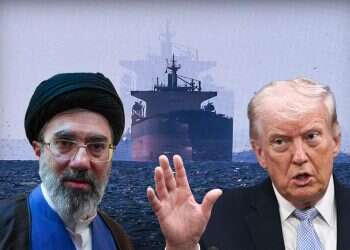
"Low likelihood" is how Western diplomats and political officials from the Middle East are describing the chances of reaching a full agreement between Iran and the US to end the war.
Efforts by supporters of the agreement in the administration to calm matters and paper over the gaps are running into growing difficulties, partly because of the harsh statements against the US by leaders in Iran during the week of mourning for Ali Khamenei, the eliminated former Supreme Leader, and the calls to take revenge on Trump and his supporters, whom Iran holds responsible for his death.
Moreover, the faltering relationship between the sides has been compounded by the humiliation of US envoys Witkoff and Kushner, who waited in vain for the arrival of Foreign Minister Abbas Araghchi. Israel Hayom reported that senior Revolutionary Guards commanders prevented Araghchi from leaving for the talks with the American envoys, who waited in vain in Doha, the capital of Qatar.

According to the political officials, a kind of status quo in recent days is what has enabled the continued passage of ships and tankers through the Strait of Hormuz, despite the opposition of the Islamic Revolutionary Guard Corps.
Attacks by Guards personnel on vessels and on Bahrain and Kuwait have almost completely stopped, and many tankers are leaving the strait via the route closer to Oman. "Today" learned from these officials that what led to the Guards' consent was the particularly large share of Iranian ships and tankers crossing the strait, which generate revenue of about half a billion dollars a day.
In addition, imports to Iran have resumed, mainly food and medicine, but also industrial equipment intended to repair damage from the war. The officials note that the lifting of the extensive US restrictions on the oil industry is being used by Iran to import goods for other industrial sectors as well, including the military industry.
60% of Hormuz traffic linked to Iran
As of recent days, the number of ships passing through the Strait of Hormuz stands at between 40 and 50 vessels a day, compared with the prewar period, when more than 100 ships crossed the strait daily. Of the vessels now crossing the strait, close to 60% are ships linked to Iran.
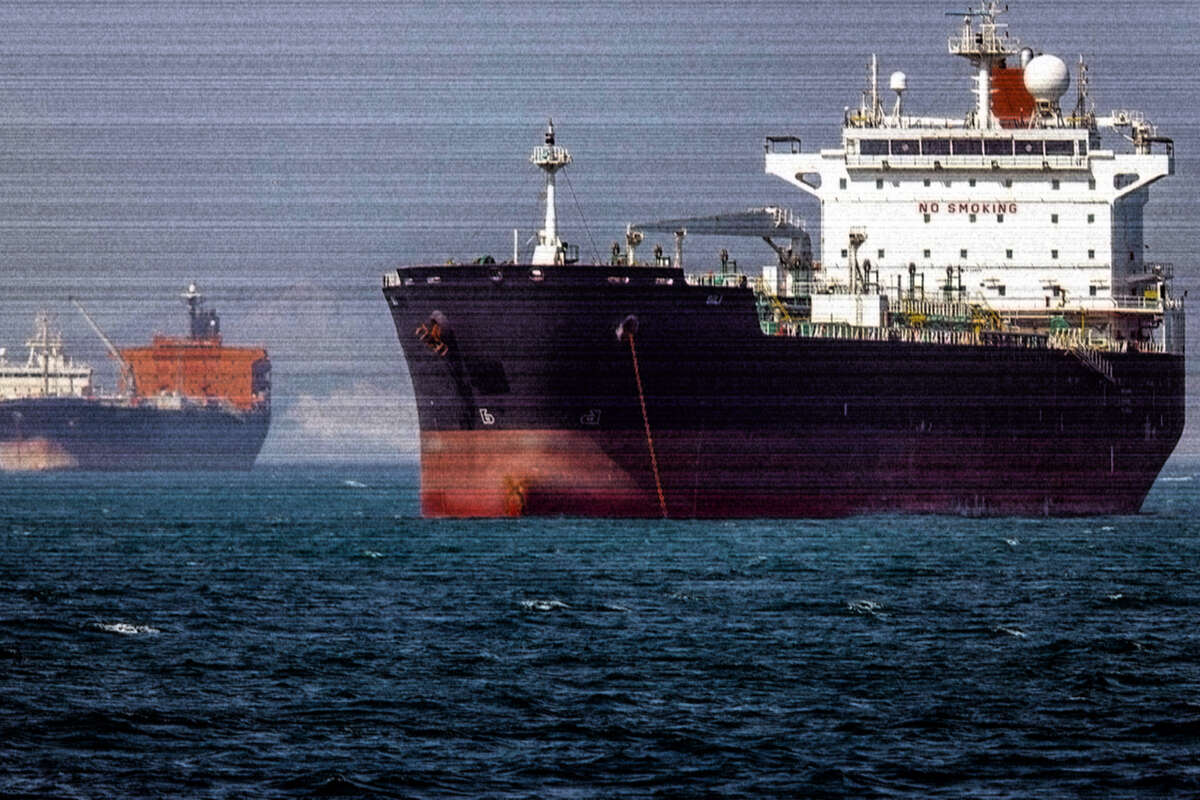
Many international shipping companies are still refraining from sending oil tankers and container ships to the region because of extreme insurance risks and concerns over attacks. However, vessel-tracking organizations are reporting that on Sunday and Monday, at least eight international tankers carrying oil and gas from the Gulf to the Far East, which had been delayed because of the threats, were able to resume sailing and leave the strait for their destinations.
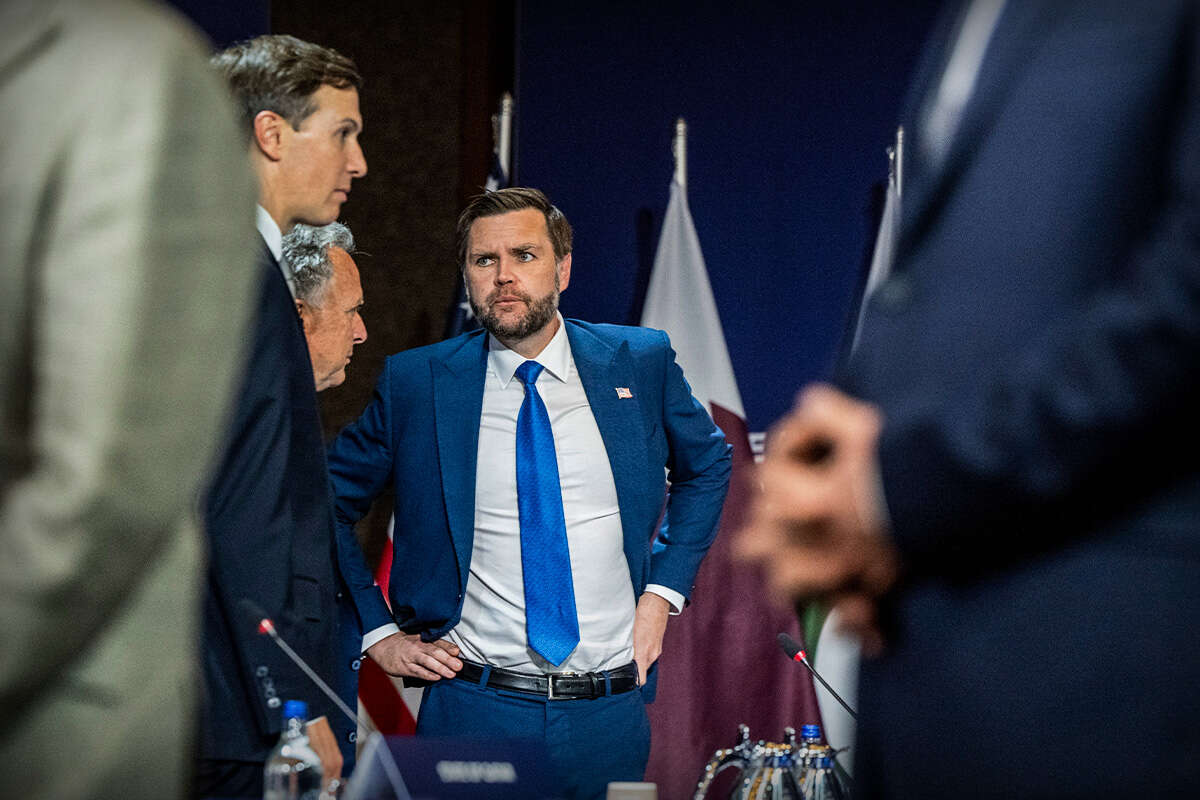
Back to the negotiations. According to Iranian and Arab reports, the talks are expected to resume in Pakistan on July 11. They come after a tense round of technical discussions held in Doha, the capital of Qatar, and after the much-discussed humiliation of the two American envoys.
The next round of talks is expected to focus on the core issues of the ongoing conflict: lifting economic sanctions on Tehran, unfreezing Iranian assets abroad and establishing tight oversight of Iran's nuclear program. Despite reports from the mediators of some progress in the latest Doha talks, the contacts remain fragile and are accompanied by deep suspicion.
Broader military and strategic tensions are hovering over the negotiations, as Iran sets additional regional demands, including an end to Israel's military confrontation in southern Lebanon, making it harder to formulate a comprehensive permanent agreement.
The Israeli-Lebanese agreement signed in Washington contradicts the Iranian-American memorandum of understanding, and next week talks between the Israeli and Lebanese teams are also expected to resume in order to advance a trial deployment of Lebanese Army units in place of IDF units in two areas of southern Lebanon.
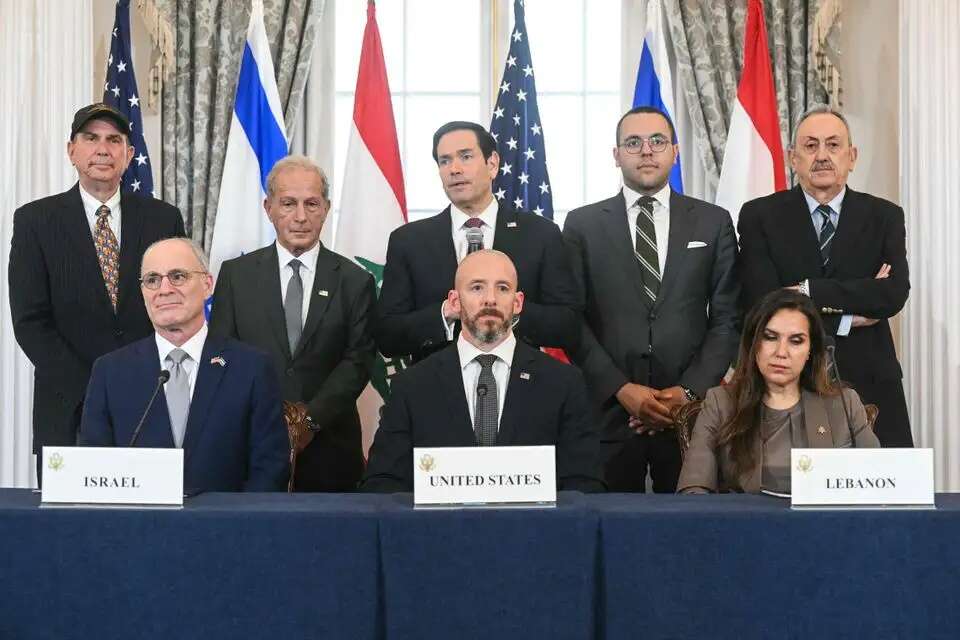
Iran has protested the agreement to the Americans, but at least for now, the administration in Washington is backing the move and trying to advance it.
The expected scenarios include further Iranian foot-dragging, both because of the many disagreements over the core issues and in order to exert more pressure on the Americans to compromise. According to the political officials, that pressure is bearing fruit: The Americans are prepared to make further concessions on the issue of unfreezing Iranian funds in exchange for Iran dropping its demand to collect a fee from ships passing through Hormuz.
In the Gulf region, all the countries in the area, including Qatar, which is close to Iran, oppose the collection of such a fee. That opposition has been conveyed to the Americans. Iran is using it to extract concessions in other areas, and with considerable success.