As matters stand at the end of this week, it remains unclear whether efforts to revive nuclear negotiations between the US and Iran will succeed. Opposition within the White House has reportedly grown in response to the conduct of Iran's leadership.
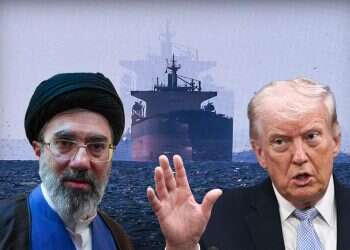
The US has effectively presented Iran with an ultimatum, demanding a public declaration followed by the immediate and unrestricted reopening of the Strait of Hormuz.
According to two diplomatic sources, Iran was also informed that if the strait is not reopened and Tehran does not publicly commit to doing so, it will instead be completely closed, including to ships and oil tankers traveling to and from Iran. The US has already reimposed sanctions on Iran's oil industry, and those measures are expected to return to full force by the middle of next week.

In addition, the US Treasury Department, led by Treasury Secretary Scott Bessent, who opposed the memorandum of understanding with Iran, has imposed further sanctions on individuals and companies involved in Iran's oil trade and financial sector.
According to a US official, the primary focus of this economic campaign will be senior commanders in the Islamic Revolutionary Guard Corps, some of whom reportedly hold tens of millions of dollars in private accounts.
"This involves both the institutionalized corruption of Revolutionary Guard leaders enriching themselves at the expense of the Iranian public, and the use of oil revenues to finance Iran's international terrorist network," the official said.
Trump seeks to lower tensions with Ankara
According to a source familiar with the conversation, the phone call between Trump and Prime Minister Benjamin Netanyahu following the NATO summit focused on three main issues.
The first and most significant was the situation regarding Iran. Trump said mediators were working to bring an end to attacks on tankers and ships in the Strait of Hormuz. If the attacks stop, the US will also halt its strikes, and there is a possibility that negotiations could resume. However, he said the chances of such talks ending in an agreement were not high.
According to the source, Netanyahu made clear that Israel, as before, was aligned with the US on the issue, while expressing the position that the ultimate objective, whether through an agreement or by other means, was to completely prevent Iran from obtaining nuclear weapons and to remove its enriched uranium. Israel is prepared for a resumption of strikes against Iran if necessary, but will act in full coordination with the US.
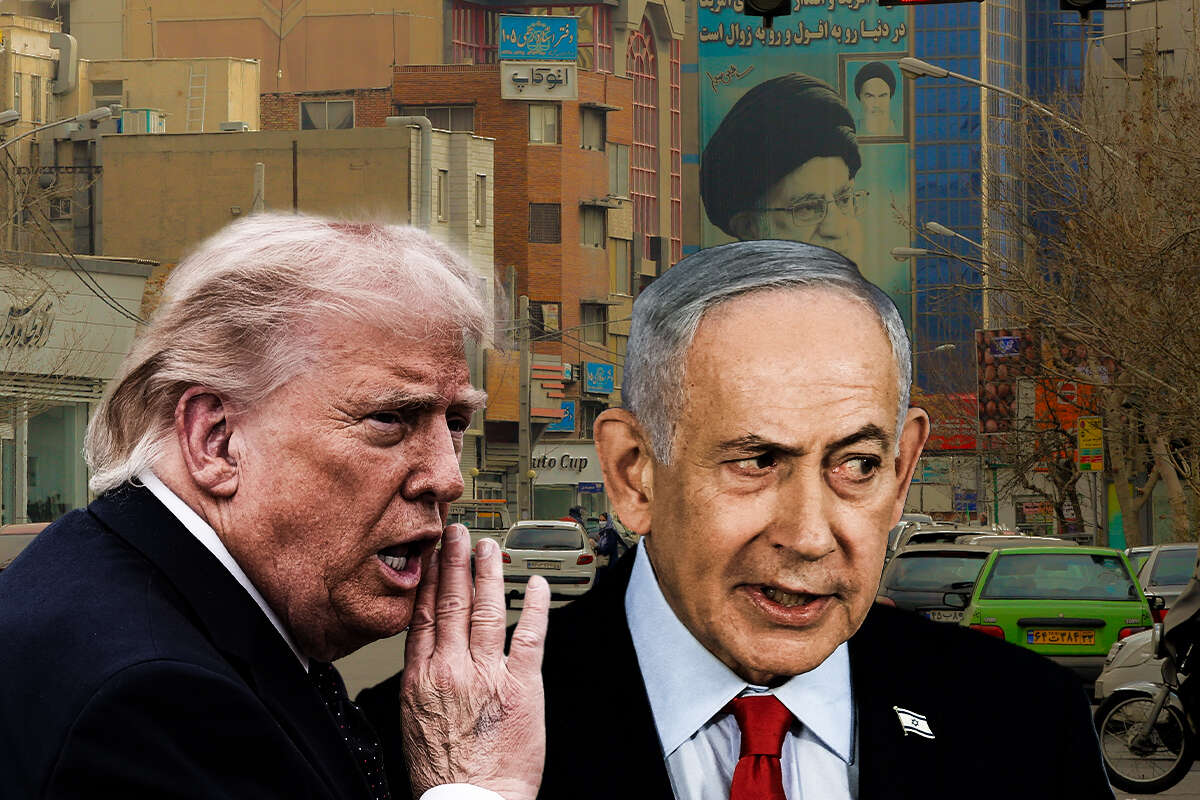
Trump reiterated the importance of complete coordination on Iran and regional matters in general. At this stage, that means Israel would not carry out military action against Iran without US approval.
Lebanon was the second major subject of the call. The two leaders agreed that efforts should focus on advancing the understandings reached so far. These include a trial arrangement under which Israel Defense Forces troops would be replaced by Lebanese Armed Forces personnel at two sites in southern Lebanon, as well as accelerating negotiations, which are expected to resume in Rome in the middle of next week.
The third issue was Turkey. Trump said he had spoken with Turkish President Recep Tayyip Erdogan about the need to reduce the escalation in rhetoric.
Possibly as a result of that conversation, Turkish Foreign Minister Hakan Fidan issued a statement on Saturday that was considerably less confrontational toward Israel, directing his criticism instead at Netanyahu and his government.
The two leaders also discussed the possible sale of F-35 fighter jets to Turkey. Trump reiterated the longstanding US position that Israel's qualitative military edge would be preserved under any circumstances.