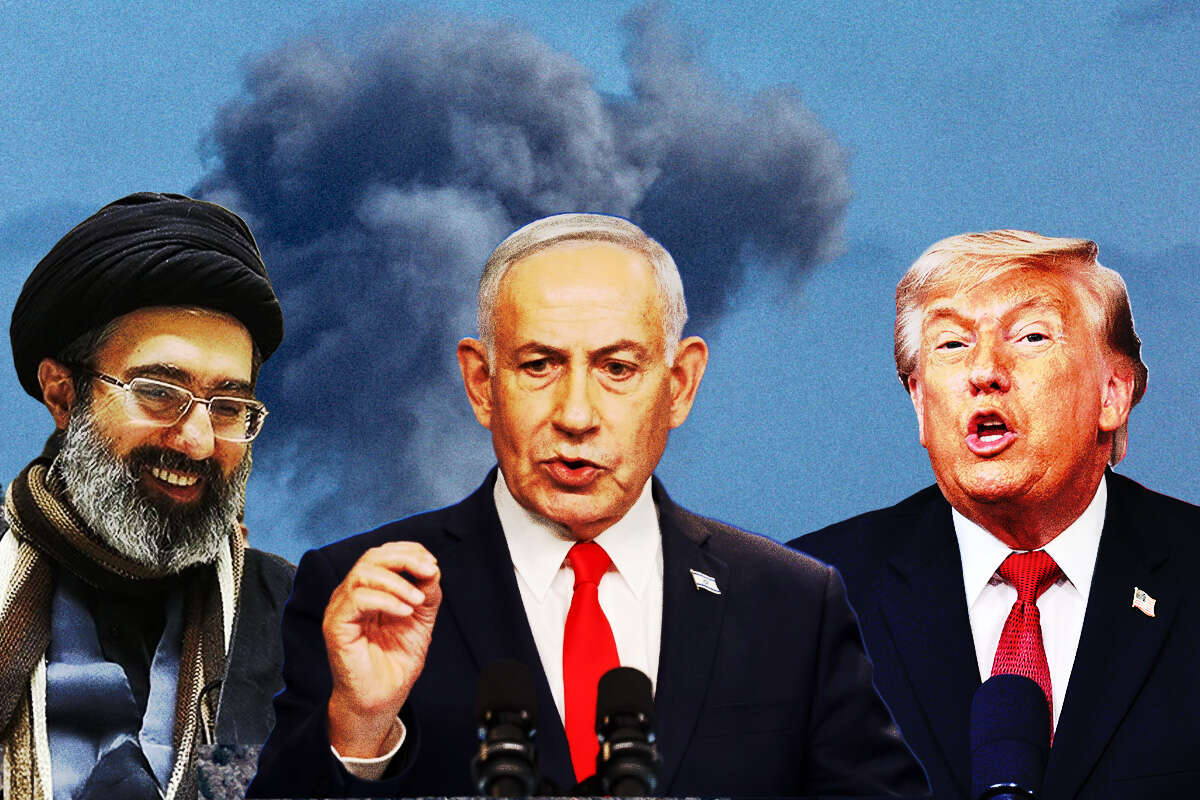
Iran is once again playing for time in the negotiations, as expected. In talks held this week, both in Doha and through messages relayed between the sides, the Iranians refused to renew broad negotiations next week on a final agreement to end the war. According to regional diplomatic officials, as of now, the talks are set to resume only on July 18, in about two and a half weeks, and even then Iran is talking about "technical" levels dealing with the nuclear issue and the economic issues related to the release of its frozen assets.
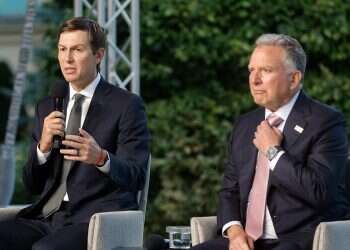
US envoys Steve Witkoff and Jared Kushner raised the demand to begin high-level talks in Europe or Islamabad in order to advance the final agreement. But the response they received was that Iran was busy with mourning and preparations for the funeral of Supreme Leader Ali Khamenei, who was eliminated by Israel at the start of the war.
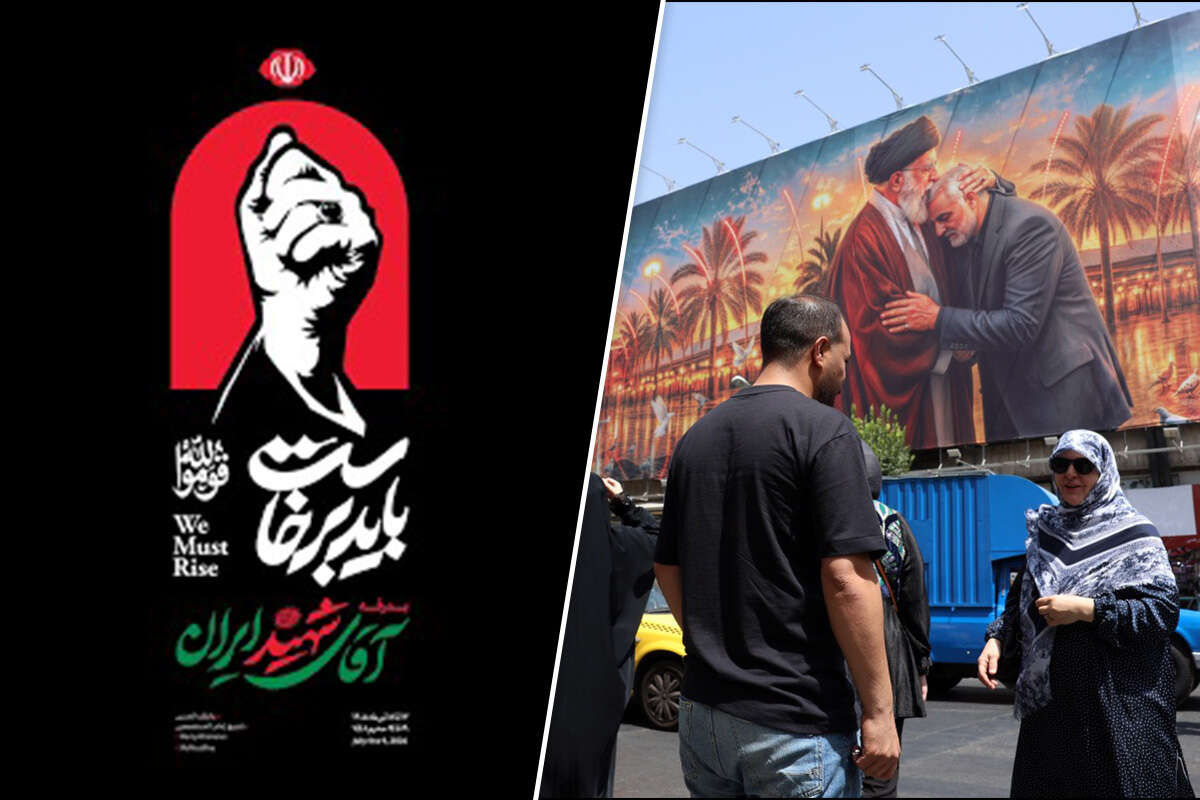
This Iranian refusal joins a series of acts of contempt and humiliation by Iran toward the Americans. The most blatant move was the failure to hold a meeting between the US envoys and Foreign Minister Abbas Araghchi, which was supposed to take place in Doha in the middle of the week. Witkoff and Kushner arrived especially for the meeting, which President Donald Trump said had been convened at Iran's request. But Araghchi then informed them, as reported by Israel Hayom, that the meeting would not take place, and warned that the Islamic Revolutionary Guard Corps sought to torpedo the negotiations. According to the sources, the IRGC leadership prevented him from attending the meeting, arguing that meetings could not be held at this stage with those responsible for killing their leader.
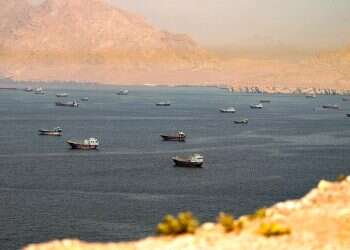
The Iranians are also furious over reports that Trump considered returning to high-intensity strikes, which would bring back full-scale war and once again close the Strait of Hormuz. On the other hand, criticism is expanding within the administration over the failure to implement the memorandum of understanding, and over the fact that Iran is exploiting the lifting of sanctions and the opening of the naval blockade to sell oil and petroleum products on a scale that is bringing billions of dollars into the IRGC's coffers. The current pace is more than half a billion dollars a day.
The postponement of the talks means that the chances of reaching an agreement within 60 days are very slim, and a demand to extend the deadline is likely to be raised. In the meantime, Iran is rebuilding its military strength and the financial reserves required to wage war. The prevailing view there, as reflected across the full spectrum of Iranian media outlets, is that the war will resume sooner or later.