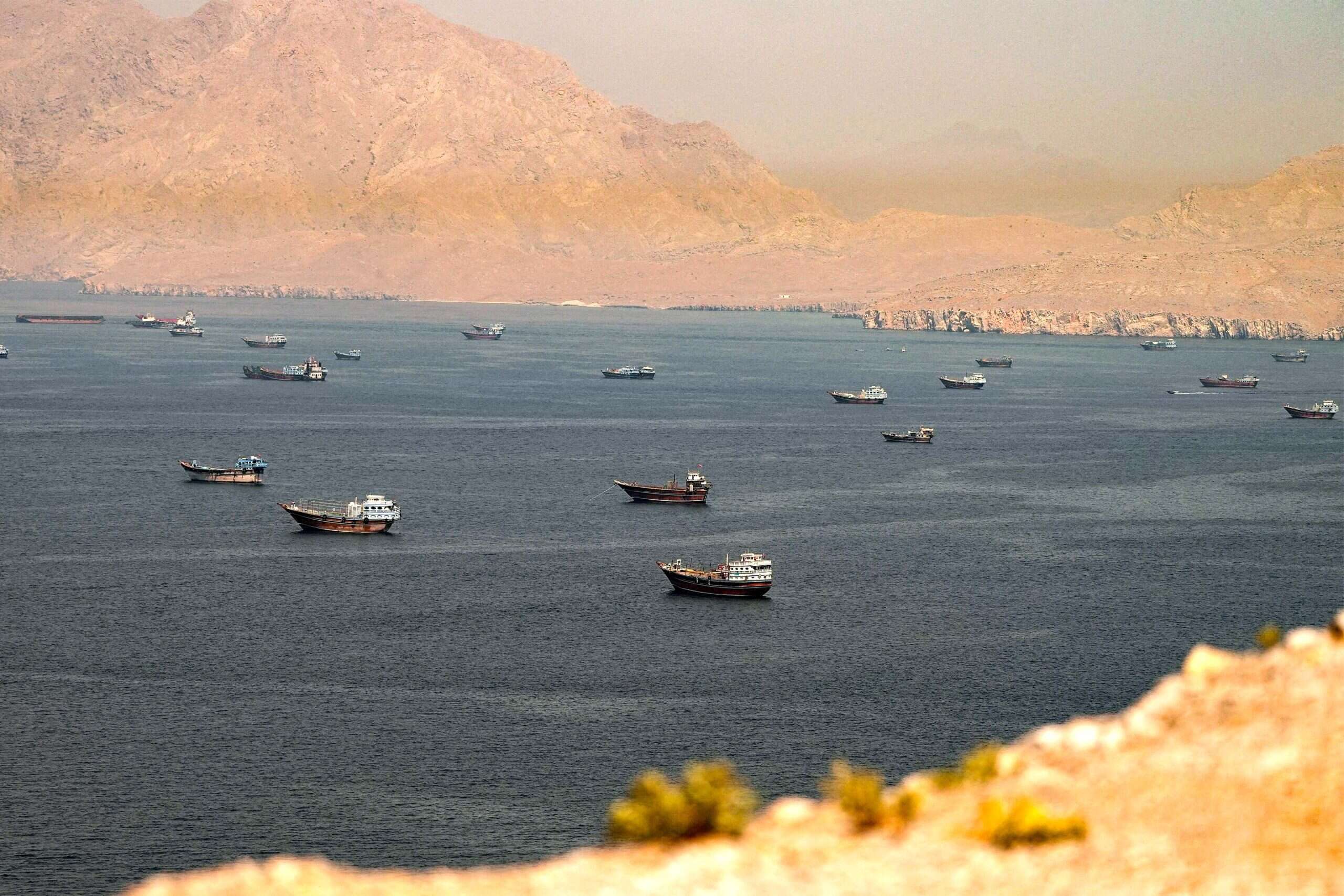
Contacts between Iran and the United States, alongside talks between Oman and Iran, are not developing into an agreement, or even a memorandum of understanding, at least at this stage, three diplomatic sources involved in the negotiations tell Israel Hayom.
The United States has received the principles of a draft agreement between Oman and Iran, as well as the conditions Iran is demanding in return for stopping its attacks on tankers and other vessels passing through the Strait of Hormuz.
According to the sources, the Oman-Iran agreement does not meet the fundamental demand of the US and Gulf states for completely unrestricted passage through the strait. The restrictions under discussion are also contrary to international law.

Gaps between Iran's demands
In addition, the Iranian demands conveyed through intermediaries differ from those presented directly in talks between Iranian Foreign Minister Abbas Araghchi and US special envoy Steve Witkoff. The written demands are more stringent and raise the price Iran is seeking.
They include the release of a significant portion of frozen Iranian funds in the initial stages, the withdrawal of the US Navy and guarantees, backed by international resolutions, and that fighting will not resume. They make no reference to the nuclear issue or to other matters raised by the United States.
By contrast, in the direct contacts, Iran's political leadership is insisting on the terms of the previous memorandum of understanding: the release of funds would begin alongside the full opening of the strait for 60 days of negotiations, with all issues on the table.
Given these demands and the discrepancies between the positions being presented by the Iranians, an agreement does not appear likely in the near future, the three diplomatic sources added.
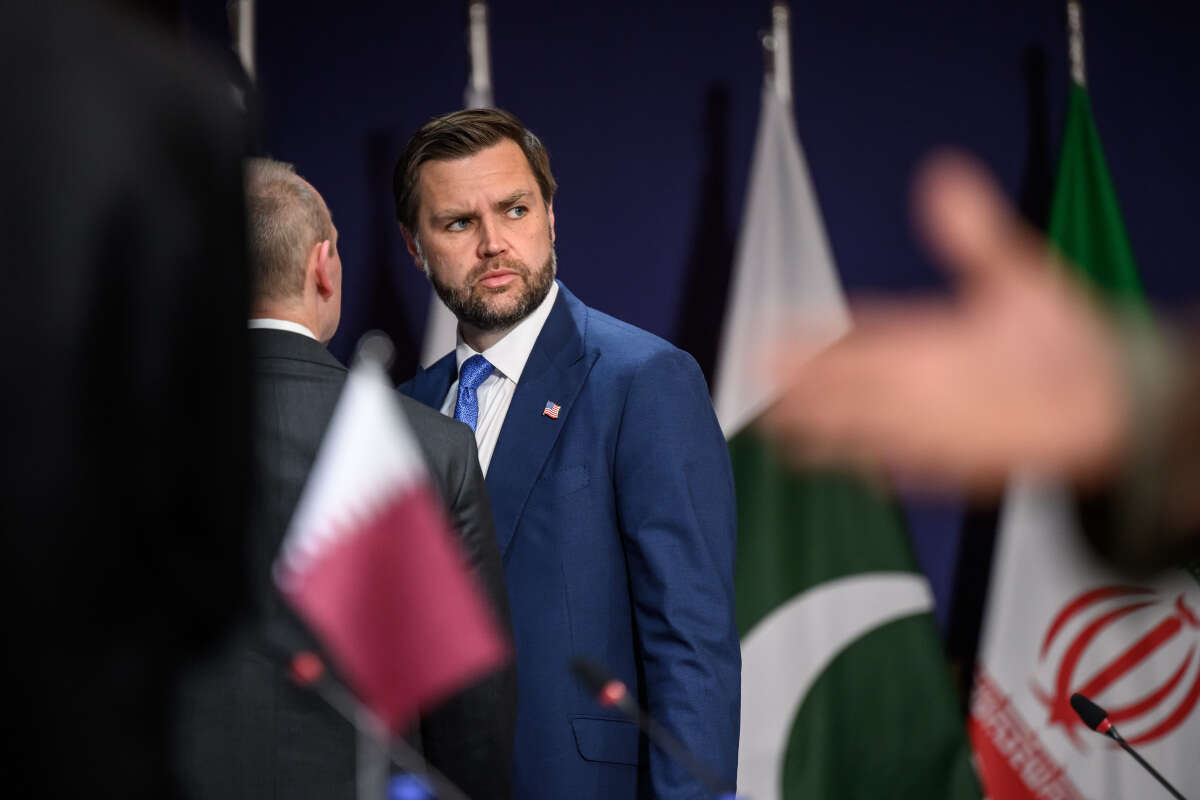
Meanwhile, US Vice President JD Vance and Treasury Secretary Scott Bessent have confirmed two reports published by Israel Hayom in recent days. Vance, who is overseeing the negotiations with Iran, confirmed that Tehran had dropped, at least for the duration of the negotiations, its original demand to collect transit fees or other charges in the Strait of Hormuz.
Plan to bypass the Strait of Hormuz
Bessent confirmed that talks were underway on constructing pipelines to carry oil and gas from the Gulf to the Mediterranean, bypassing the Strait of Hormuz. "The strait is never going back to the way it was because the Iranians have used, or tried to use it, as a choke point," he said.
"What we are going to see over the next two years, the strait is going to become irrelevant. It is going to become just another body of water. And I would say that more than 50 or 70% of the energy that moves through the strait now is going to go through underground pipelines," the US treasury secretary added.
Israel Hayom previously revealed that Israel was holding talks with several Gulf states on laying such pipelines, which would run from the Gulf to the Mediterranean through Israel. Several other possible pipeline routes are also being considered, most of them bypassing Israel. One would run north through Iraq toward Syria. The Iraqi government has announced agreements with US companies, including Chevron, to develop such a pipeline.
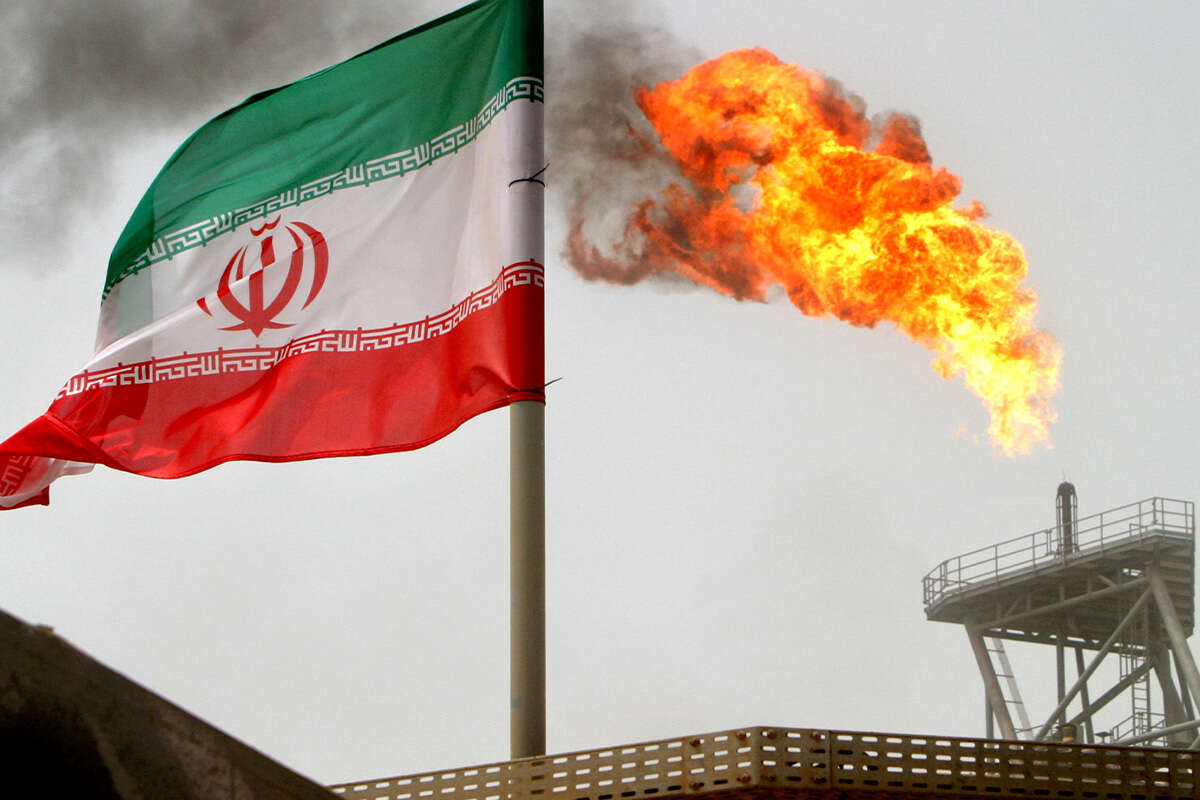
Before the establishment of the State of Israel in 1948, an oil pipeline ran from Iraq to Haifa. It operated for 14 years until service was halted after Israel's establishment.
Meanwhile, frustration is mounting in Iran over frequent power outages, rationing of fuel for transportation and disruptions to the water supply. Criticism is also growing within government circles. Reports published by various Iranian government ministries warn that if the current situation continues, most government operations could soon be paralyzed.
One notable call for an investigation appeared in an Iranian newspaper associated with the reformist camp, which said authorities should determine where the money from oil sales went during the period when the strait was open following the memorandum of understanding. According to estimates, Iran sold some $20 billion worth of oil, yet government ministries and the official state treasury received almost none of the proceeds.