Talks between the United States and Iran, along with the decision to refrain from an attack for the time being, do not indicate that an agreement is imminent. In fact, the approach currently favored in Washington and most gulf capitals is to weaken the Iranian regime through economic means until it reaches a breaking point that could bring about its downfall or neutralize the power of the Islamic Revolutionary Guard Corps.
That assessment was given to Israel Hayom by a senior regional diplomatic official with extensive knowledge of ungoing developments in the region.
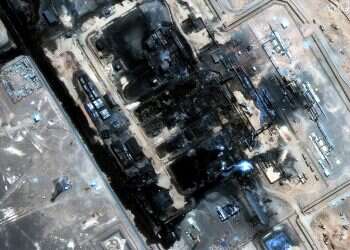
According to the official, who spoke from a capital near Israel, all sides are currently playing for time. The Iranians expect further US concessions because of the partial obstruction of the Strait of Hormuz. The Americans, meanwhile, are trying to prevent oil prices from rising and avoid excessive escalation before the November midterm elections. The Gulf states want to avert attacks on their strategic facilities, at least until a path has been mapped out for removing the Iranian threat.
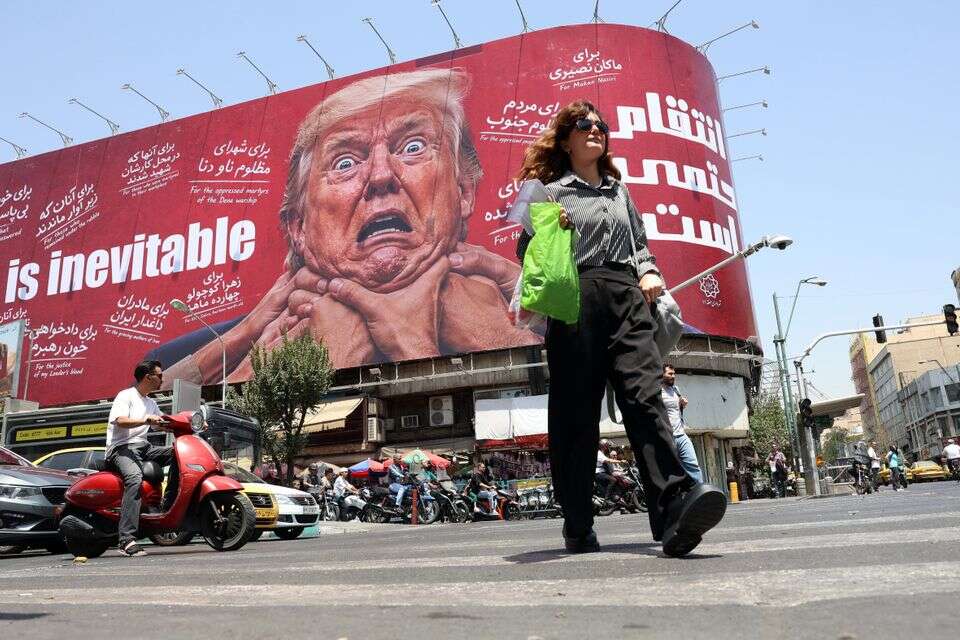
"The penny has dropped for every leader in the region, even in Doha," the official claims. "The current Iranian regime cannot be allowed to remain in place while retaining a threatening military force. The only disagreement is over how to get there, and on what timetable."
Turning to Israel, the official said US President Donald Trump had for the moment kept Prime Minister Benjamin Netanyahu "behind the scenes." That did not mean Israel was inactive, he said, adding that it was providing logistical and intelligence support. At the decisive stage, he added, Israel could potentially join the campaign with direct military force if necessary.
Talks continue amid denials as economic blockade intensifies
Despite denials from Islamic Revolutionary Guard Corps officials, contacts between the United States and Iran are continuing, both through intermediaries such as Pakistan and through direct communication between Iranian Foreign Minister Abbas Araghchi and Trump's special envoy, Steve Witkoff.
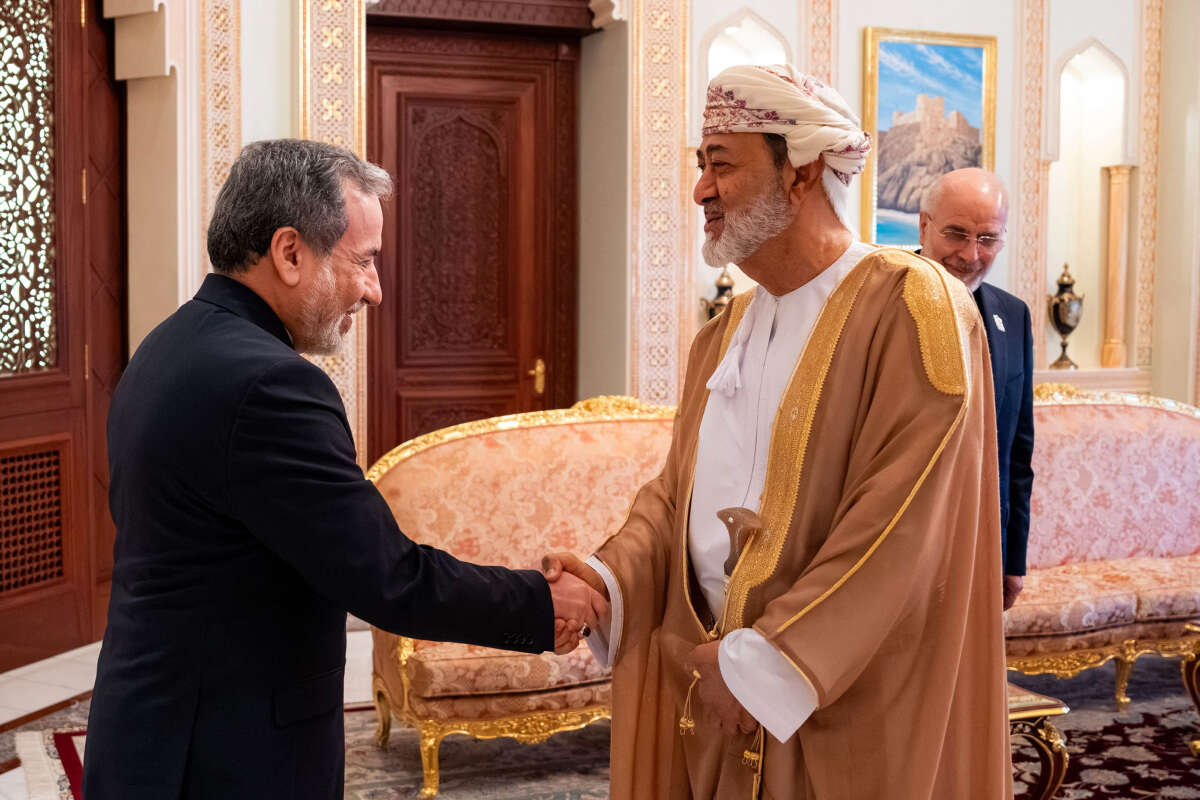
Diplomatic sources said major differences were preventing a direct meeting in the coming days. Pakistan, however, has invited Araghchi and Iranian Parliament Speaker Mohammad Bagher Ghalibaf to Islamabad to discuss the matter. Araghchi is also working with Oman in an effort to reach a joint arrangement for supervising tanker traffic through the Strait of Hormuz.
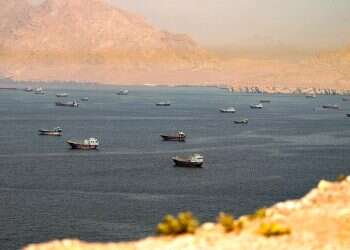
Despite the uncertainty, dozens of vessels cross the strait each day, carrying an average of 4 million barrels of oil. Although that volume is substantially lower than before the war, it indicates that Iran is struggling to carry out its threats to close the waterway.
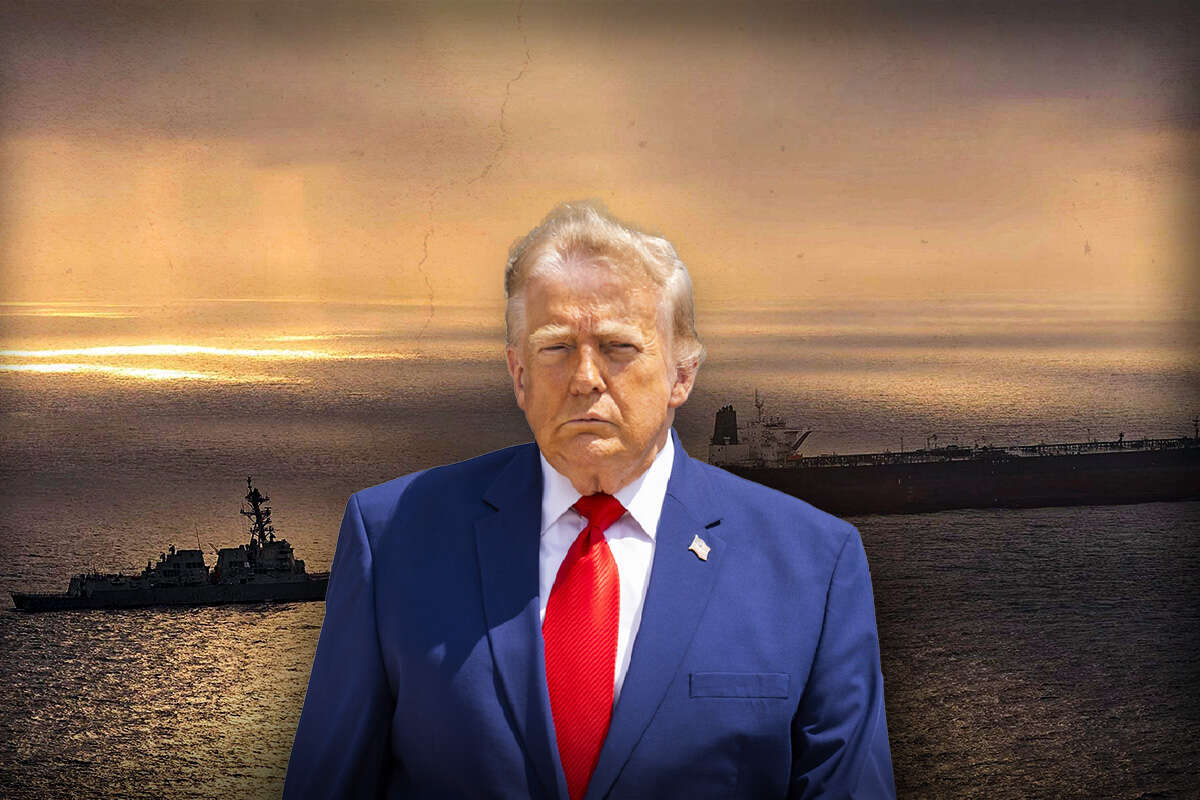
The US Navy, for its part, continues to enforce a stringent blockade of Iran itself. Apart from one or two tankers a day, maritime traffic to and from Iranian ports has almost ground to a halt.
Saudi Arabia, concerned about attacks by the Iranian-backed Houthis in the Bab el-Mandeb Strait, has even been forced to reroute its tankers around Africa.
A "survival economy" and Zarif's warning
Inside Iran, the maritime blockade is taking a dramatic economic toll. Official annual inflation has reached nearly 90%, although estimates suggest that the real figure is considerably higher, particularly for essential goods.
Severe shortages of natural gas for power plants and fuel for transportation are worsening. The authorities have been forced to impose power outages and ration fuel. Salaries and pensions have also been cut, fueling growing public anger. The Americans are hoping that this resentment will help weaken the regime.
Former Iranian Foreign Minister Mohammad Javad Zarif has warned of such a collapse. In a recently published article, Zarif cautioned that unless an agreement was reached within two months, domestic unrest in Iran would reach a level that posed a genuine danger, while relations with strategic partners such as China and Russia would be devastated.
"Contrary to expectations, Russia and China have not become Iran's allies, nor have they provided meaningful assistance," he wrote. Zarif acknowledged that China had already found alternatives to Iranian oil. Even after a memorandum of understanding was signed to reopen the strait, he said, Beijing preferred to rely on short-term contracts.
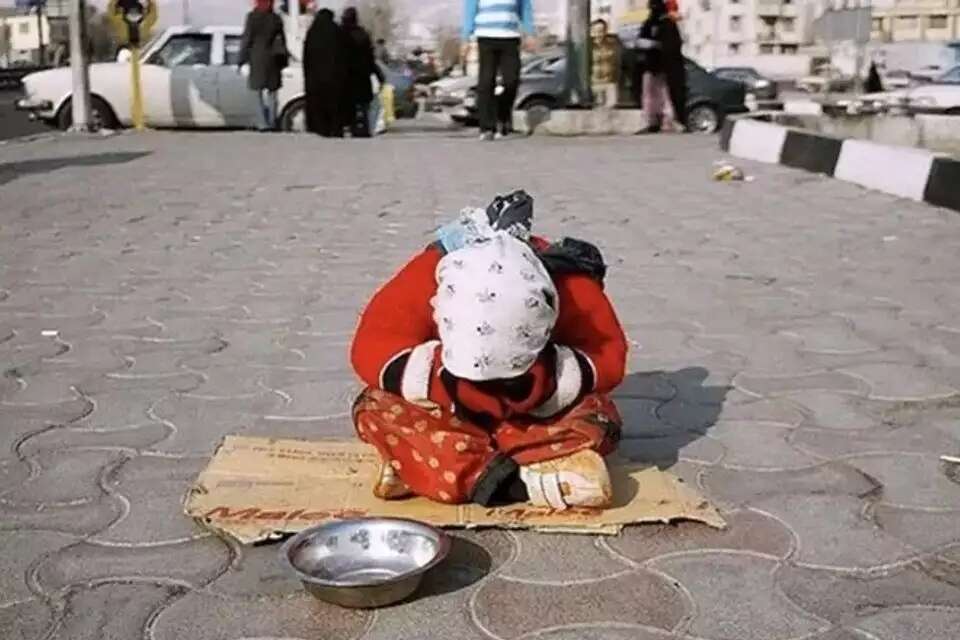
Another sign of the depth of the crisis is what Iranian media have termed a "survival economy." Households are selling personal possessions, ranging from clothing to empty perfume bottles, and are even renting out basic tools and computers. The informal lending market is also surging, while the number of business bankruptcies has risen by hundreds of percentage points since the beginning of the year.
Should Washington persist with this policy and Iran continue to reject Trump's demands, further escalation appears to be only a matter of time, although the Americans will try to contain it at least until the November midterm elections.