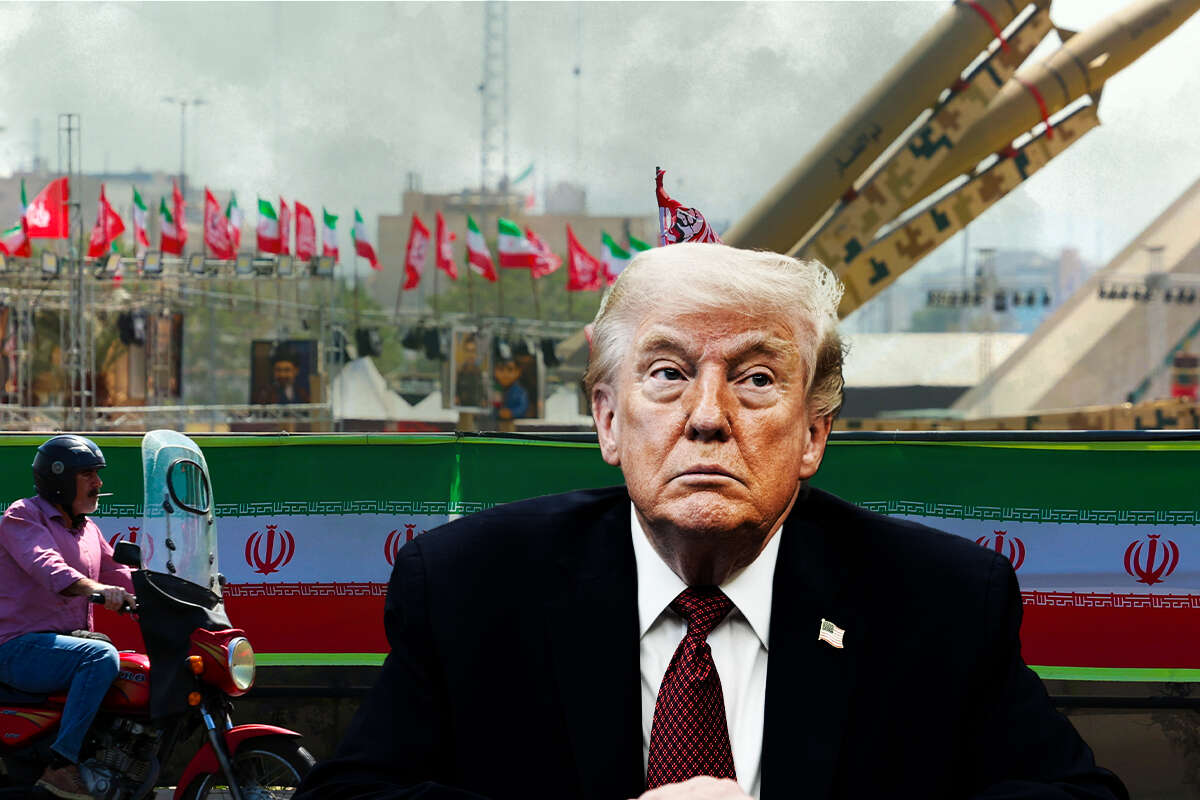
President Donald Trump's reversal over the past 24 hours reflects the difficult dilemma he has faced for several weeks. Once again, he chose to postpone military action and give an agreement with Iran a chance, despite a clear understanding that the Iranians are unlikely to honor it.
The dilemma is political. The US congressional midterm elections are approaching, and Iran has considerable ability to influence their outcome. The Republican majority in the Senate is fragile, while the situation in the House of Representatives, where every seat is up for election, is even more precarious.
Trump needs a cooperative Congress during the final two years of his term, both to complete sweeping domestic policy reforms and to finish the war against Iran by achieving his strategic objective: dramatically weakening or even toppling the regime.
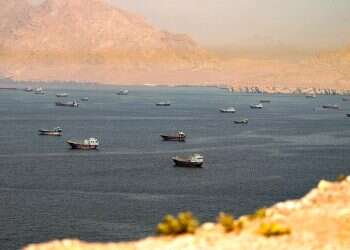
Commanders of Iran's Islamic Revolutionary Guard Corps understand this. They are applying pressure in both the Strait of Hormuz and the Bab el-Mandeb Strait in an effort to secure long-term gains that would entrench the regime and prevent precisely the strategic achievement Trump is seeking.
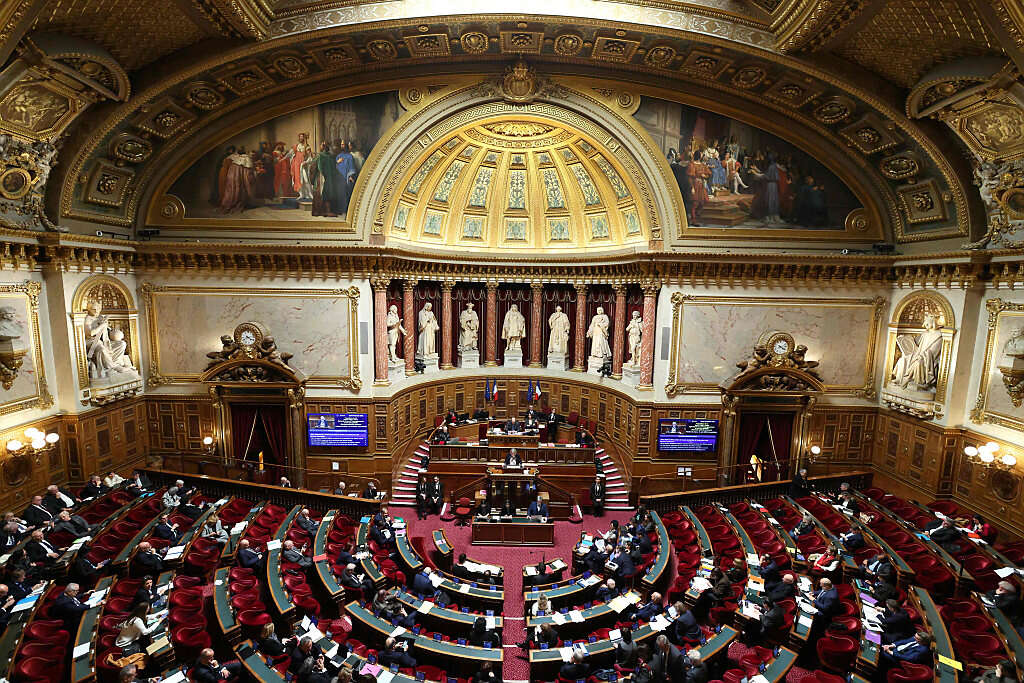
Fears of an Iranian counterattack
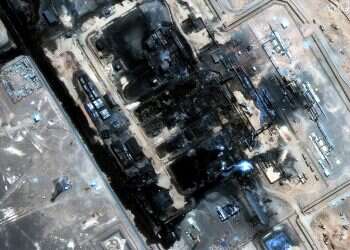
The second Iranian threat is even more serious: setting fire to Gulf oil wells and severely damaging refineries and other facilities, a doomsday scenario that Tehran conveyed to Trump through Qatar.
As previously reported by Israel Hayom, the decision to stop the US attack resulted not only from an appeal by Saudi Crown Prince Mohammed bin Salman, but primarily from Qatari intervention. Doha delivered an assurance that Iran would, this time, honor its commitment under the memorandum of understanding to reopen the Strait of Hormuz.
Iranian Foreign Minister Abbas Araghchi conveyed that assurance to the United States both through the Qataris and in direct messages to US envoys Steve Witkoff and Jared Kushner.
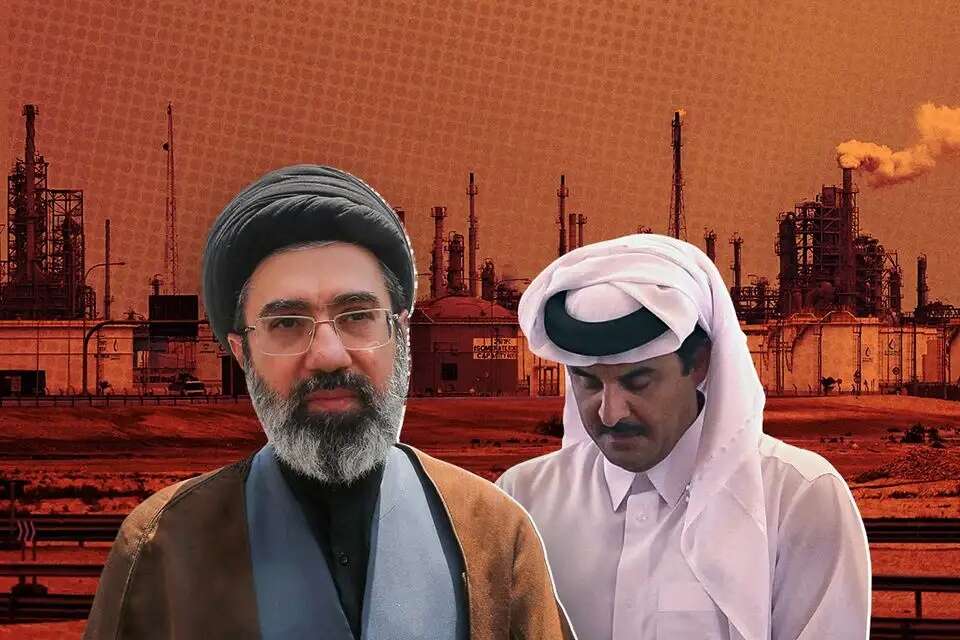
During weekend telephone calls with the White House, Qatari Emir Sheikh Tamim bin Hamad Al Thani and Qatari Prime Minister Sheikh Mohammed bin Abdulrahman Al Thani warned that a large-scale US attack, particularly one targeting energy facilities, would trigger an Iranian counterattack. Such an attack, they said, would paralyze and severely damage the Gulf's entire energy industry and send oil prices soaring.
The Americans demanded that any agreement also cover the Bab el-Mandeb Strait and include a direct commitment from commanders of the Islamic Revolutionary Guard Corps. It remains unclear whether such a commitment was obtained. Gulf diplomatic sources said the US negotiating team involved in the contacts included Vice President JD Vance and envoys Witkoff and Kushner. Trump himself also participated in some of the discussions.
Several other Gulf states, however, oppose that approach. According to diplomatic sources in the region, United Arab Emirates President Sheikh Mohamed bin Zayed Al Nahyan told Trump and Kushner that the arrangement was merely a temporary solution that Iran might not honor. Tankers would remain stranded, he said, and the long-term threat would persist.
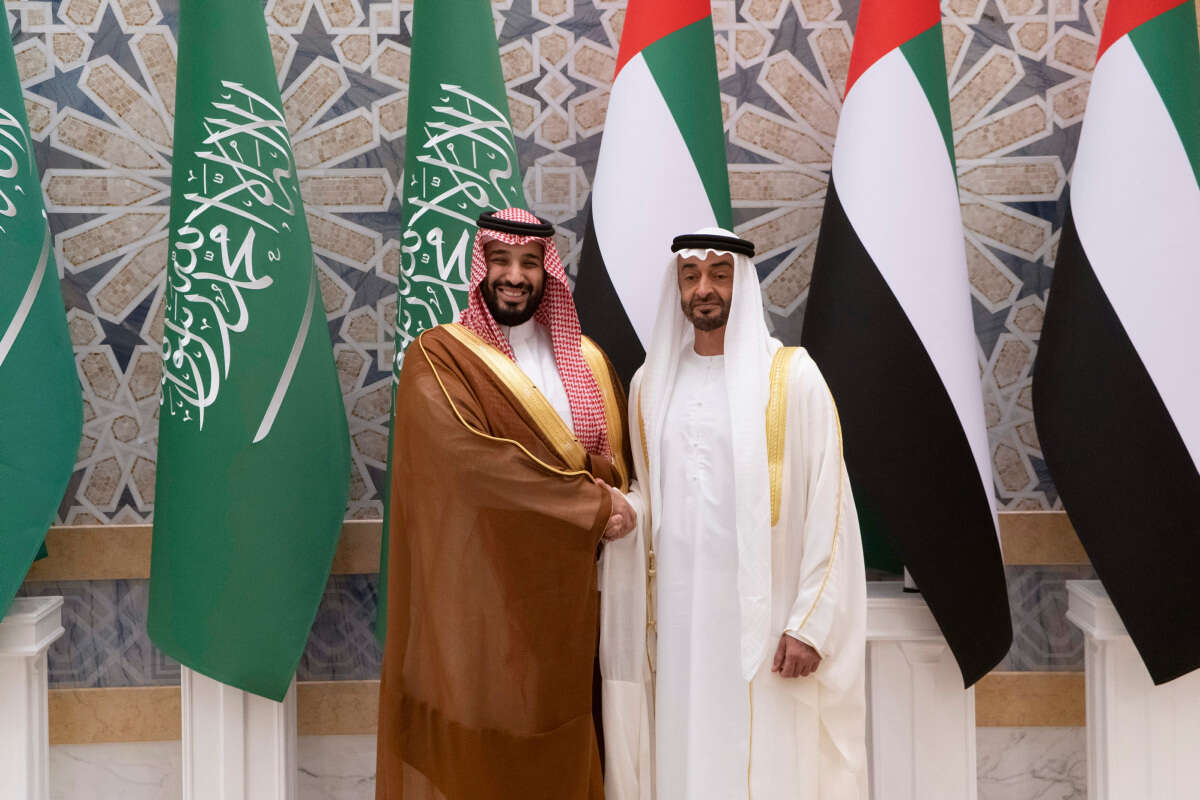
Bin Zayed's message was that a comprehensive, unequivocal and lasting solution was needed to eliminate the Iranian threat to the Strait of Hormuz. Doing so is in both the American and global interest, he argued. Unless the problem is resolved during the current window of opportunity, it will be far more difficult for the United States and the rest of the world to address once Iran has rebuilt its strength. The diplomatic sources also said Bahrain and Kuwait shared that position, and had delivered similar messages to the Americans.
Israel stands alongside those three Gulf states. While Jerusalem accepts the frequent changes in direction in US policy, it has made clear that the Iranian nuclear and missile threats, along with Tehran's terrorist proxy organizations, must be eliminated now, without waiting for Iran to regain its strength.
"We are not seeking an agreement at any price"
Opinions within the US administration remained divided throughout the weekend. Secretary of State Marco Rubio and Secretary of War Pete Hegseth supported a fast powerful operation, while Vance, Witkoff and Kushner favored continuing diplomatic efforts.
A US official told Israel Hayom that the Vance team's position was not to reach an agreement at any price, but to create the conditions Trump needed to achieve the war's objectives while minimizing the political and economic damage. According to the official, this meant seeking arrangements that would reduce friction until after the midterm elections in early November, prevent increases in gasoline prices and avoid American military casualties. The administration could then operate with greater freedom.
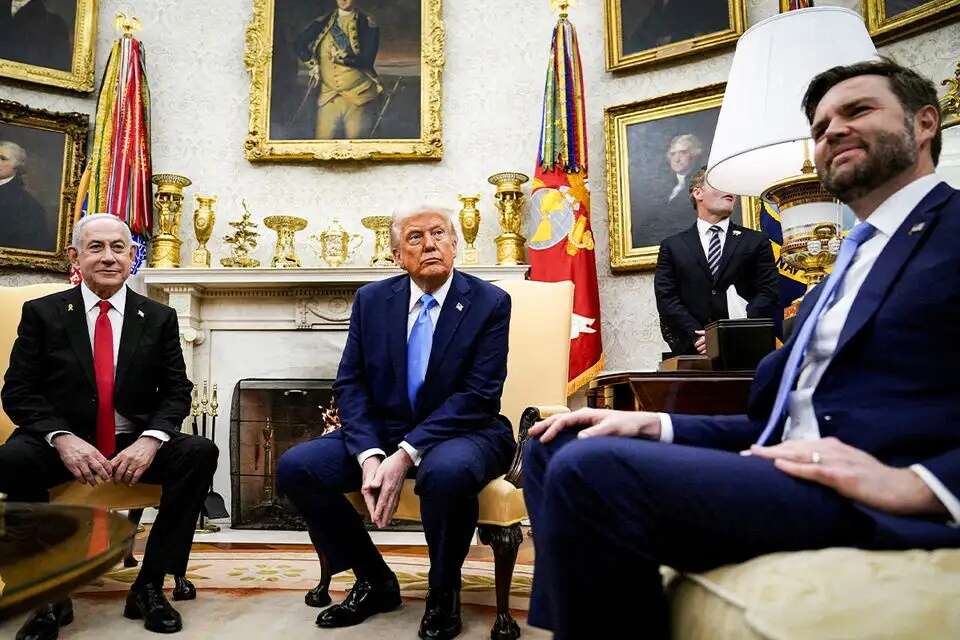
The opposing view is that negotiations with Iran are giving Tehran the ability to influence the elections, and that time is running out to launch a powerful military operation capable of fundamentally changing the situation.
In an interview with Fox News, Rubio said the Iranian regime had to change its behavior and stop exporting its revolution, stressing that Tehran had never before confronted an active president like Donald Trump.
Rubio said US military pressure was the reason Iran was now willing to discuss disarmament and reopening the Strait of Hormuz after years of violating agreements without consequences. He also said Iran had deliberately built an enormous stockpile of missiles and drones to deter attacks on its nuclear facilities and prevent them from being targeted.
The window of opportunity could close
From Israel's perspective, the objectives of the war against Iran remain far from being achieved. Nearly all Israeli security and intelligence officials are convinced that the regime will reject the American preconditions on every major issue. They therefore believe that renewed fighting is essential to achieve those objectives.
The concern is that delaying action until after the elections could erode the military gains already made, allow Iran to recover and rebuild at least some of its military capabilities, and perhaps even enable Tehran to advance its nuclear program in secret.
"Trump's dilemma could end up tying his hands rather than giving him freedom of action after the elections," a senior Israeli official warned. "There is no question that a return to intensive warfare is necessary, or that it will damage the Gulf oil industry and affect the entire world," the official said. "But the more time passes, the greater that damage will be. The concern is that an excessively long delay will close the window of opportunity we created."