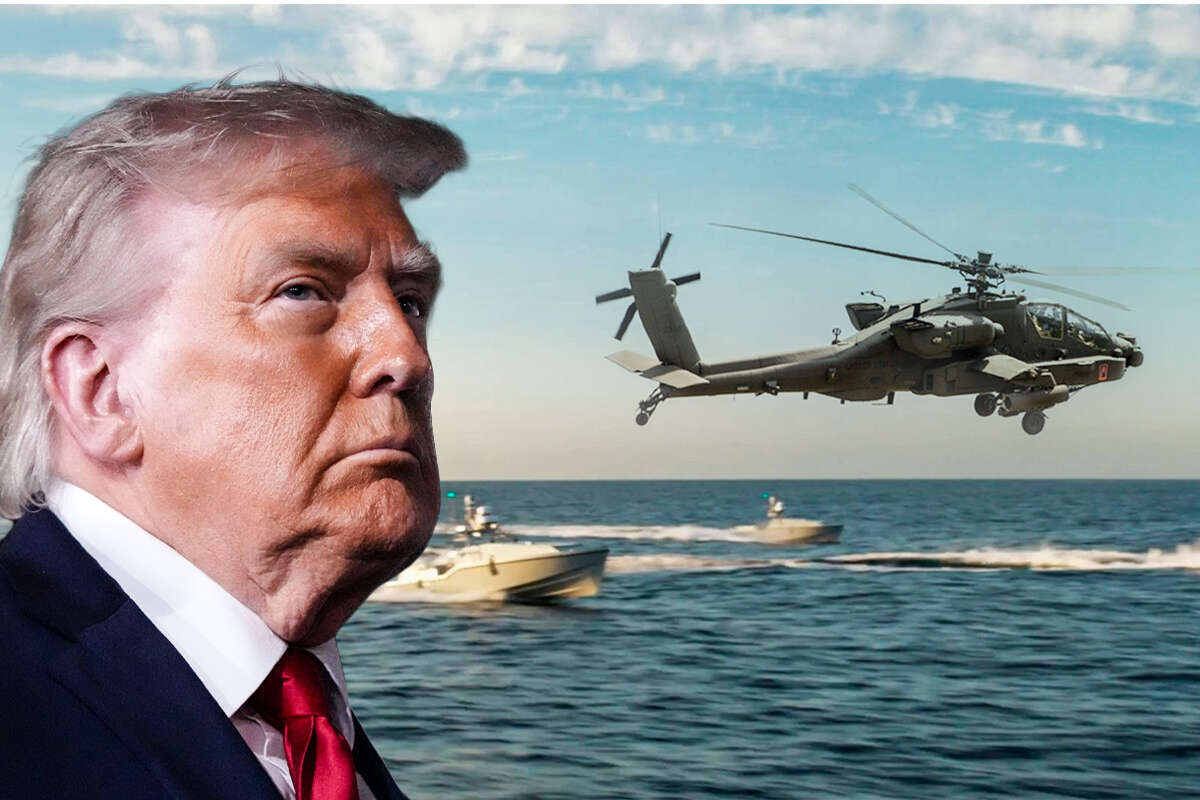
Tensions in the Persian Gulf escalated Tuesday as Iran's Islamic Revolutionary Guard Corps (IRGC) reported that two oil tankers had struck mines in the Strait of Hormuz. The incidents sent energy prices higher, while diplomatic efforts continued in Tehran amid claims that Iran is deliberately dragging out negotiations with the US to undermine President Donald Trump ahead of the midterm elections.
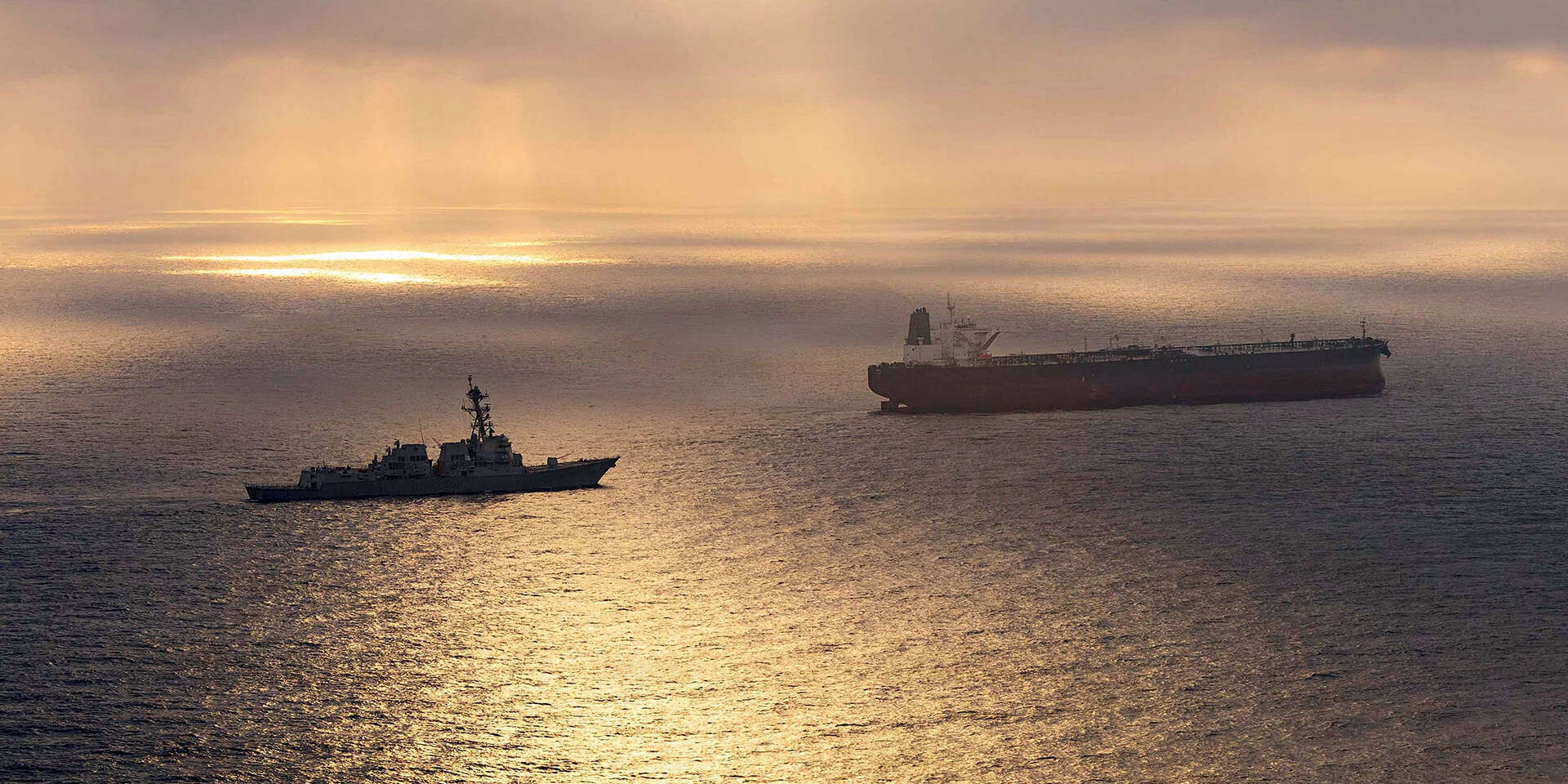
The Revolutionary Guards said two oil tankers attempting to cross the Strait of Hormuz through Omani territorial waters caught fire after striking Iranian mines. The incidents followed a series of attacks in recent days, including strikes on three other vessels and, according to the IRGC, the downing of a US drone. Shipping intelligence firm Kpler reported that at least 18 vessels had been attacked over the past two weeks. Against this backdrop, Brent crude climbed to $111.05 a barrel, while US crude oil topped $104 a barrel.
Amid the escalating security situation, Pakistan's army chief, Field Marshal Asim Munir, arrived in Tehran. Iranian Foreign Ministry spokesman Esmaeil Baghaei confirmed the visit, saying the discussions would also address the ongoing negotiations.
Sources familiar with the talks told the Qatari-owned newspaper Al-Araby Al-Jadeed that Pakistan and Qatar had presented a compromise proposal concerning the release of $6 billion in Iranian funds frozen in Qatari banks. According to the sources, the proposal had already received preliminary Iranian consent and US approval.
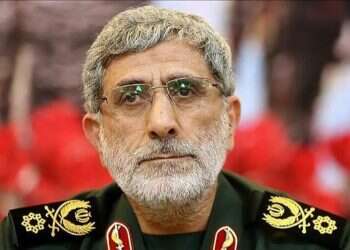
Despite these diplomatic efforts, reports suggest that Iran's leadership is deliberately delaying negotiations for political reasons. Senior Iranian officials told Reuters that the country's clerical establishment was determined not to hand Trump a political victory ahead of the US midterm elections. One senior official added that Tehran was preparing for renewed attacks rather than an agreement with Washington.
Diplomats speaking to The Washington Post said Iran's objective was to "punish" Trump politically by driving up energy prices. An Arab diplomat described the Iranian leadership's thinking in stark terms: "They're obsessed. They think they can bring down a presidency."
The regional fallout is also being felt in Saudi Arabia, which has faced repeated attacks by the Iran-backed Houthis in Yemen. The strikes included attacks on Riyadh's airport, where 18 people were killed this month.
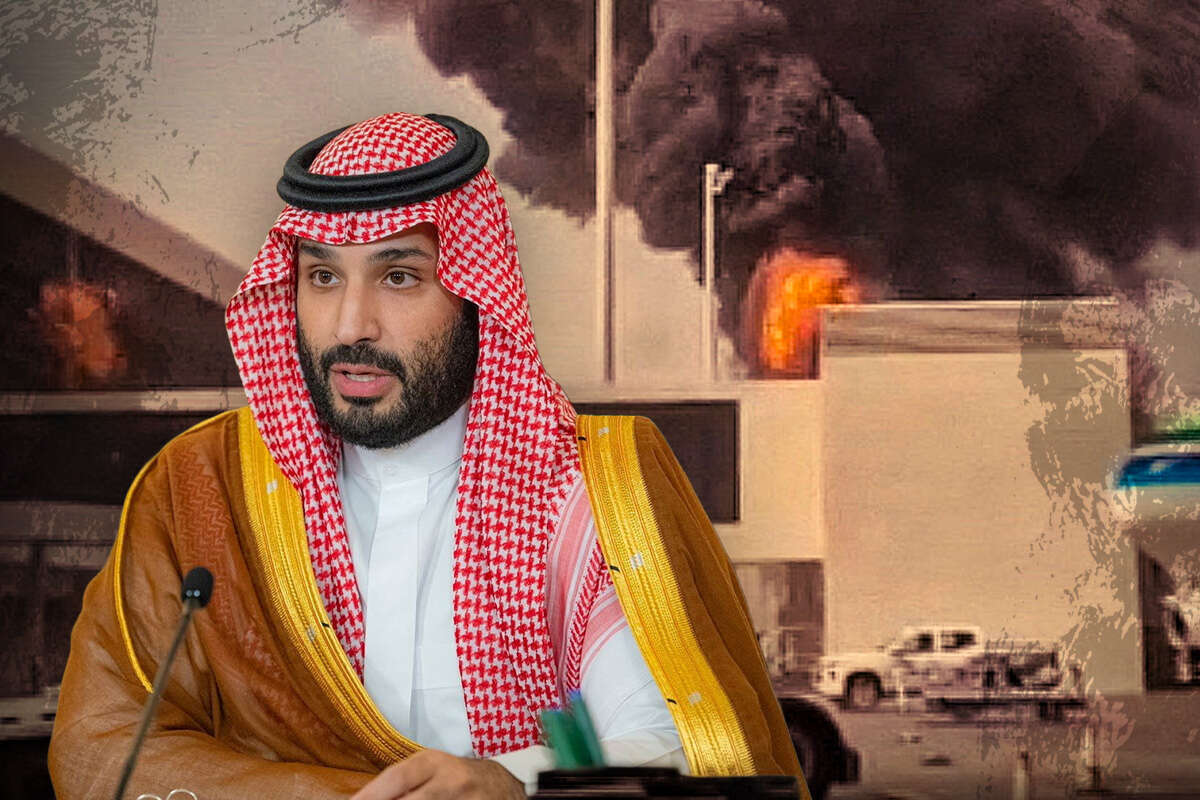
British Defense Secretary Wes Streeting announced that the Royal Air Force would deploy Typhoon fighter jets to help defend Saudi airspace, without conducting strikes inside Yemen. The deteriorating security situation also prompted Saudi Arabia to postpone its flagship Future Investment Initiative conference, widely known as "Davos in the Desert," until next year.
Meanwhile, the US is reinforcing its military presence in the region. According to Fox News, the USS Theodore Roosevelt aircraft carrier is expected to arrive in the Middle East by the end of November, joining two other US aircraft carriers already operating in the region.
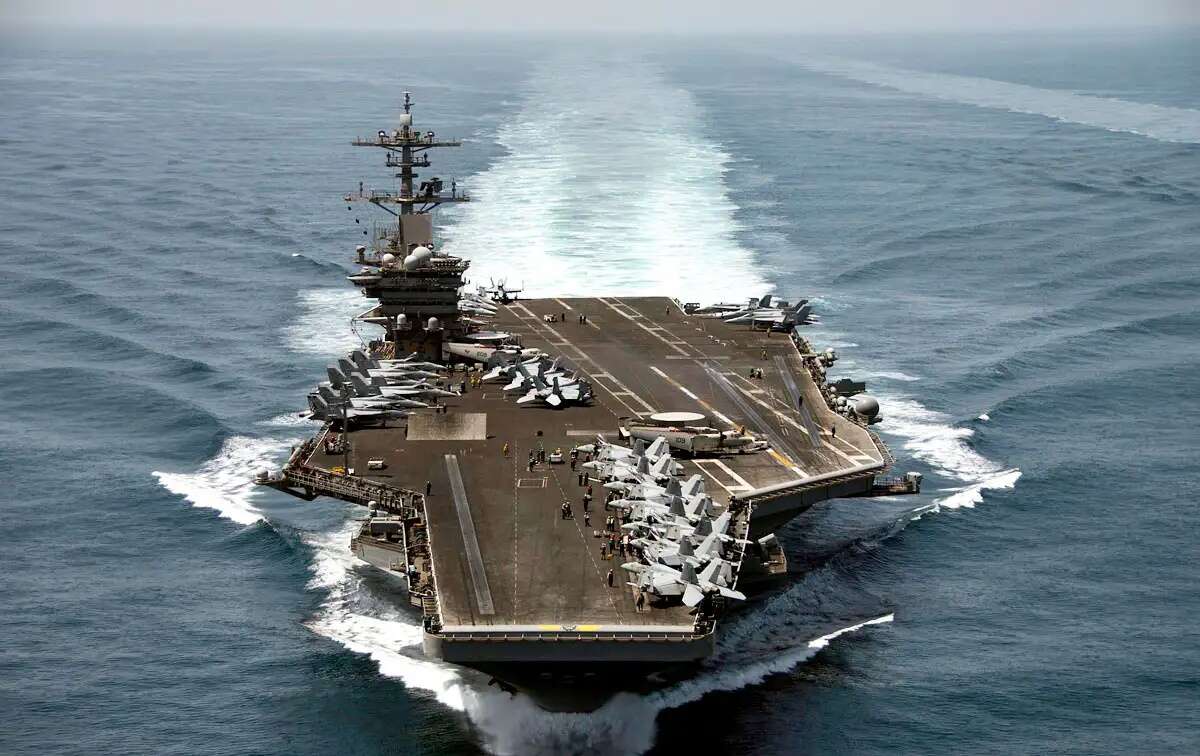
The deployment, which also includes additional Marine forces, is expected to bring approximately 10,000 more US sailors and Marines to the Middle East, significantly strengthening Washington's military presence in the Persian Gulf.