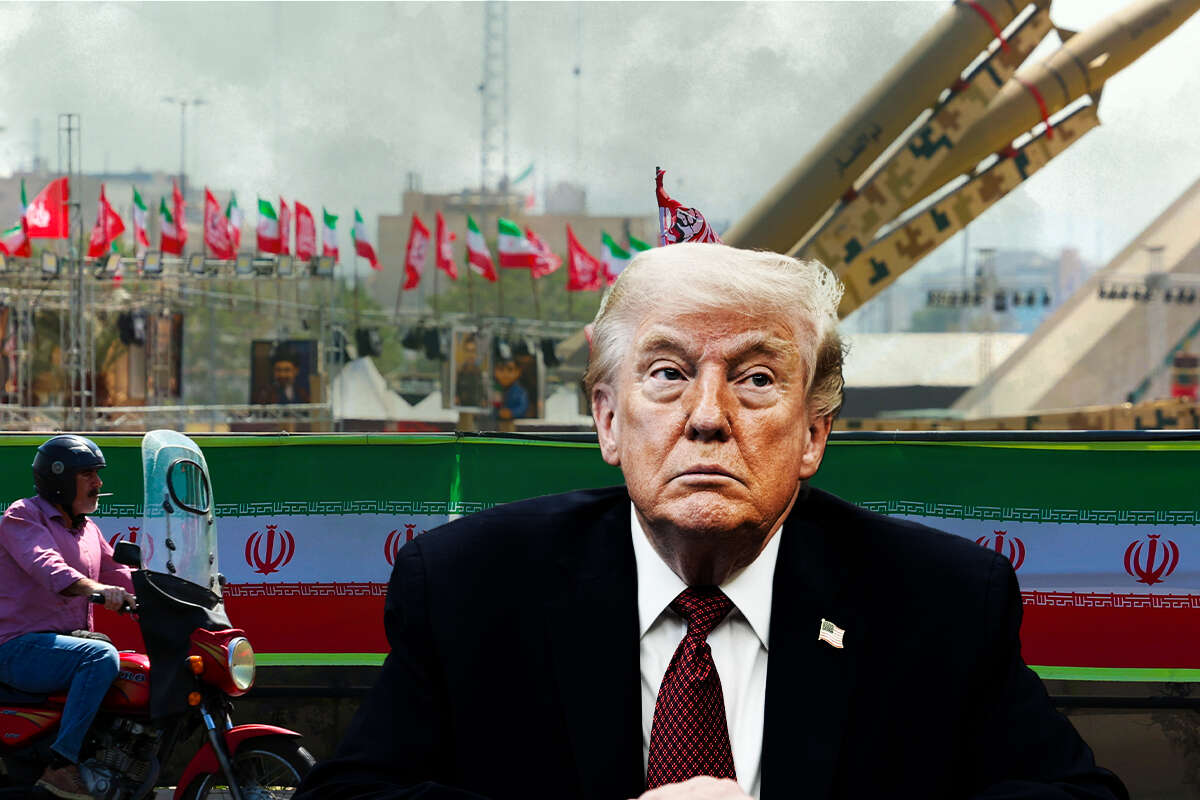
US President Donald Trump has received a comprehensive report on Iran's economic situation in recent days, one of the factors behind the decision not to resume the war for now and instead continue applying economic pressure. The report was submitted by the Treasury Department, headed by Secretary Scott Bessent, one of the administration's leading advocates of economic warfare against Iran.
Following the report, Trump requested additional assessments from the Treasury Department, State Department and intelligence agencies on how an economic collapse could affect the Iranian regime and when deteriorating economic conditions might trigger widespread public protests.
Israel's Mossad intelligence agency and the IDF are also preparing assessments on the issue in coordination with the administration in Washington, Israel Hayom has learned.
Trump has opted to maintain economic pressure, an approach led by Secretary of State Marco Rubio, Bessent and Commerce Secretary Howard Lutnick. Among the considerations behind the decision is that tanker traffic has resumed almost completely and oil prices have fallen to a more manageable level.
Nevertheless, the president has ordered the military infrastructure needed for renewed strikes to remain ready. He has also instructed officials to intensify surveillance of Iran's nuclear and missile facilities, as well as sites suspected of housing biological or chemical weapons.
Targeting Iran's leaders remains an option
Military action remains more than a contingency plan. According to an NBC News report Tuesday, citing a US official and another source familiar with the discussions, the Trump administration is considering targeting senior Iranian regime officials in an effort to remove hardliners from power.
The proposal has divided administration officials. Supporters believe such strikes could help Trump bring the war to an end while demonstrating to the regime's surviving leaders that the United States can locate and eliminate them whenever it chooses. Opponents fear the move would only harden the positions of those who remain in power in Tehran and undermine Washington's credibility in future negotiations.
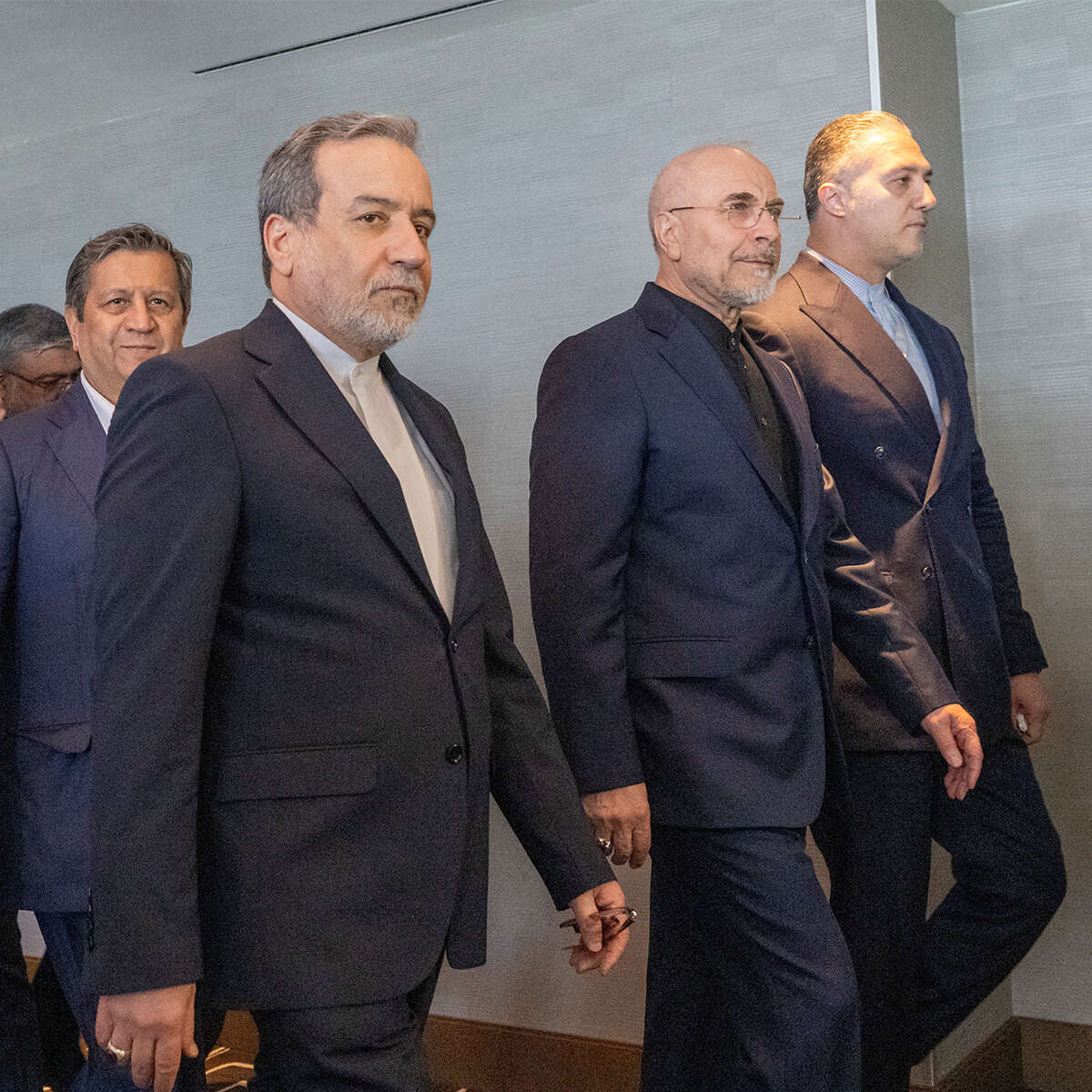
According to NBC, senior US military officials have also warned that targeting Iranian leaders could put American officials at risk.
'Until we have buried the head of the snake'
Bessent has expressed considerable confidence in the results of the economic blockade. In remarks this week, the Treasury secretary said Iran's economy was sinking and its leaders were panicking. According to Bessent, the regime in Tehran is under severe pressure from declining oil revenues and mounting economic hardship.
The administration is now targeting Iran's shadow banking system, which Bessent described as "the last financial lifeline of a bankrupt regime." He pledged that the Treasury Department would continue dismantling Tehran's illicit financial networks "until we have buried the head of the snake."
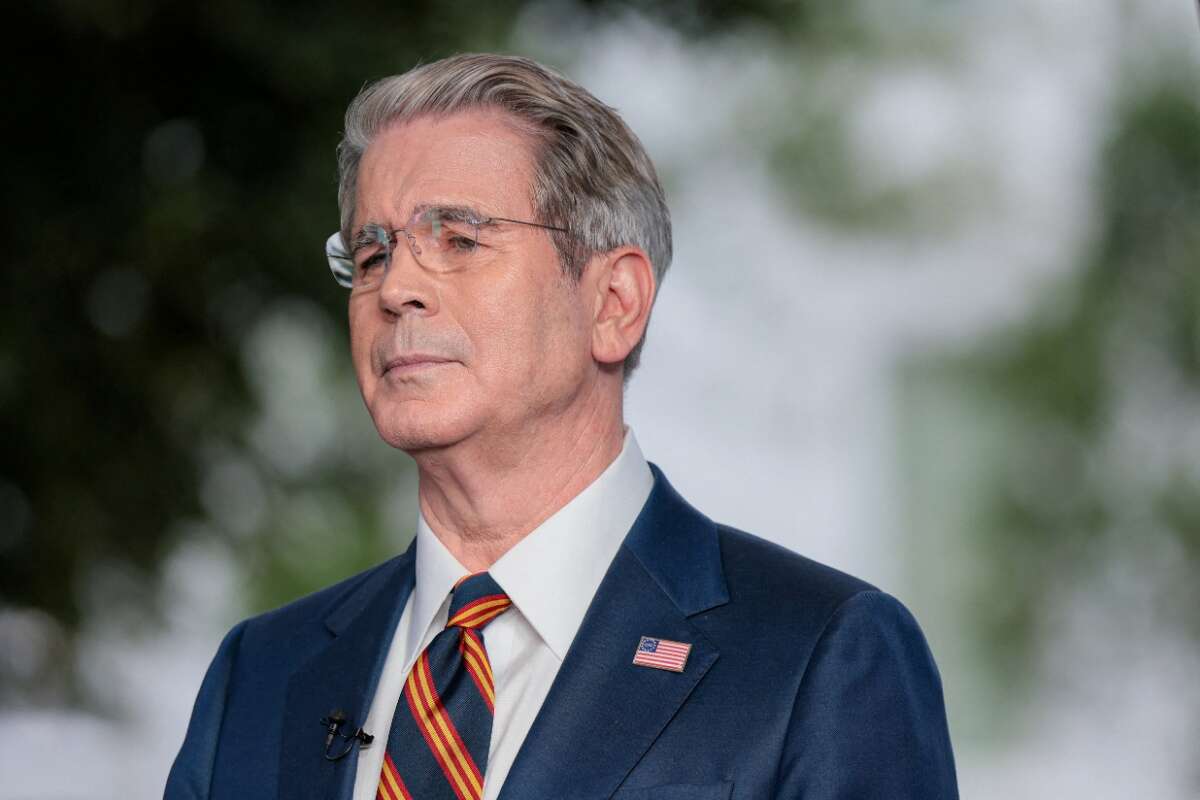
The Treasury Department announced sanctions against approximately 25 financial companies, currency exchange businesses and banking institutions with operations in Turkey, Hong Kong, the United Arab Emirates and other countries. According to the department, the measures target the financial infrastructure supporting much of Iran's remaining foreign trade. They are aimed at trading houses, shell companies and intermediaries that move billions of dollars through the international financial system, providing Tehran with access to foreign currency despite international sanctions.
A central focus of the sanctions is Iran's network of so-called rahbar companies, which operate through shell companies, currency exchange houses and banks specializing in transactions designed to evade sanctions. Major companies involved in these networks are based in Hong Kong, where they process Chinese payments for Iranian oil.
Another major hub is Dubai, highlighting one of the region's striking paradoxes: Iran has bombed the United Arab Emirates, whose air force has participated in strikes against Iranian targets. Yet the Emirates is also home to a vast international financial center where additional companies are believed to be helping Tehran circumvent sanctions.
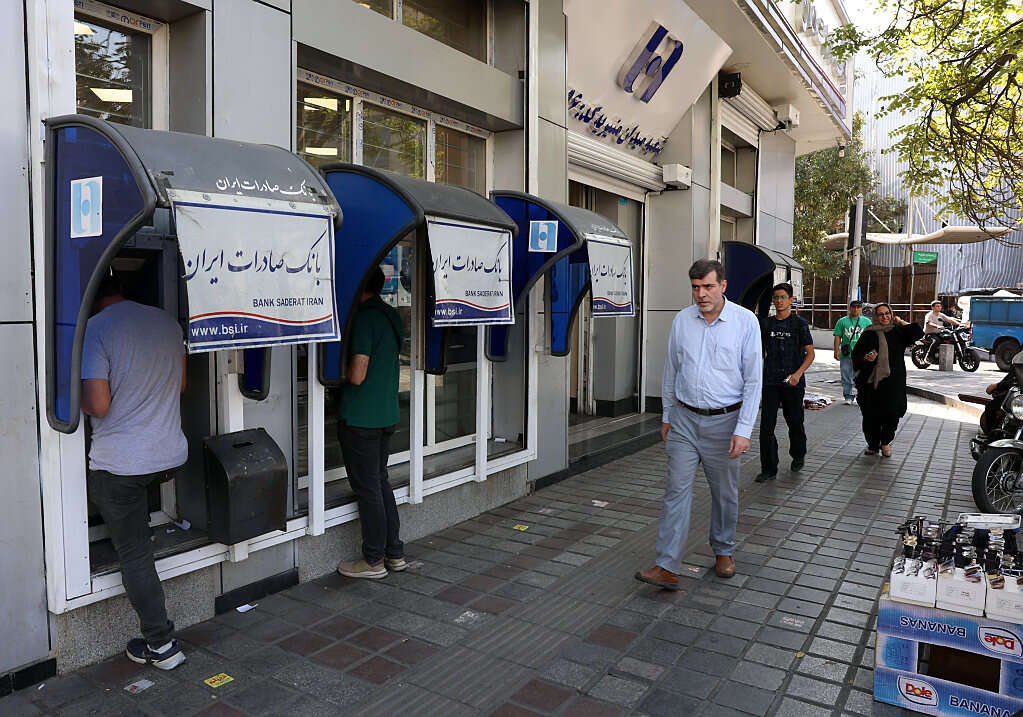
Meanwhile, the US dollar is trading above 2.85 million Iranian rials, and growing numbers of families are struggling with hunger. Shortages of fuel and gas are raising concerns ahead of winter, while the government has ordered scheduled power outages lasting several hours a day.
Against this backdrop, calls within the Iranian regime for an agreement with the United States to end the blockade and sanctions are becoming increasingly frequent.
Kushner distances himself, criticizes Israel
Jared Kushner, Trump's son-in-law, addressed the diplomatic negotiations this week. Discussing the talks with Iran before the war, Kushner said he had warned the president that Tehran's proposal contained loopholes that would allow it to preserve a future nuclear capability. "I told Trump, 'Look, these guys are playing games,'" Kushner recalled.
Kushner supports maintaining the economic blockade and opposes resuming the war. His comments can also be interpreted as distancing himself from Vice President JD Vance, who headed the negotiating team dealing with Iran and whom Trump considers primarily responsible for the failure of the memorandum of understanding reached in May.
An Israeli official and a US official criticized Kushner's position, arguing that he had been fully involved in the memorandum, which helped Iran withstand the blockade when the Strait of Hormuz reopened to oil exports for several weeks. "Without the memorandum of understanding, a full blockade of Iran, like the one in place now, would have brought about a much faster opportunity to achieve a decisive outcome and probably would also have reduced the scale of the defeat in the congressional elections," one of the officials said.
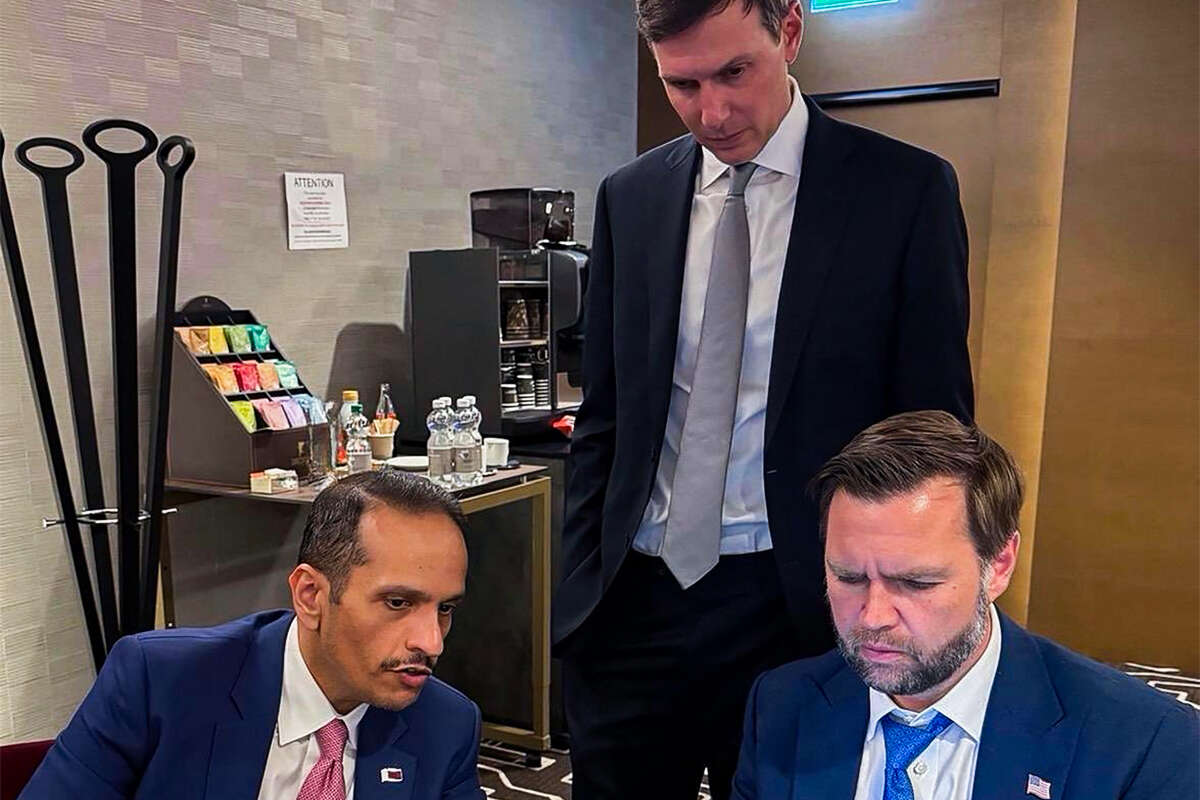
Kushner also delivered pointed criticism of Israel. He argued that Israel could emerge from the tragedy of October 7 more secure and more integrated into the international community, or continue on a path toward international isolation. Kushner suggested capitalizing on military achievements by focusing on economic development and reconstruction rather than historical grievances. In other words, pursuing diplomatic solutions to the conflicts.
If Kushner was referring to Gaza, he faces a broad Israeli consensus, shared by most of the countries involved in the diplomatic process: Without eliminating Hamas as a military and governing force in the Strip, the situation will not fundamentally change.
Kushner and the Board of Peace are seeking to ease the conditions of Trump's agreement, which stipulates that Gaza's reconstruction must not begin before the territory is demilitarized. In effect, they want reconstruction, even on a limited scale, to begin before Hamas has surrendered its weapons.
Israel has also faced criticism over its continued military operations in Gaza. Such operations are permitted when terrorist organizations are preparing attacks, but critics argue that this is not always the case. That is one reason IDF soldiers stationed along the Yellow Line are sometimes denied permission to open fire even when individuals on the ground are clearly involved in preparations for attacks, such as conducting surveillance. Authorization to fire is granted only when those individuals are visibly carrying weapons.