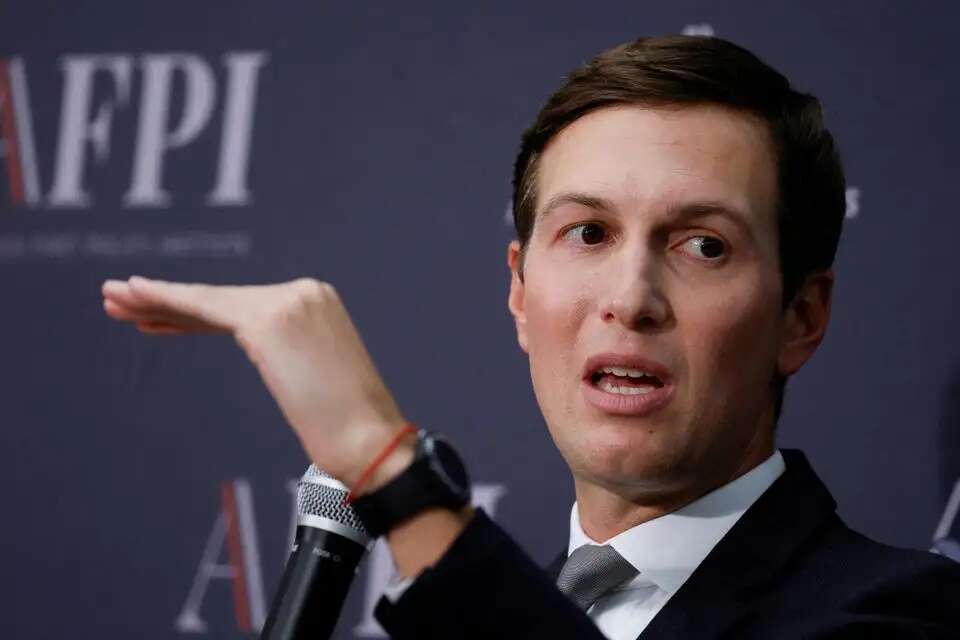
Jared Kushner, US President Donald Trump's son-in-law and a key figure in diplomatic efforts involving Gaza and Iran, has warned that Israel stands at a crossroads and risks becoming an international pariah. In an interview with New York Magazine, Kushner stressed that Israel must translate its military victories into diplomatic gains.
Kushner said Israel could emerge from the tragedy of October 7 considerably more secure and better integrated into the international community, or continue down a path toward what he called "global-pariah status."
The article also quoted Adam Boehler, who previously served as Trump's special envoy for hostage affairs, warning that Prime Minister Benjamin Netanyahu sometimes risks alienating the United States. According to the report, Boehler urged Kushner to return to diplomacy after the president's son-in-law initially stayed out of the administration's efforts following Trump's return to office in 2025.
Discussing efforts to end the Gaza war and secure the return of the hostages and the remains of those killed on October 7, Kushner described the extraordinary complexity of the operation and the skepticism in Jerusalem. "Bibi didn't think we could do it," Kushner said.
Kushner also recalled that his earlier proposal for direct negotiations with Hamas had been dismissed and ridiculed. The approach was eventually adopted, leading to direct talks with representatives of the terrorist organization.

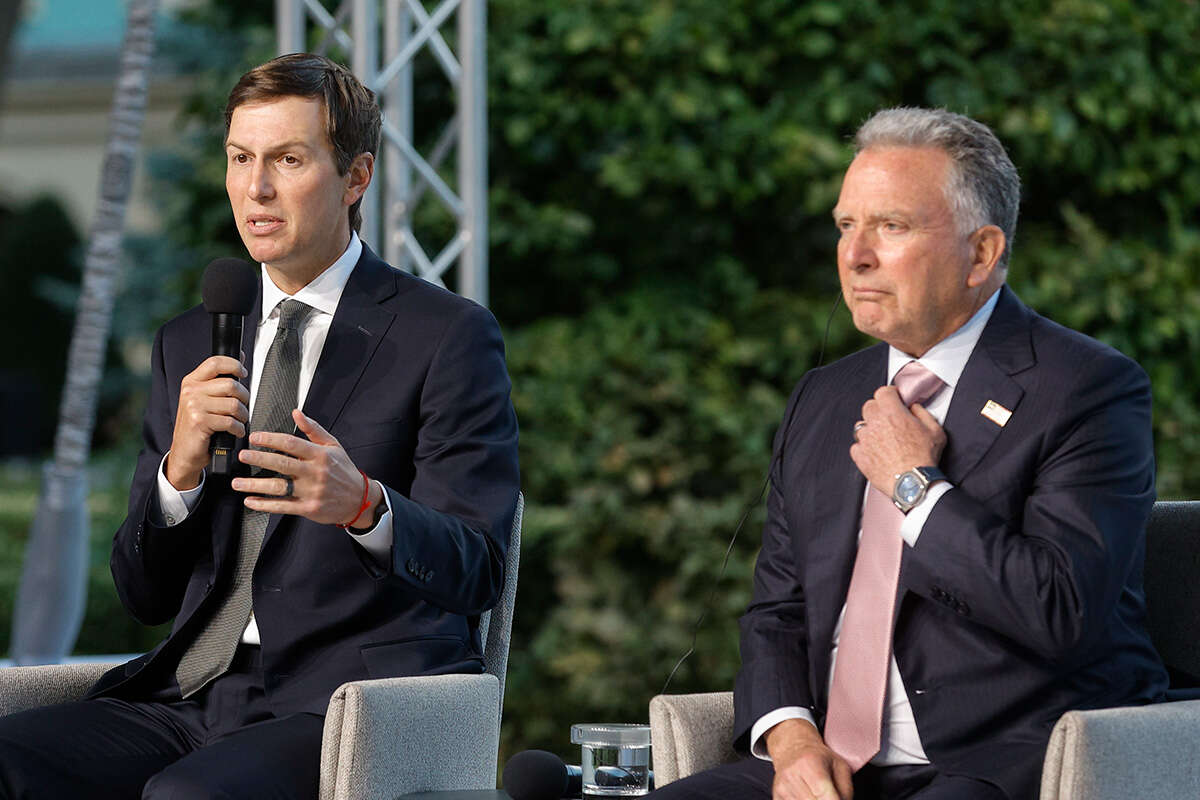
Throughout the diplomatic efforts, Kushner has worked closely with presidential envoy Steve Witkoff, who described Kushner as a mentor despite being older than him. Witkoff said the two developed an unusually close partnership, with an almost instinctive understanding of each other's thinking.
Kushner believes Israel can now capitalize on its military achievements, having argued in a podcast cited by the magazine that Hamas and Gaza had been largely destroyed. He compared the establishment of the Board of Peace, tasked with overseeing Gaza's recovery, to launching a massive startup. Kushner explained that his approach to diplomacy focuses primarily on economic opportunities rather than historical grievances, which he believes should not prevent progress.
A map of Israel hangs in his office, bearing a handwritten message from Trump congratulating him on his work. Kushner remains confident in his ability to solve problems and achieve outcomes others consider impossible.
'These guys are playing games'
On Iran, a source quoted by the magazine said Trump had asked Kushner to provide an additional assessment of the negotiations alongside Witkoff. Kushner acknowledged the difficulty of repairing relations between Washington and Tehran after half a century of hostility, noting the lack of any clear precedent for success.
Before the outbreak of war with Iran, Kushner said he examined Tehran's proposal and identified loopholes that could allow the regime to retain the ability to develop nuclear weapons. He concluded that the Iranians were playing games and said Witkoff had reached the same assessment.
Asked about the decision to go to war, Kushner said it was impossible to replay events to determine how an alternative course might have unfolded. Instead, he emphasized the importance of learning from what had happened and negotiating the most favorable agreement possible.

Kushner described economic cooperation as a process in which both sides can gain, in contrast to war, which produces losses. He argued that negotiations should seek a mutually beneficial framework.
Discussing his father-in-law's approach to diplomacy, Kushner said Trump deliberately keeps other leaders uncertain about his intentions. Kushner explained that his own role is to follow the president's instincts and use the uncertainty Trump creates to advance negotiations.
Gulf connections and corruption allegations
Much of Kushner's influence rests on his extensive relationships in the Gulf, developed during Trump's first term, when he played a central role in negotiating the Abraham Accords between Israel and the United Arab Emirates, Bahrain, Morocco and Sudan.
Kushner described his relationship with Saudi Crown Prince Mohammed bin Salman as a genuine friendship. The two have even played video games together. In his memoir, Kushner recalled how the Saudi crown prince introduced him to influential Middle Eastern figures who wield considerable power despite holding no formal government positions.
However, a former senior National Security Council official from Trump's first term argued that Mohammed bin Salman quickly recognized Kushner's loyalty to the president. The official also described Kushner as difficult to control within the administration's interagency decision-making process. After leaving the White House, Kushner raised billions of dollars from Gulf investors for his private equity firm, Affinity Partners.
He told New York Magazine that although he had originally intended to remain outside government, circumstances drew him back into diplomacy. Kushner maintained that managing Affinity now occupies relatively little of his attention. He also argued that his wealth gives him financial independence and challenged critics to identify any instance in which he had used his diplomatic activities to benefit his business interests. Accumulating more money, he insisted, was no longer his primary objective.
Nevertheless, Kushner's financial relationships in the Gulf continue to attract intense criticism in Washington. In a book by investigative journalist Matthew Cole, Saudi Arabia and the United Arab Emirates were accused of secretly bribing Kushner through offshore accounts. New York Magazine questioned the evidence supporting those allegations, which Kushner categorically rejected.
A Democratic congressional staff member went further, arguing that the scale of the alleged corruption surrounding Kushner made the controversies involving Hunter Biden appear trivial by comparison.
Kushner rejected the accusations, saying he had no difficulty sleeping at night because he understood the law and the rules governing his conduct and was confident he had not come close to violating them. Asked about the possibility of future congressional investigations, Kushner said he was prepared to answer serious questions but would respond accordingly if the proceedings turned into political theater.