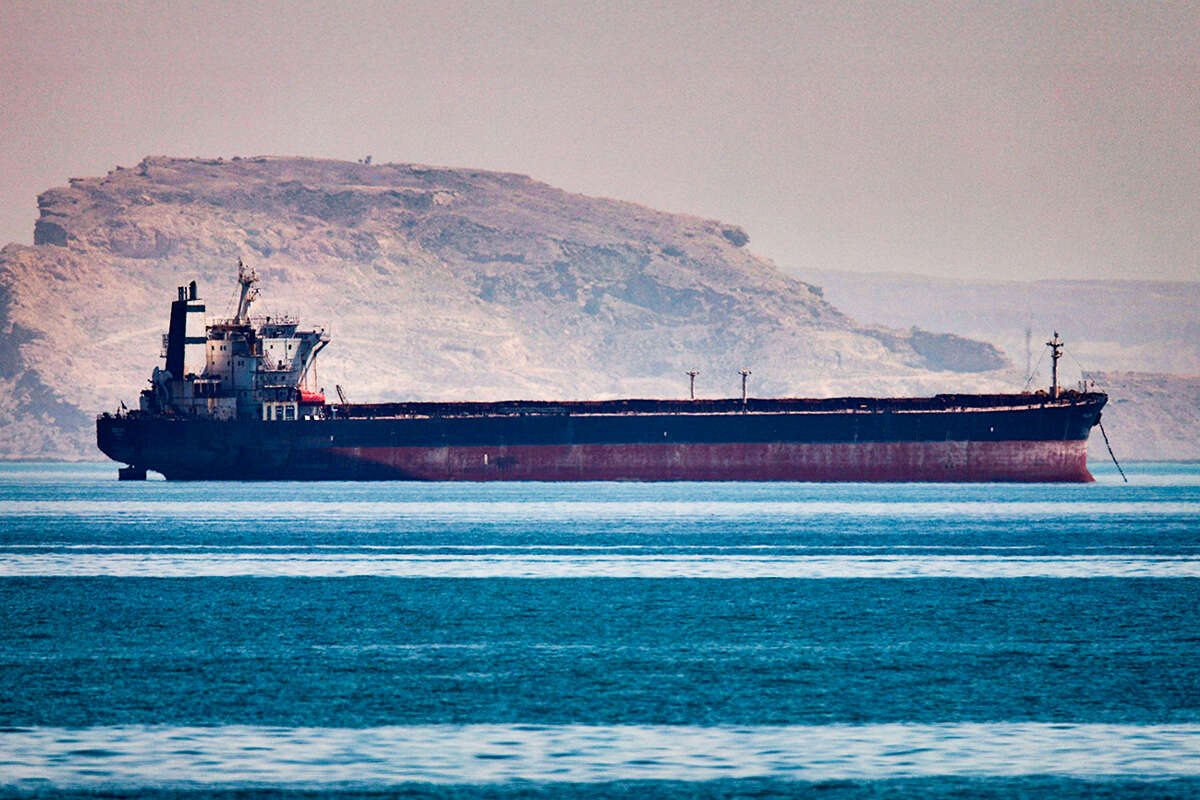
Iran is the main suspect in as many as 50 cyberattacks on tankers hauling oil, liquefied petroleum, chemicals and other explosive cargo, The Wall Street Journal reported, citing US officials. Some officials said Russia is also seen as a possible culprit.
Some ships received bomb threats, fueling fears that Tehran aims to frighten shippers, disrupt sea lanes or trigger an explosion at a port far from the Middle East. Early accounts surfaced on Iranian and Russian websites and Telegram channels, and some crews never knew they were hit, officials said.
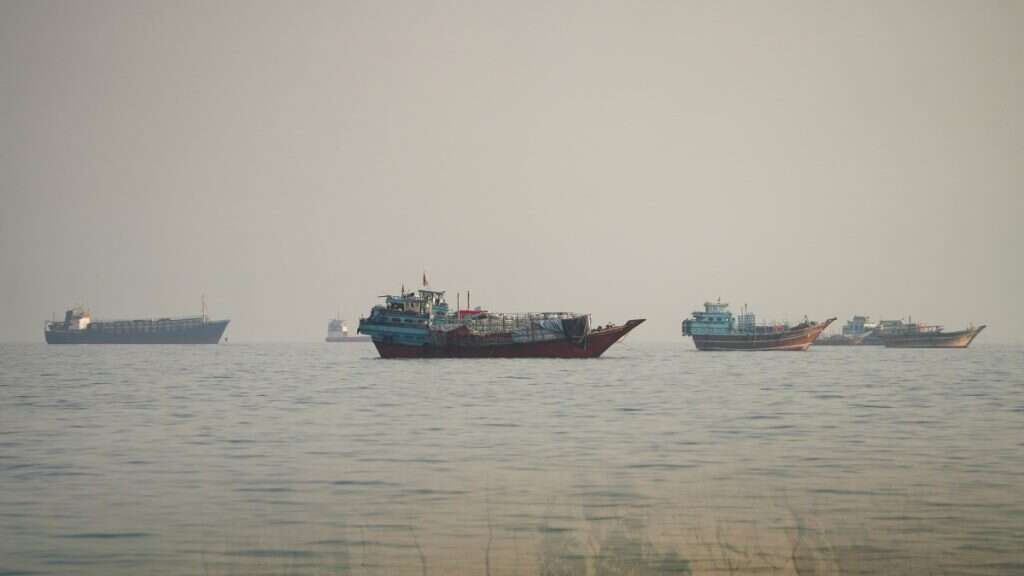
The US Coast Guard sent cyber teams to at least four ships nearing American shores, and other targeted vessels are sailing near Europe and Asia. Teams also boarded the VL Prosperity and the Kohaku, both bound for Texas.
According to The Wall Street Journal, a ransom note to the VL Prosperity's captain called the attack a "planned execution." It accused the ship of "illegally" carrying Saudi oil to American ports and of being "complicit in the organized crimes" of the US and Israel, though The Journal could not determine its origin.
The Vivit Africa, which was hauling liquefied natural gas from the US to Italy, also received a bomb threat and was attacked, according to ship-tracking data and a person familiar with the matter. A European shipowner said officers on one of his vessels received messages reading "traitor ships will burn in hell," "there is no ceasefire" and "we will hunt you down all over the world."
A Trump administration official said the US has found no evidence of Iranian involvement and called four attacks a minor nuisance. The attackers are exploiting a flaw in Fortinet routers, and the FBI and the Coast Guard Cyber Command warned in September that nation-state actors were targeting Fortinet FortiGate devices.
The Coast Guard declined to discuss specific attacks. "The Marine Transportation System is vital to America's economic prosperity and national security, and safeguarding it against potential cyber risks is a standard part of the United States Coast Guard's safety and security mission," the agency said in a statement.
"What we're seeing in 2026 is that ships are no longer collateral damage in cyber campaigns; they're deliberate targets," Alon Ayalon of the Israeli firm Cydome said. "The uncomfortable truth is that most vessels sailing today have less cyber protection than a midsize office," he added.
Shipping analyst Lars Jensen called a hacked ship driven into a bridge an unrealistic "Hollywood scenario" because vessels have manual overrides. Hackers can still disable some systems and demand ransom, he said.
The attacks come as Iran keeps mounting physical attacks on ships in the Strait of Hormuz and as officials warn that Tehran has expanded its threats against Americans at home and abroad. Jay Clayton, the director of national intelligence, recently told a House committee that Iranian threats have "substantially increased."