

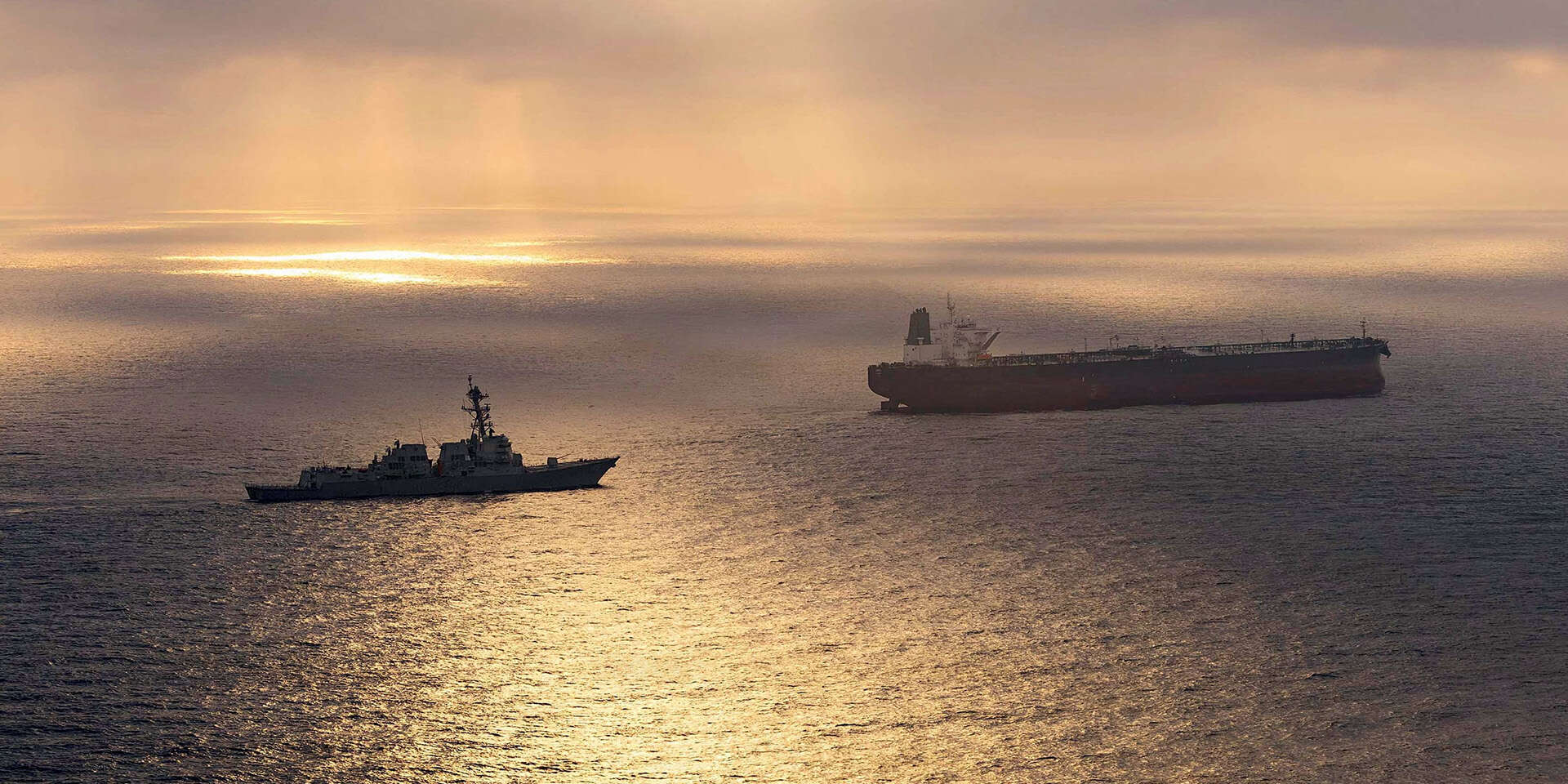
Over the past week, the US and Iran have resumed exchanging military blows after Iran attacked several vessels that, according to Tehran, attempted to transit the Strait of Hormuz without authorization from the Islamic Revolutionary Guard Corps (IRGC). Clause 5 of the recently signed understanding stipulates that Iran must guarantee safe passage through the Strait of Hormuz for at least 60 days without charging transit fees.
Iran, however, argues that ensuring safe navigation depends on its ability to monitor shipping and determine approved transit routes. Since the agreement was signed, two shipping lanes have been established outside the center of the strait. According to Iranian authorities, both routes have been mined.
One route runs close to Oman's coastline, where Iran has limited ability to enforce control. The second lies near Iran's coast and is under Iranian control. From Tehran's perspective, vessels may transit the strait only after receiving approval from the IRGC and only by using the Iranian-controlled route.
The use of the Omani route limits Iran's ability to control maritime traffic, prompting Tehran to target ships using that corridor in an effort to reassert its authority over the waterway.
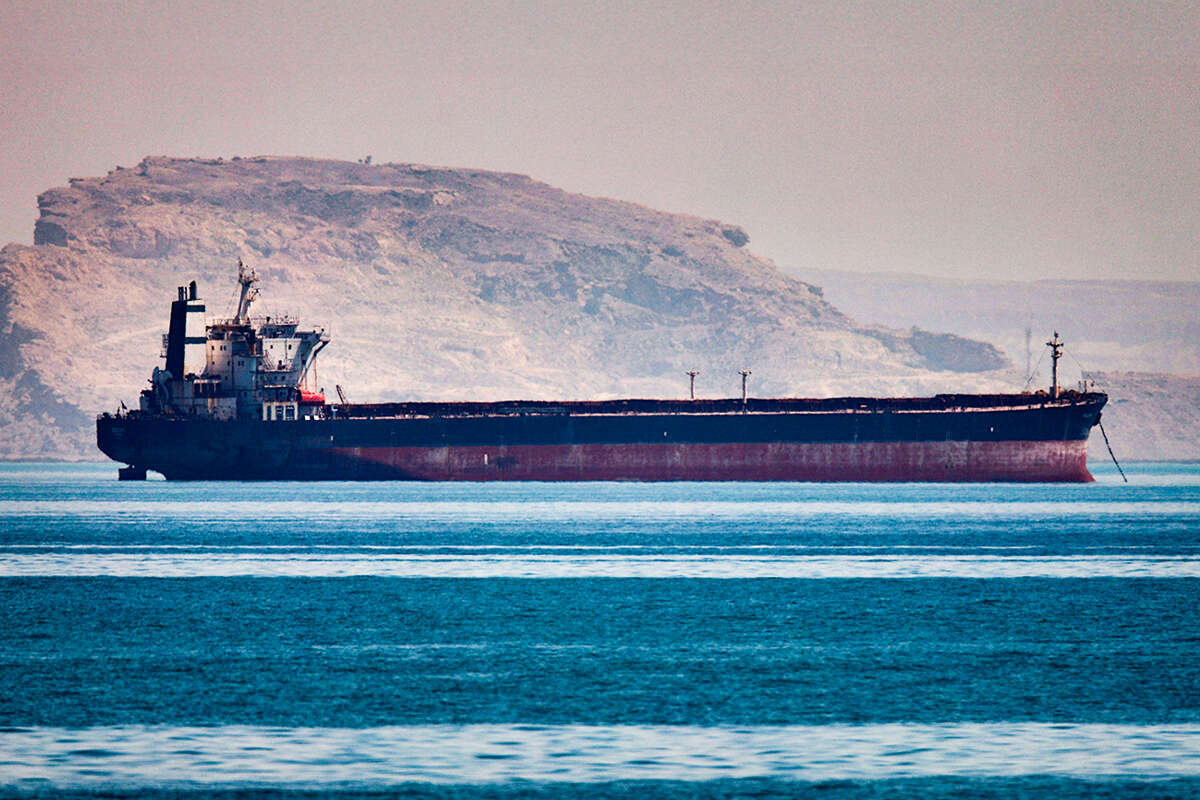
Washington viewed the Iranian attacks as a violation of the agreement, whose language was sufficiently ambiguous to allow for differing interpretations. In response, the US launched strikes against targets inside Iran as both punishment and deterrence, signaling that violations of the agreement would trigger an immediate military response.
Since the agreement was signed and maritime traffic resumed, an estimated 15 million to 18 million barrels of oil have passed through the Strait of Hormuz each day. In total, roughly 350 million barrels have transited the waterway. Global oil prices have fallen to about $75 per barrel, a decline expected to lower gasoline prices and allow countries to replenish fuel reserves that were partially depleted during the recent crisis.
The overriding American interest is to reduce gasoline prices before the US midterm elections and bring the oil crisis to an end, a development that US policymakers believe would improve their electoral prospects.
For Iran, the priority is generating hard currency to finance salaries for members of the IRGC, the Basij militia, and its regional proxy organizations, thereby preserving and strengthening the regime. Iranian oil exports have risen to between 3 million and 4 million barrels per day, bringing billions of dollars into the country's depleted treasury.
The US interest in lowering oil prices ahead of the midterm elections, together with the continued flow of petrodollars into Iran's coffers, are the two main factors supporting the ceasefire, despite President Donald Trump's declaration that it had ended, and the continuation of nuclear negotiations, which have recently resumed with Qatari mediation.
For that reason, the current exchanges of military strikes remain limited in scope and do not indicate that the ceasefire has collapsed or that the sides are returning to large-scale hostilities. The US hopes to preserve this situation until November, when the midterm elections are held, while Iran seeks to continue accumulating foreign currency in order to rebuild military capabilities damaged during previous fighting and prepare for the next round of conflict.

Regarding Israel, Iranian leaders understand that any direct attack on Israel would compel an Israeli military response in self-defense. Consequently, it is unlikely that Iran will initiate such an attack. At the same time, Tehran recognizes that an Israeli strike against Iran would run counter to US interests and could strain relations between Jerusalem and Washington.
Israel cannot afford to base its security policy on assumptions about Iranian decision-making and must remain prepared for the possibility of renewed large-scale fighting. If I were advising Iran, I would not indulge in illusions. An Iranian attack on Israeli targets at this stage would trigger an exceptionally powerful Israeli counterstrike against Iranian infrastructure and energy facilities, causing extensive damage to Iran's economy and potentially undermining the stability of the regime to the point of threatening its survival. Israel possesses both the capability and the means to carry out such an operation.


