"The enemy seeks to apply economic pressure and take other measures to bring about an internal collapse instead of waging a military war," Iranian Parliament Speaker Mohammad Bagher Ghalibaf said Sunday in a statement posted on social media. According to Ghalibaf, the only way to keep the threat of war away from Iran is to deter its enemies and convince them that they cannot achieve their objectives through military force.
The statement follows a series of recent remarks by Ghalibaf in which he made clear that Iran would not remain in a state of "neither war nor peace," laid out seven conditions for resuming negotiations with Washington and threatened to expand both the scope and the geographic reach of the fighting if Iran is attacked.
Efforts by Qatari mediators over the weekend to revive negotiations and prevent military escalation underscore just how close the moment of decision may be. Qatar has developed a knack for recognizing the moment before an explosion and putting forward initiatives to postpone the inevitable. So far, no breakthrough has been reported, but mediation efforts continue.
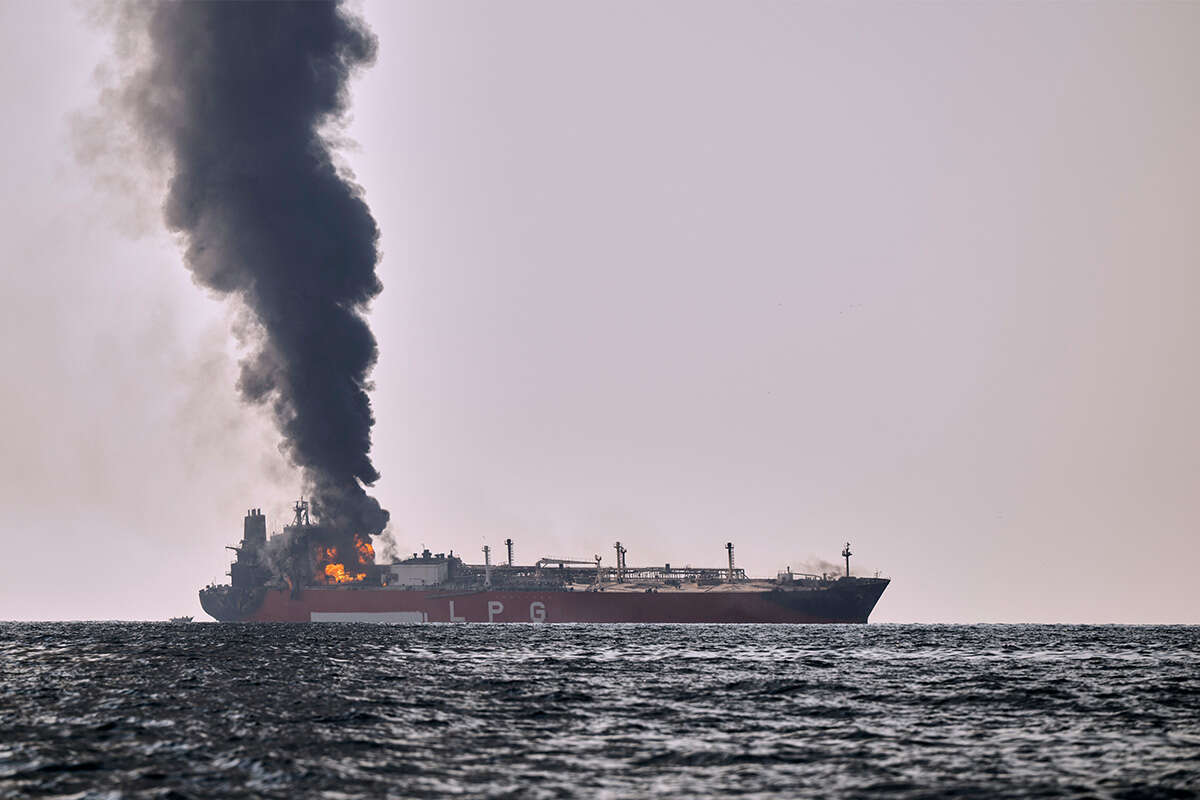
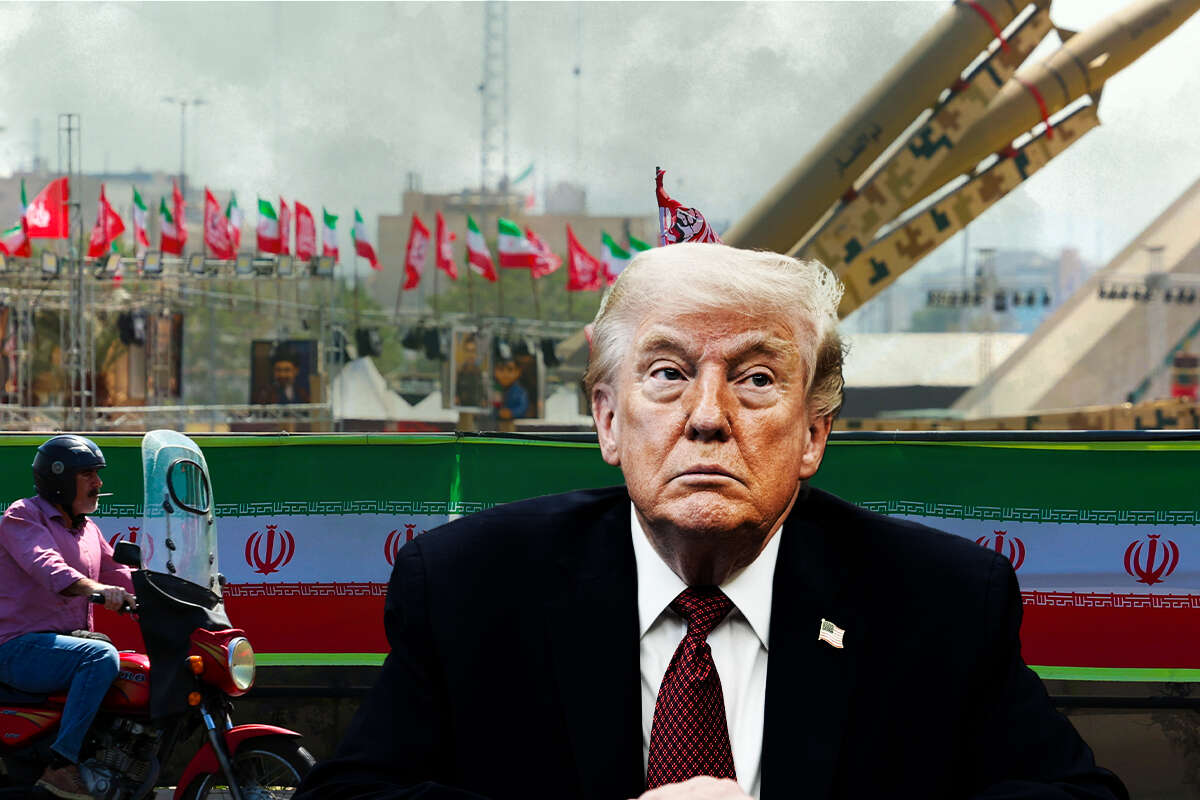
Trump is still weighing whether to resume military operations, but his window of opportunity is narrowing. Iran may be growing weaker economically, but it is hardly standing still militarily. The pace at which its missile capabilities are being rebuilt makes that clear. Reports of proposals to develop chemical and biological weapons have been accompanied by additional threats, while the growing list of US Cabinet members and senior administration officials forced to relocate to military bases underscores how seriously Washington takes the danger.
Trump knows that no agreement will completely eliminate these threats or necessarily restrain the Islamic Revolutionary Guard Corps' desire for revenge. Nor does the passage of time guarantee that tensions will ease, even when it comes to threats directed at Trump personally. Differences of opinion over the appropriate course of action persist within the US administration.
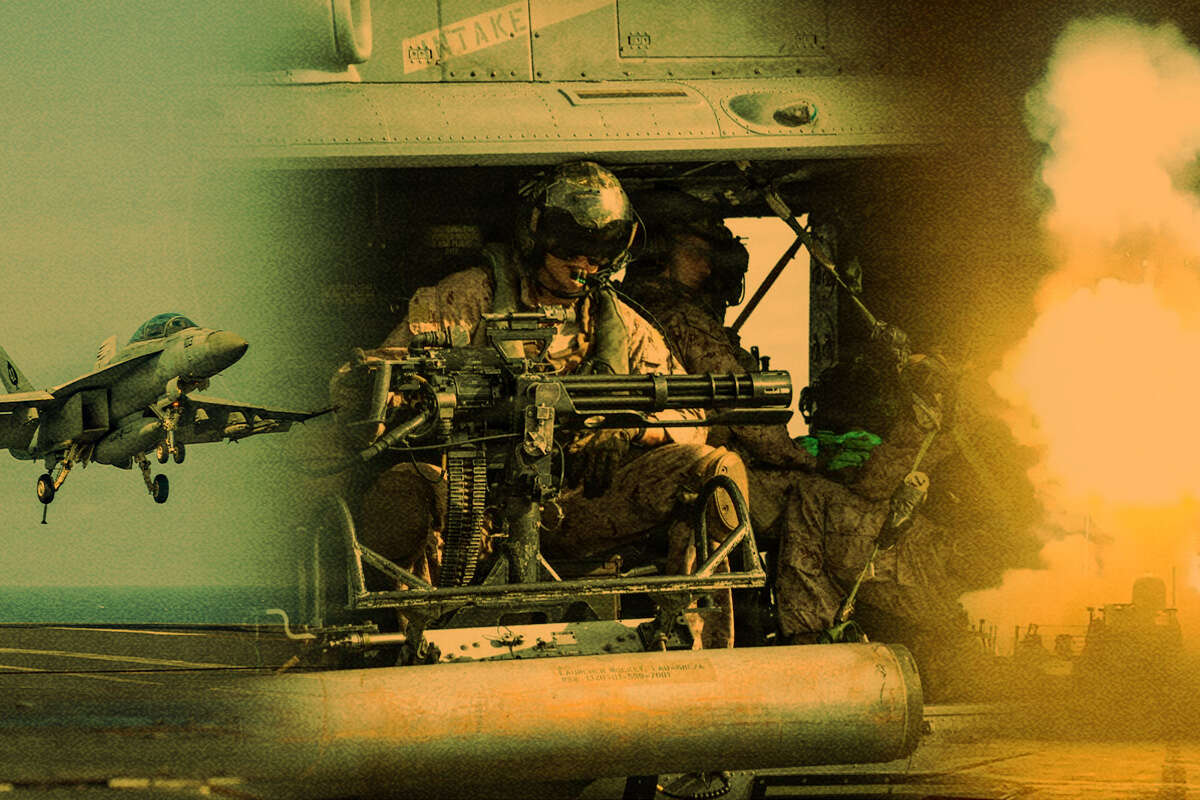
Time is working in Tehran's favor
Washington's first option is to tighten the economic and diplomatic noose around Iran, hoping that mounting domestic pressure, already showing visible signs, will force the regime to capitulate, if not collapse. The advantage of this approach is that it avoids the immediate risks and costs of a direct military confrontation. But it is a slow strategy, one that gives Tehran valuable breathing room to rebuild its military strength, advance its nuclear program and reinforce its defenses.
The second option is a targeted military operation aimed at depriving Iran of its strategic capabilities and dealing a severe blow to the regime's centers of power. For Trump, such an operation could offer a clear-cut solution, ending the prolonged standoff and establishing new rules of engagement in the region. Washington, however, is also well aware of the potential cost: a regional conflagration, possibly extending beyond the Middle East, damage to the global economy and rising energy prices, along with the risk of becoming entangled in a prolonged military campaign.
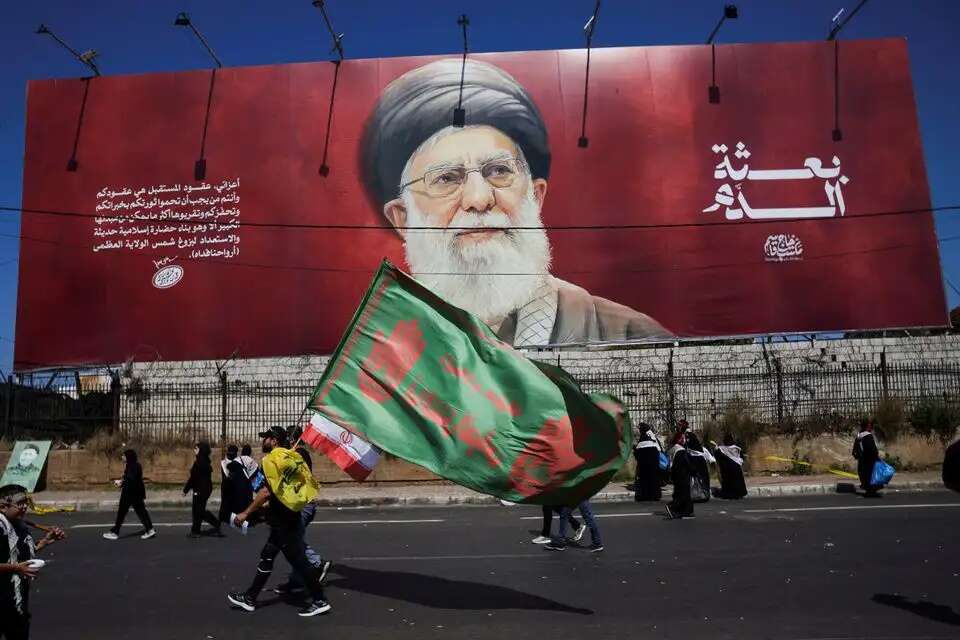
This dilemma does not exist in a vacuum. It is shaped by the US political calendar and operational preparations on the ground. With each passing day, Washington's room for maneuver shrinks, while Tehran may interpret hesitation as an opportunity to act more boldly. From Israel's perspective, these developments make it essential to maintain operational readiness and close coordination with Washington. In the current tense environment, fighting could resume not only as a result of a planned military operation, but also because of escalating friction.
The security briefings the prime minister gave to leaders of the Change Bloc were a necessary step at this juncture, even if they were not required by protocol. National unity is essential if we are to withstand the challenges that may still lie ahead.
The author is head of the Misgav Institute for National Security and Zionist Strategy and served as Israel's national security adviser from 2017 to 2021.