Iranian Foreign Minister Abbas Araghchi said Tuesday that negotiations with the US were continuing through intermediaries, including Qatar and Pakistan, and that Tehran had proposed a seven-day plan to reopen the Strait of Hormuz if Washington accepted its conditions.
In an interview with Iraqi media, Araghchi said, "Negotiations with the US are continuing through mediators, including Qatar and Pakistan. We have presented a seven-day initiative that would see the Strait of Hormuz reopened on the sixth day of the agreement, provided Washington accepts Iran's conditions. A prerequisite for moving on to negotiations on other issues is Washington's commitment to implementing the Islamabad memorandum of understanding."

Araghchi accused Washington of repeatedly undermining diplomatic efforts, saying, "All three rounds of negotiations ended in wars against Iran, proving that US commitments cannot be trusted. The seven-day initiative is intended to keep the door to diplomacy open, provided previous understandings are upheld. It is Washington, not Tehran, that is obstructing the diplomatic process and closing the door to negotiations. Fully reopening the Strait of Hormuz depends on reaching a political understanding between Iran and the US."
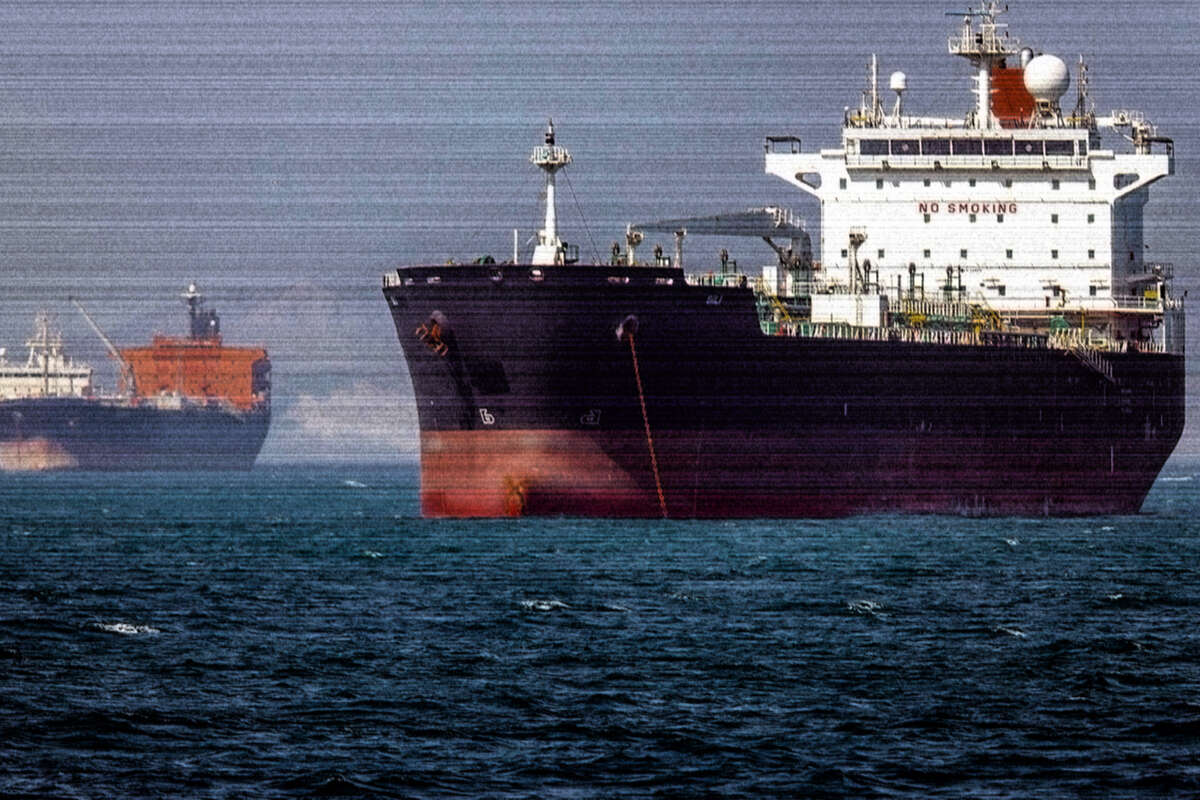
The Iranian foreign minister warned that shipping through the strategic waterway remained dangerous.
"The Strait of Hormuz remains closed, and any ship attempting to pass through it will face serious security problems," he said. "Washington claims the strait is open, but vessels are encountering difficulties entering it. Washington has failed to achieve its objectives in the war, and pressure will not force Iran to surrender or abandon its positions."
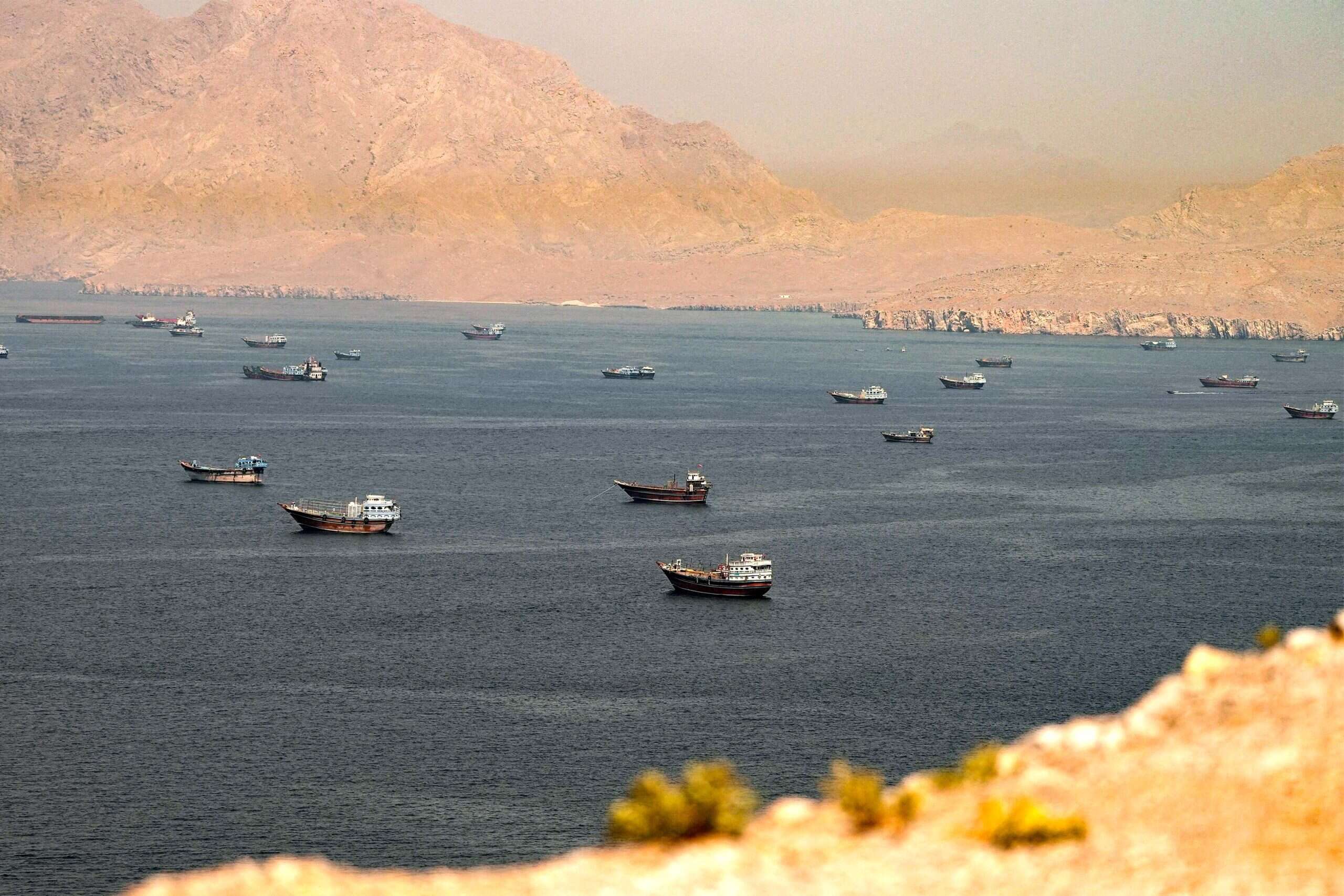
Araghchi also said Iran and Oman had reached an understanding on designated shipping routes through the strait.
"Iran and Oman have agreed on designated routes for vessels entering and leaving the Strait of Hormuz. We will adopt these routes if an understanding is reached on reopening the strait," he said. "We are aware of the extent of the economic damage Iraq has suffered as a result of the closure of the Strait of Hormuz, and we have opened special routes for Iraqi vessels. The American war is the main cause of the economic and security consequences across the region."
Araghchi also said he had discussed developments in Yemen and the broader situation in the Middle East with Iraqi Prime Minister Ali al-Zaidi and Iraqi Foreign Minister Fuad Hussein.