

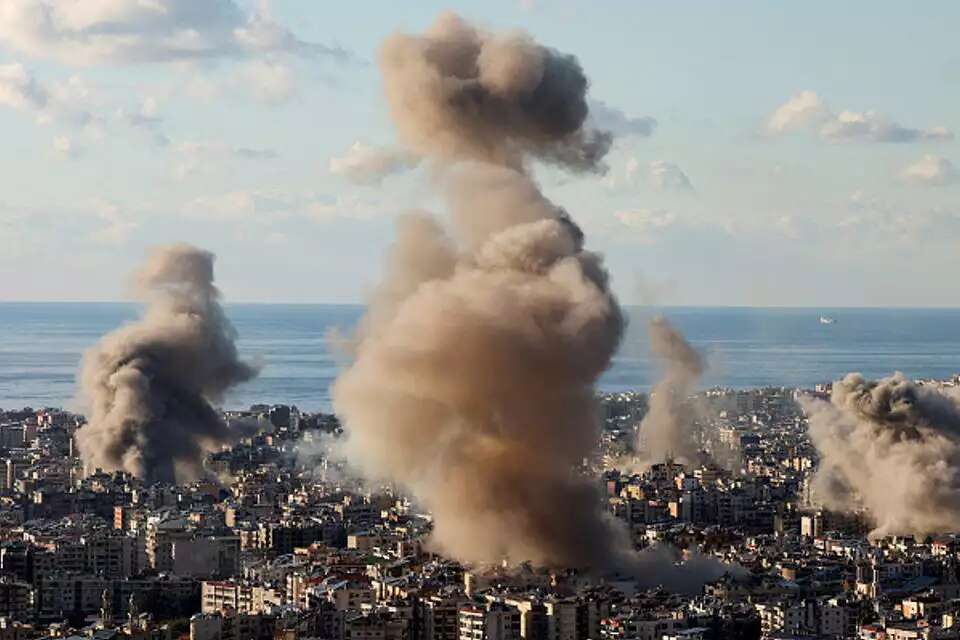
Israel's agreement to a ceasefire in Lebanon in November 2024, at a moment when Hezbollah was reeling from the blows it had sustained, is increasingly emerging as an unfathomable missed opportunity. We had a rare chance to decisively defeat the organization long regarded here as our most formidable and certainly most dangerous enemy. The paralyzing fear of Hezbollah not only cast a heavy shadow over daily life in northern Israel, it also prevented Israel, as many will recall, from acting against Iran's nuclear capabilities at the start of the previous decade.
Yet at the decisive moment, when victory over Hezbollah appeared within reach, we halted the fighting. In doing so, we effectively extended the organization a lifeline, one it has used well in the weeks and months since. The same "conceptzia" that led us to the October 7 catastrophe and seemed to have shattered in dramatic fashion that day is still alive and well. Once again, we hear that Hezbollah has been dealt a severe blow and is now deterred. Once again, we are told it no longer poses the kind of threat it did on the eve of October 7. And once again, we are advised to wait patiently until internal pressure within Lebanon forces the organization to surrender and disarm.

But a year and a half has already passed since the ill-fated decision to stop short of defeating Hezbollah. To everyone's surprise, the organization remains standing. It is actively rebuilding its strength, restoring its command structure and leadership, and rehabilitating its remaining military capabilities.
It is also increasingly clear that Hezbollah will never voluntarily disarm. The lull it has imposed on itself is temporary, intended solely to get Israel off its back so it can focus on reconstituting its power. Meanwhile, the Lebanese government, true to form, continues to issue declarations but refrains from taking meaningful action against the organization, neither in southern Lebanon nor north of the Litani River. Instead, it directs accusations at Israel, as though our actions are the reason Hezbollah has not disarmed.
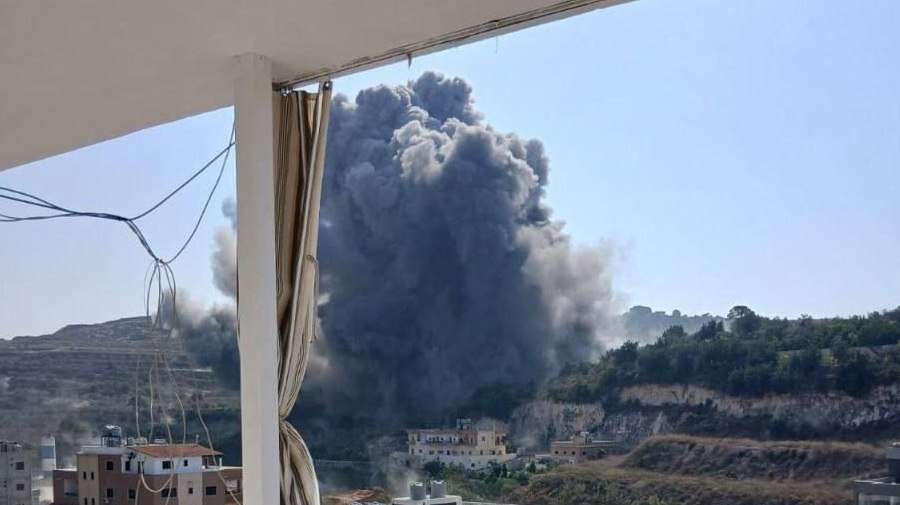
Israel does carry out near-daily strikes in Lebanon, targeting Hezbollah operatives, hampering its rehabilitation efforts in the south and applying indirect pressure by preventing its Shiite support base from returning to villages along the Israel-Lebanon border. Yet in the final analysis, important as these actions may be, they lack strategic weight. They are insufficient to defeat Hezbollah or even to halt its recovery.
It appears, then, that the October 7 disaster changed little among Israel's decision-makers, especially regarding the northern front. Before our half-closed eyes, Hezbollah is rebuilding its capabilities, just as Hamas, the terrorist organization in Gaza, is doing the same. Israel, meanwhile, refrains from decisive action and waits, heaven knows for what.
Little wonder, then, that amid the possibility of a US strike on Iran and the risk of broader regional escalation, concern is growing that Hezbollah could join the fight against us. It beggars belief: Hezbollah, which we supposedly struck and subdued, may resume hostilities. If so, what exactly have we accomplished over the past two years? Have we simply delayed the next round?
It is becoming ever clearer that the war that began on October 7, following Hamas' murderous terrorist assault, has not truly ended. At most, we are in a temporary pause. That is the case in Gaza, vis-à-vis Iran, and in Lebanon against Hezbollah. But if the next round is essentially a matter of time, would it not be wiser to preempt the threat and remove it before it is too late?
This question is especially relevant in the Lebanese front. There, the circumstances are more conducive to decisive Israeli action. Israel also enjoys broad legitimacy for such a move, from the US, from many in the international community and even from elements within Lebanon itself.
Perhaps it is time for someone in the upper echelons in Israel to wake up, so that in a few months or years we do not once again hear the familiar refrain: "I didn't know. I didn't hear."


