


ZIM Integrated Shipping Services will be sold in a deal worth more than $3.5 billion and delisted from Wall Street, marking the end of the company's operations as they have been known until now. The agreement, reached overnight, will see Germany's Hapag-Lloyd and Israel's FIMI Opportunity Funds acquire the historic Israeli shipping line and divide its operations in a move designed to secure Israeli regulatory approval.
Under the emerging deal, ZIM's activities will be split between shipping lines that operate to and from Israel and those that do not. Hapag-Lloyd will acquire the international routes that do not call at Israeli ports and integrate them into its global operations. The routes serving Israel will be sold to FIMI, which is expected to seek approval from Israeli regulators, including the Defense Ministry. The ministry plays a significant role due to the state's "golden share" in the company, which grants it special oversight powers on matters deemed strategic.
ZIM is currently traded on the New York Stock Exchange with a market capitalization of about $2.5 billion. The company went public in 2021 at a valuation of $1.5 billion. Other bidders reportedly included a group of investors led by ZIM CEO Eli Glickman, but their offers were believed to be lower than those submitted by Hapag-Lloyd and FIMI.
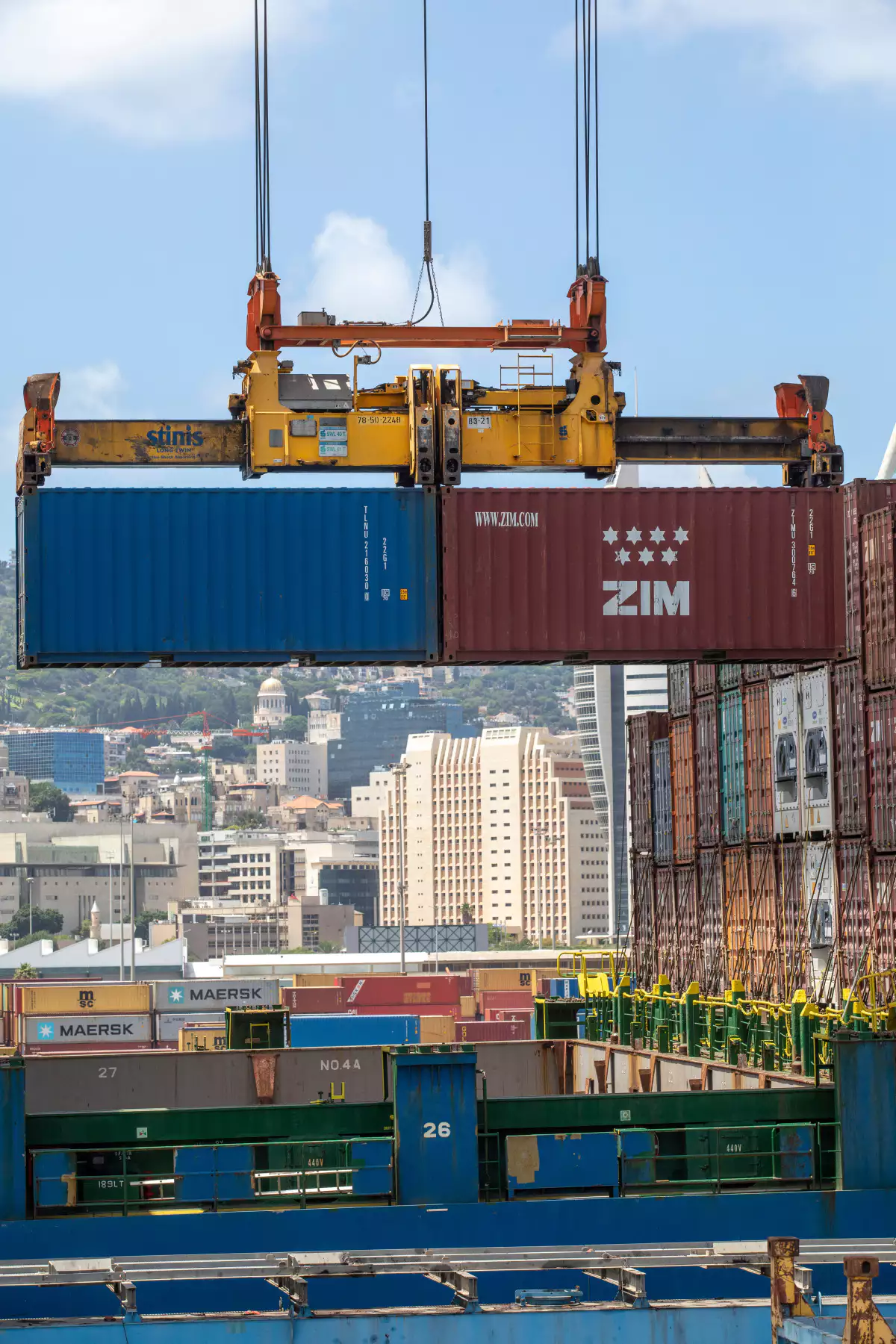
The transaction is not a standard acquisition in which a company is purchased outright and shares divided among partners. Instead, the structure effectively splits the company in order to navigate regulatory hurdles in Israel.
ZIM, originally founded in 1945 by the Jewish Agency as ZIM Palestine Navigation Company Ltd., was established before the creation of the State of Israel as a national shipping line. Among those who pushed for its establishment were David Ben-Gurion, who would become Israel's first prime minister, and David Remez, later the country's first transportation minister.
In early 1970, the state sold 50% of ZIM's shares to Israel Corporation. During Prime Minister Benjamin Netanyahu's first government in the late 1990s, a decision was made to privatize the company as part of a broader plan to privatize most state-owned enterprises.
Hapag-Lloyd's shareholder base includes investors from Saudi Arabia and Qatar, holding approximately 10% and 12% stakes, respectively. That ownership structure is expected to complicate Israeli regulatory approval of a full acquisition. As a result, Hapag-Lloyd will purchase only the shipping lines that do not operate in Israel.
The routes connecting Israel to the rest of the world, considered strategically vital in times of emergency, will be transferred to FIMI. In theory, this arrangement is intended to satisfy Israeli regulators, given the importance of maintaining national maritime links during crises.


