


The Israeli strike on a natural gas facility in Iran followed discussions between Israel and the US at multiple levels, both military and political, and was coordinated and agreed upon, three American and Israeli sources said Thursday, contradicting statements by Trump.
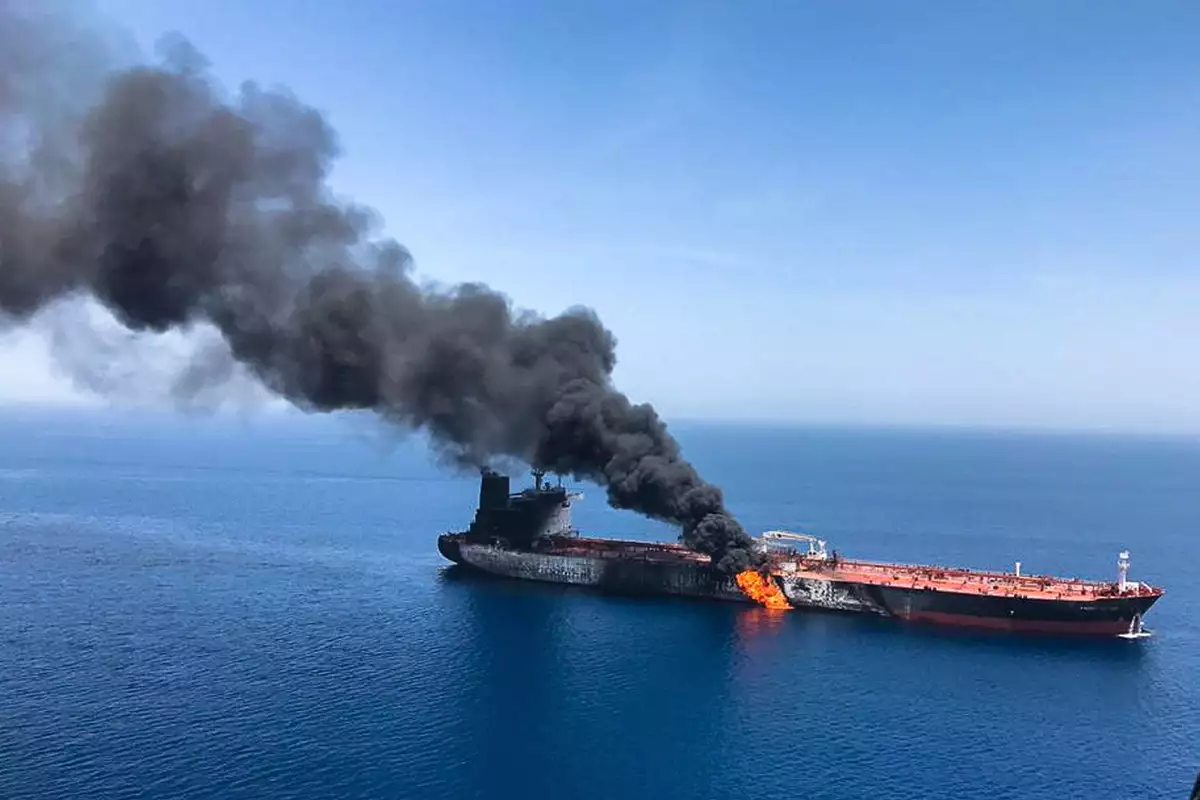
According to the sources, the strike was intended to address two urgent issues. The first was Iran's attacks on energy facilities and reserves in Israel and in Gulf states. The second was to pressure Iran over its disruption of shipping through the Strait of Hormuz.
The strike further intensified the debate over whether energy facilities and fields should be added to the list of military targets. In practice, however, it was Iran that initiated such attacks, both against Gulf states and Israel. The strike that caused damage at the Bazan oil refinery complex in Haifa was not from the first missile fired at the area.
From the early days of the conflict, Iran attempted to hit Israeli energy infrastructure targets, including facilities in Haifa and elsewhere. Hezbollah joined these efforts more aggressively. Analysis of the launches indicates coordinated attempts by both Iran and Hezbollah to fire simultaneously at Haifa in order to overwhelm air defense systems.
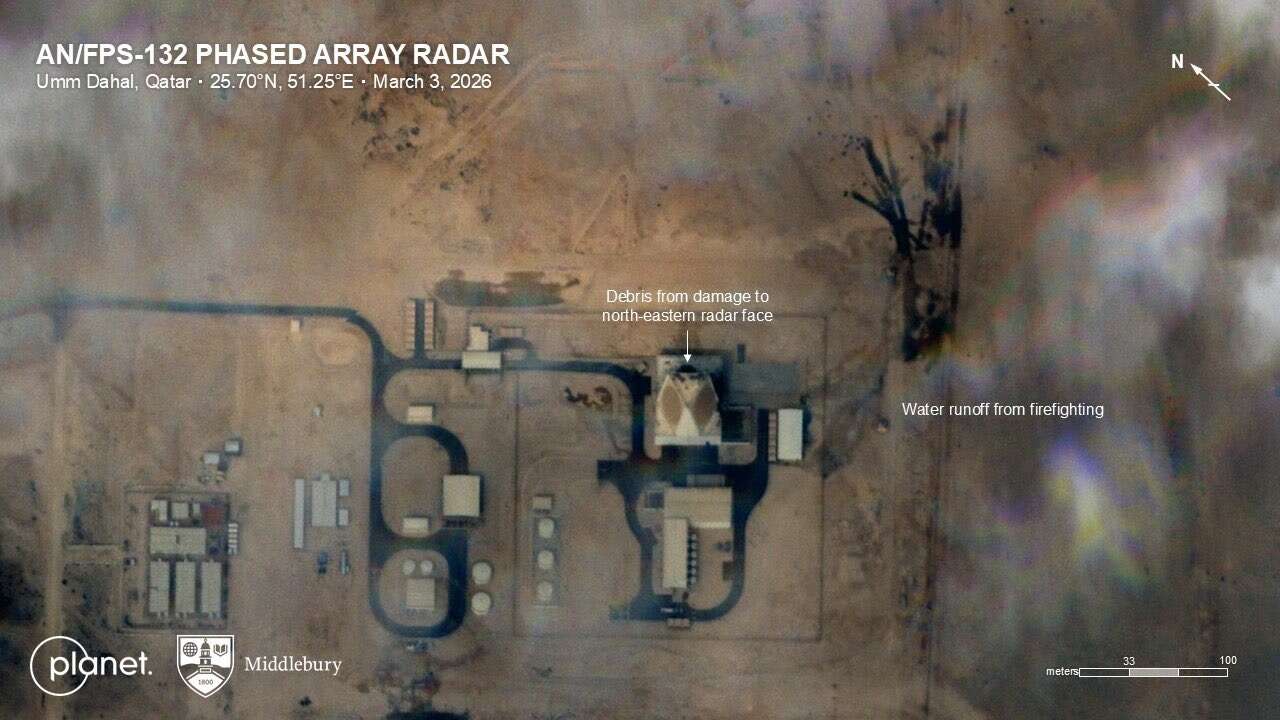
Gulf states have also suffered hits to energy infrastructure since the beginning of the fighting. Particularly notable were strikes on Qatar's natural gas facility in the shared field with Iran, as well as on oil installations in Bahrain, the United Arab Emirates, Kuwait and Saudi Arabia. Even Oman, considered the Gulf state closest to Iran, sustained damage to oil reserves and ports.
Despite this, Gulf states refrained from participating in US strikes on missile launchers and drone facilities on Iranian soil due to internal disagreements. The Americans, as previously reported, expressed frustration over this, and the decision was ultimately made to proceed with the Israeli strike. Iran's retaliatory attack demonstrated that it still has the capability to inflict damage, even if its current level of activity is less than 10% of its prewar capacity.
Qatar's strategy
The current campaign has deepened tensions among Gulf states. On one side are Qatar and Oman, and on the other the United Arab Emirates, Bahrain, Saudi Arabia and the more discreet partner, Kuwait. Qatar, whose losses from the halt in natural gas exports have already reached tens of billions of dollars, with reconstruction expected to cost tens of billions more, has opted for a different approach: blaming Israel for the war in the hope Iran will reduce its attacks on Qatari facilities.
Although Qatar expelled most of Iran's embassy staff from Doha and issued strong condemnations of Iran, its former prime minister, Hamad bin Jassim al-Thani, wrote that "through attacks on Iranian facilities, the enemy Israel is achieving its objectives."
Princess Al Anoud bint Mohammed al-Thani expanded on what she described as a premeditated Israeli "trap" designed to damage Qatar's infrastructure and reinforce Iran's image as a villain. So far, this approach has not yielded results, and Iran continues to attack targets in Qatar. In contrast, Saudi Arabia has escalated its rhetoric against Iran.
Hormuz out of the equation
Saudi Foreign Minister Prince Faisal bin Farhan accused Iran of crimes against Arabs and Muslims across the Middle East. According to Gulf-based Arab commentators, Iran's attacks could lead Gulf states to launch retaliatory strikes.
A Western diplomatic source said there are attempts at unofficial contacts with Iran aimed at removing both the energy sector and the Strait of Hormuz from the war equation.
France, Russia, China and India are involved in this mediation effort, the source said, but the chances of success are low due to Iran's aggressive conduct and reservations from the US and Israel.
The involvement of these countries is not coincidental. In the emerging energy war, they are among the main losers due to rising oil and gas prices. Price data shows a gap between US and Atlantic oil, which traded at just over $100 per barrel, and Gulf oil, which rose to $120-130.
The implications are significant. American consumers have not experienced a sharp increase in fuel prices at the pump, giving Trump more time to manage the war and increase pressure on Iran. By contrast, China, India and much of East Asia are facing a crisis that is pushing them to pressure Iran to back down. An indirect result of this price gap is a commercial and economic advantage for the US over Europe and Asia.
This dynamic, along with testimony by CIA Director John Ratcliffe in the House of Representatives supporting the president's decision to go to war, is contributing to growing public support for the war in the US.
The threat will return
The current assessment is that most Israeli and American objectives have already been achieved, but there is a key difference between the two countries. While the US seeks to change the behavior of the Iranian regime, Israel is working to create conditions for its replacement. The Israeli view holds that the nature of the current Islamist regime will inevitably lead to the rebuilding of Iran's military capabilities, and that within a few years, the threat that now appears largely neutralized will reemerge.
Most Gulf states share this assessment. Recent reports indicate that Saudi Crown Prince Mohammed bin Salman and UAE President Mohammed bin Zayed urged Trump in recent talks to ensure a long-term removal of the Iranian threat.

When will it end? Intelligence and assessment officials familiar with the war estimate that within up to two weeks, most of Iran's offensive capabilities, including missile launchers and drones, will be neutralized, first in relation to Israel and later in relation to the Gulf states.
At the same time, internal instability within Iran is increasing. There are growing numbers of defections and refusals to follow orders. Commanders and officials appointed to replace those eliminated are struggling to manage both the military campaign and governance, and a sense of chaos is spreading.
Military analyst Col. (ret.) John Spencer said entire layers of leadership, networks, institutional knowledge and personal authority have been wiped out simultaneously. This is not the loss of a single leader, he said, but the destruction of interconnected systems of control, decision making and enforcement. The likelihood of reaching a point of no return in terms of regime collapse, according to current assessments, is increasing.


