


Without American backing, representatives of nearly 35 countries are gathering Thursday for an urgent virtual summit in an effort to apply diplomatic and political pressure for the reopening of the Strait of Hormuz.
The critical shipping waterway, through which much of the world's oil and gas supply passes, was blocked following the war, triggering a dramatic spike in energy prices worldwide.
Iranian attacks on commercial vessels, along with growing threats to strike additional ships, have brought traffic along the route connecting the Persian Gulf to the oceans to an almost complete halt. British Foreign Secretary Yvette Cooper, who is leading the summit, is expected to discuss a series of measures with her counterparts.
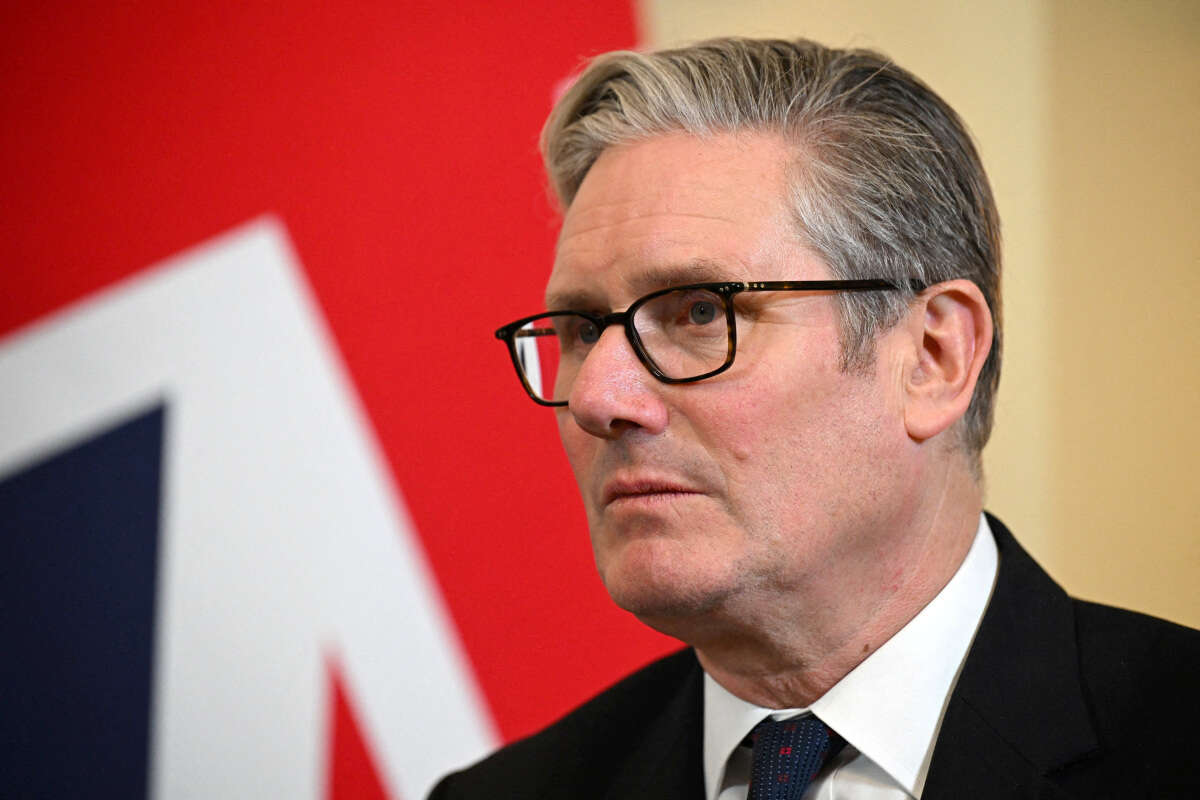
British Prime Minister Keir Starmer said the meeting would "assess all the diplomatic and political means we can take to restore freedom of navigation, ensure the safety of sailors and trapped vessels, and resume the movement of essential goods."
"Get your own oil"
The most notable absentee from the gathering is, of course, the United States. President Donald Trump has made clear in recent days that securing the waterway is not part of America's role.
Trump sent a blunt message to US allies: "Go get your own oil." The remarks came alongside his renewed threats that the US could withdraw from NATO.
To fill the vacuum left by Washington, European countries are trying to demonstrate greater security independence. The current effort recalls the "coalition of the willing" established under British and French leadership to guarantee Ukraine's security. It is a not particularly subtle message to the Trump administration that Europe is taking responsibility for its own continental and economic defense.
So far, 35 countries, including Britain, France, Germany, Italy, Canada, Japan and the United Arab Emirates, have signed a declaration calling on Iran to stop its attempts to block the strait. The countries also pledged "to contribute to the appropriate efforts to ensure safe passage."

Avoiding a direct naval confrontation
Despite the emerging resolve, the summit is seen as an initial declarative step that will be followed by working-level discussions. At this stage, no country wants to try to reopen the strait by force as long as the fighting in the region continues and Iran is threatening to use shore-to-sea missiles, swarms of drones, fast attack boats and naval mines.
Still, Starmer revealed that military planning officers from several countries will meet soon to formulate a maritime security plan to be launched "after the fighting subsides." He said restoring normal activity in the Strait of Hormuz "will not be easy" and will require a united military and diplomatic front, along with close cooperation with the civilian shipping industry.


