


The United States has updated Israel that talks with Iran have reached a dead end. At the same time, the Americans are holding discussions with Gulf states about the continuation of the fighting. As part of those talks, it was agreed to intensify strikes on "economic" targets, mainly those tied to the Islamic Revolutionary Guard Corps, as well as civilian infrastructure used by the regime.
At this stage, no decision has yet been made to strike strategic targets such as major power stations or oil production and export infrastructure. However, the destruction of the bridge in Karaj and damage to factories not officially defined as clear weapons industries point to the direction of travel, as does the completion of the main military target bank.
Regarding the talks, a diplomatic source from the region said the main obstacle to progress toward negotiations was a lack of trust between the sides. The Iranians demanded an immediate ceasefire and guarantees that fighting would not resume if the negotiations ran into difficulties, based on their past experience.

The Americans, by contrast, demanded the full and unrestricted reopening of the Strait of Hormuz and the handover of all enriched uranium. According to the source, one American message referred to Iranian boasting that it possessed enough uranium for 10 bombs. Envoy Steve Witkoff revealed that statement, which was allegedly made during previous contacts. Even so, the talks have not stopped completely, and messages are still being passed through the mediation of two countries in the region, although it is unclear which Iranian party is involved.
Following President Donald Trump's address to the nation, assessments in Israel and the US are that the strikes will continue for at least the next 10 days. To that end, an expanded target bank has been prepared, aimed at making it harder for Iran to rebuild its military infrastructure over time, alongside damage to its economy and sources of revenue.
In essence, Trump's remarks about completing most of the war's objectives refer to several key matters.
The first is preventing nuclear weapons. According to assessments, most of the military nuclear project's infrastructure, as well as related infrastructure including missile arrays, has been destroyed. However, the fate of the enriched uranium remains unclear, and the assessment is that some of it has been buried under the rubble. Trump presented a monitoring mechanism based on satellite surveillance that would identify attempts to access the uranium and trigger further strikes.
The second matter is the military threat, chiefly the missile array. According to estimates, about 80% of the advanced missiles and more than 90% of the launchers have been destroyed, close to the goal but not full neutralization. Iran still retains a significant harassment capability and can still disrupt economic activity in the Gulf. On the other hand, Iran's air force and navy have been hit extensively, with the navy having been a central factor in controlling the Gulf. In addition, dozens of military industry factories, mainly in the fields of missiles, rockets and drones, have been destroyed.
The third matter is support for regional terrorist organizations. The economic damage to Iran is expected to reduce the scale of that support, particularly for terrorist organizations such as Hezbollah. At the same time, Hezbollah's activity against Israel indicates that the terrorist organization still constitutes a strategic asset for Iran, and support for it is therefore expected to continue, even if on a smaller scale.
The fourth matter is changing or weakening the regime. According to reports, that objective was defined as strategic during the meeting between Trump and Prime Minister Benjamin Netanyahu. At the same time, both sides assess that this is a complex goal that could take many months. The regime has not yet fallen, and it is unclear whether it will collapse, partly because of the weakness of the opposition and the absence of an alternative military force. Even so, the assessment is that its grip has weakened.
The fifth matter is the Strait of Hormuz. One of the US' main goals was to prevent harm to Gulf states, but so far that objective has not been achieved. Iran continues to attack targets in the Gulf, hit oil tankers and disrupt traffic through the strait. That situation has led to an increased American military presence in the region and diplomatic pressure on Iran. President Trump has also expressed frustration over the lack of European involvement, despite European countries' dependence on oil and gas from the Gulf.
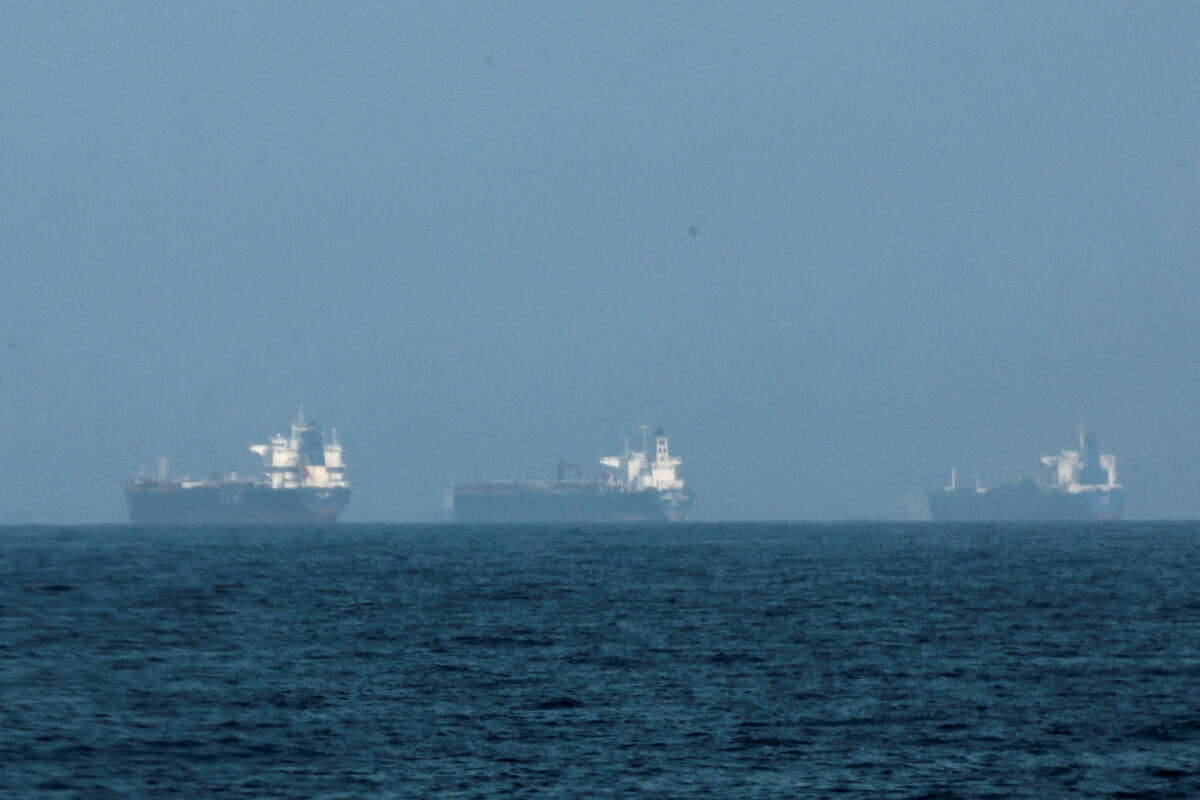
Even so, in Israel and the Gulf states the assessment is that the war will not end without a solution that leads to the reopening of the Strait of Hormuz and a return to prewar traffic levels.


