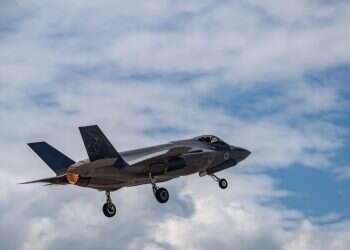
A US A-10 attack aircraft crashed in the Persian Gulf region, about an hour after an F-15 was shot down over Iran, The New York Times reported, citing two US officials. According to the report, the pilot was rescued safely. At the same time, NBC reported that two Black Hawk helicopters were damaged during the rescue mission for the F-15 crew, and one of them was forced to cross into Iraq.
The officials declined to provide further details about the circumstances of the A-10 crash or its exact location.

What is the A-10 and how does it operate?
The A-10 Thunderbolt, affectionately known as the "Warthog," entered service with the US Air Force in the 1970s and first made its name during the 1991 Gulf War, when it destroyed columns of Iraqi army armor. Unlike fast fighter jets, the A-10 was designed to fly low and relatively slowly, allowing it to remain over the battlefield for an extended period of time and attack smaller, fast-moving targets.
The A-10 is armed with a 30 mm rotary cannon capable of firing nearly 4,000 rounds per minute. It can also carry a wide range of weapons and precision-guided munitions for ground strikes and against aerial threats.
The aircraft was originally designed for one mission: close air support for ground forces on the battlefield. But for years, the US has debated its future. The US Air Force has sought to retire it in favor of more advanced aircraft, while Congress has repeatedly blocked those efforts. In December 2025, Congress again limited the Air Force's ability to phase out the aircraft, ordering that at least 103 A-10s remain in service through September 2026.
As part of Operation Epic Fury, US Central Command has used the A-10 primarily to hunt fast boats operated by Iran's Islamic Revolutionary Guard Corps in the Strait of Hormuz.
Rescue efforts and the scenario in hostile territory
As US forces continue a search-and-rescue operation for one of the crew members of the F-15 shot down over Iran on Friday, the US aviator, if he survived the hit, is likely carrying out the procedure known in the US Air Force as SERE, for survival, evasion, resistance and escape.
According to Fox News, US and Iranian forces exchanged fire during the rescue mission for the first crew member, and the search for the second is continuing.
The rescue operation itself is expected to face difficult conditions, including hostile terrain, antiaircraft fire and shifting weather conditions in the Iranian desert.
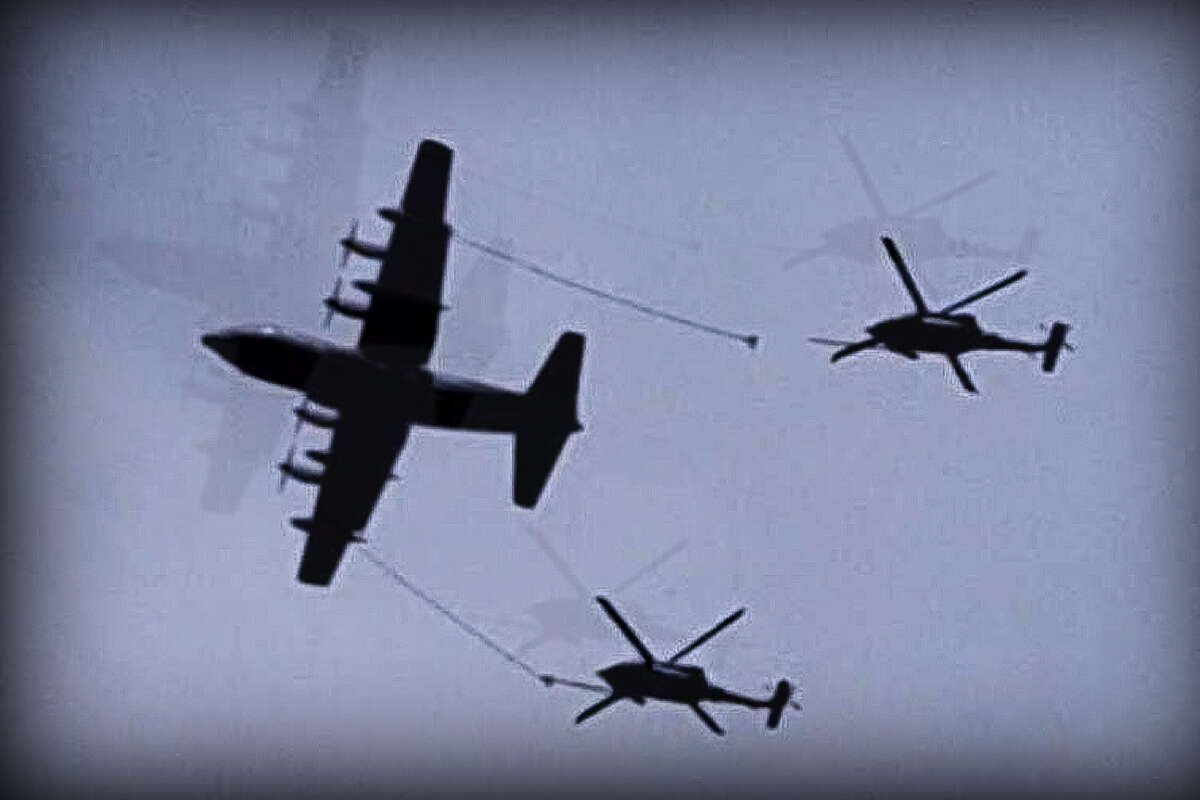
The latest events add to a series of incidents and operational accidents experienced by the US Air Force since the war began.
Since the war broke out on Feb. 28, the US Air Force has lost several aircraft. On March 2, three F-15s were shot down over Kuwait by friendly fire from a Kuwaiti aircraft, with no casualties among the crew, who managed to eject.
In addition, a KC-135 refueling aircraft crashed in Iraq after colliding with another refueling plane, killing all six crew members. On March 19, an F-35 was hit over Iran and was forced to make an emergency landing at a US base in the region.
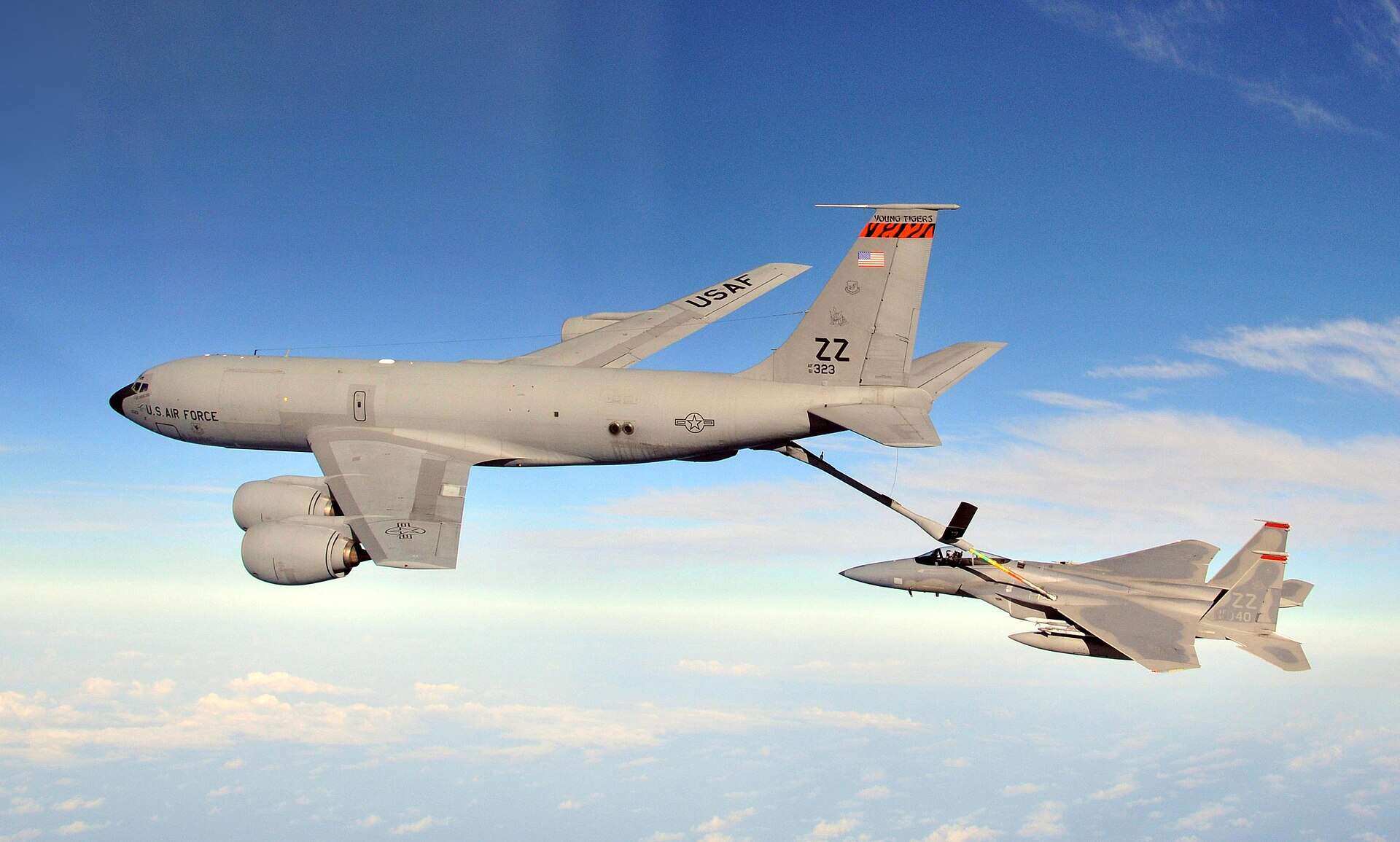
Also, on March 13, five more KC-135 refueling aircraft were damaged in an Iranian drone attack on Prince Sultan Air Base in Saudi Arabia. On March 27, an E-3 Sentry airborne warning and control aircraft was damaged in another attack on the same base.
During the 1991 Gulf War, over 43 days of fighting, the coalition lost 75 aircraft, including 27 planes and 15 helicopters lost by the US. During the 2003 invasion of Iraq, only three US aircraft were shot down, one of them by friendly fire.