Iran is demanding that Pakistan amend its ceasefire proposal, chiefly by making the ceasefire permanent and applicable to Lebanon as well, in exchange for removing the Iranian threat to the Strait of Hormuz. At the same time, the Iranians told Pakistan that reopening the strait would not take off the table their demand to collect transit fees from the tankers and ships sailing through it.
The Pakistani proposal, one of several put forward by countries in the region, does not meet the basic US demands and is facing fierce opposition both from Gulf states suffering daily Iranian attacks and from Israel.
In exchange for a ceasefire, the United States is demanding not only the full and unconditional reopening of Hormuz, but also prior agreement to a complete shutdown of the military nuclear project, restrictions on missiles and an end to support and assistance for regional terrorist organizations. Iran is not willing to discuss those issues before a ceasefire begins and is also demanding compensation for war damage estimated at many tens of billions of dollars. It is using that argument to justify its demand for transit fees in Hormuz.

Focus shifts to major transport hubs
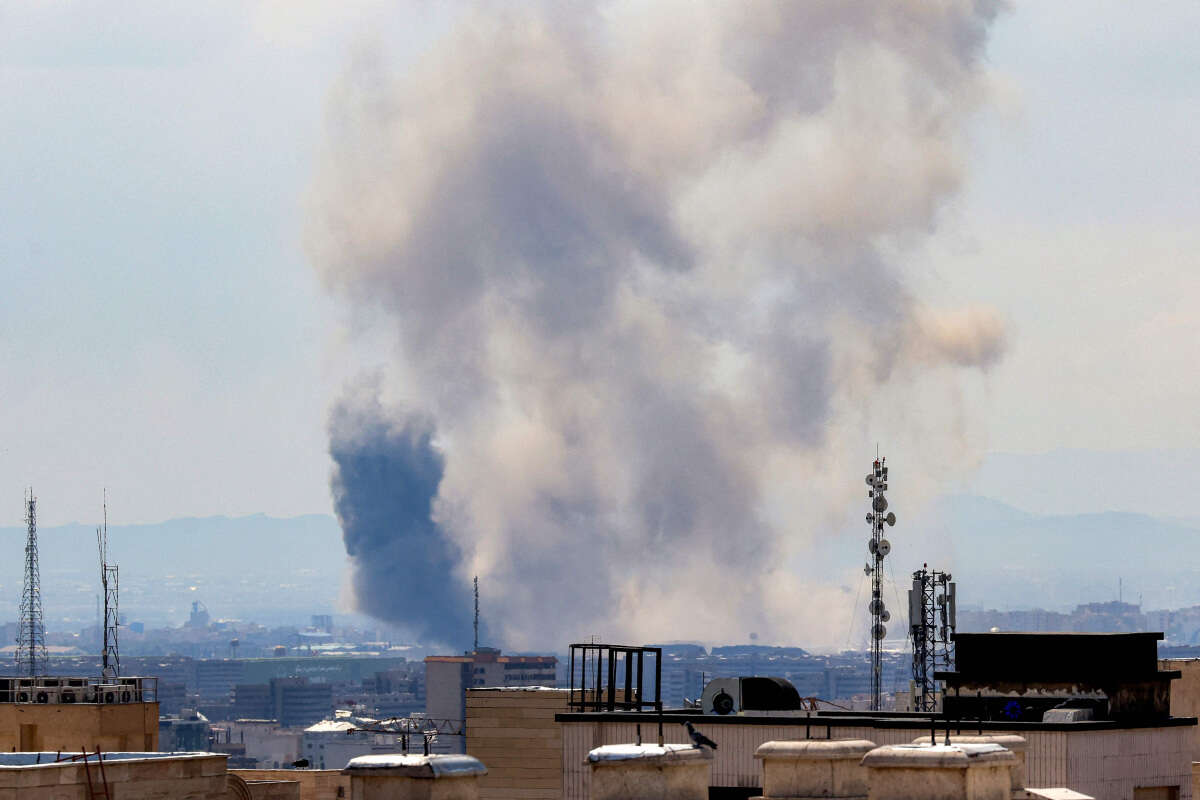
According to several political and diplomatic sources in the region and in the United States, the overwhelming majority of the dialogue is taking place through exchanges of messages via Pakistan, Turkey and Oman. Alongside these diplomatic contacts, the US military and Israel are preparing to continue and intensify strikes on Iran after the expiration of the ultimatum that Trump extended until 3 a.m. Israel time.
In recent days, there has been debate over the target bank for the expected intensified strikes. The issue of power stations was central, as were Iran's key oil facilities. Israel Hayom reported that in talks between US President Donald Trump and Gulf leaders, the latter raised concerns that Iran would respond with direct attacks on especially vital civilian infrastructure such as power stations, desalination plants, which supply most of the Gulf states' water consumption, and oil fields and facilities.
In addition, striking power stations would directly harm all civilians in Iran, while many regime facilities have independent generators that would reduce the impact on the regime itself. As far as is known, because of that concern the focus will shift to major transport arteries, bridges, main roads and rail lines. The IDF Spokesperson's Unit in Persian has already issued warnings to Iranian civilians to avoid train travel ahead of an expected strike. Paralyzing transport routes fits well with Trump's remark about sending Iran back to the Stone Age.
The industry hidden inside academia
A second focus of the strikes is factories and dual-use industries that serve Iran in military spheres under the cover of civilian factories, research institutes and universities.
For decades, the Islamic Republic has skillfully blurred the line between civilian and military fields and woven them into a single fabric. One of the research institutes that was bombed, the Pasteur Institute, was engaged in the research and production of biological and chemical weapons. It had previously been defined by foreign governments as an applied military institute and was therefore sanctioned.
Another institute at the University of Tehran was ostensibly engaged in civilian laser and plasma research, but in practice served as a research and applied infrastructure for the missile and nuclear industries. Another target that has already been bombed and remains in the target bank is Iran's steel industry in Mobarakeh and Khuzestan, which produced important components for the missile and drone industries, missile casings and drone airframes.
The third group in the target bank has been there since the first moment of the war: the assassinations of senior regime officials. On that front, Israel, primarily, and the United States have achieved enormous successes, the latest being Majid Khademi, the head of intelligence for the Islamic Revolutionary Guard Corps.
Khademi sat at the intersection of two of the system's most sensitive functions: protecting the Guards from infiltration and managing the intelligence arm responsible for suppressing protest. The United States placed a $10 million bounty on his head.

The top target still at large
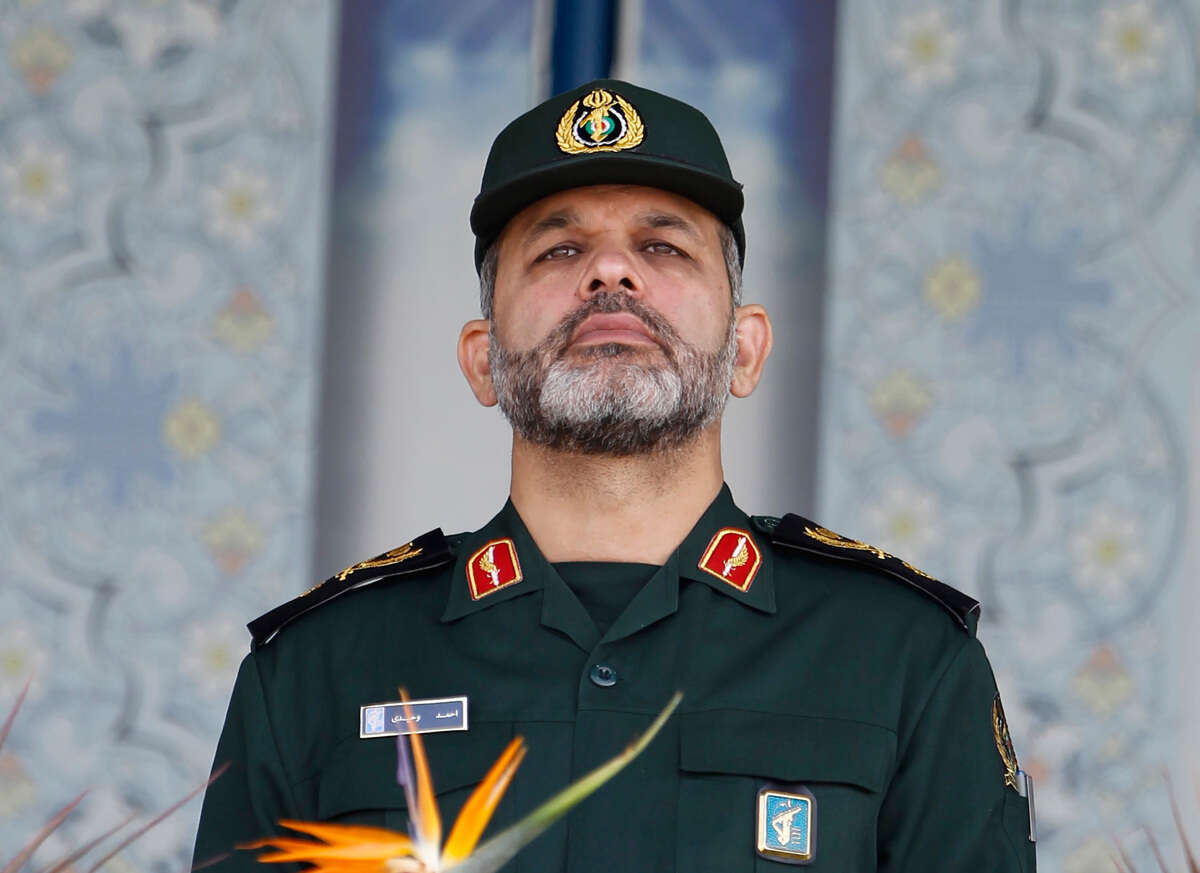
The biggest target still on the table is Mohammad Vahidi, the current commander of the Guards and the man holding the hard-line positions preventing progress toward negotiations to end the war. Vahidi has managed to evade more than one assassination attempt, and according to assessments he is hiding in bunkers built, just as in Gaza, beneath hospitals in Tehran.
The holiday of Second Passover is expected to include a decisive stage in the current war, and the results of the operations will lead to decisions on the continuation of the campaign. That next phase is expected to place greater weight on economic pressure on the Islamic Revolutionary Guard Corps, cutting off its pipelines of money, which is meant to bring about its final weakening and remove most of the threat to the region.