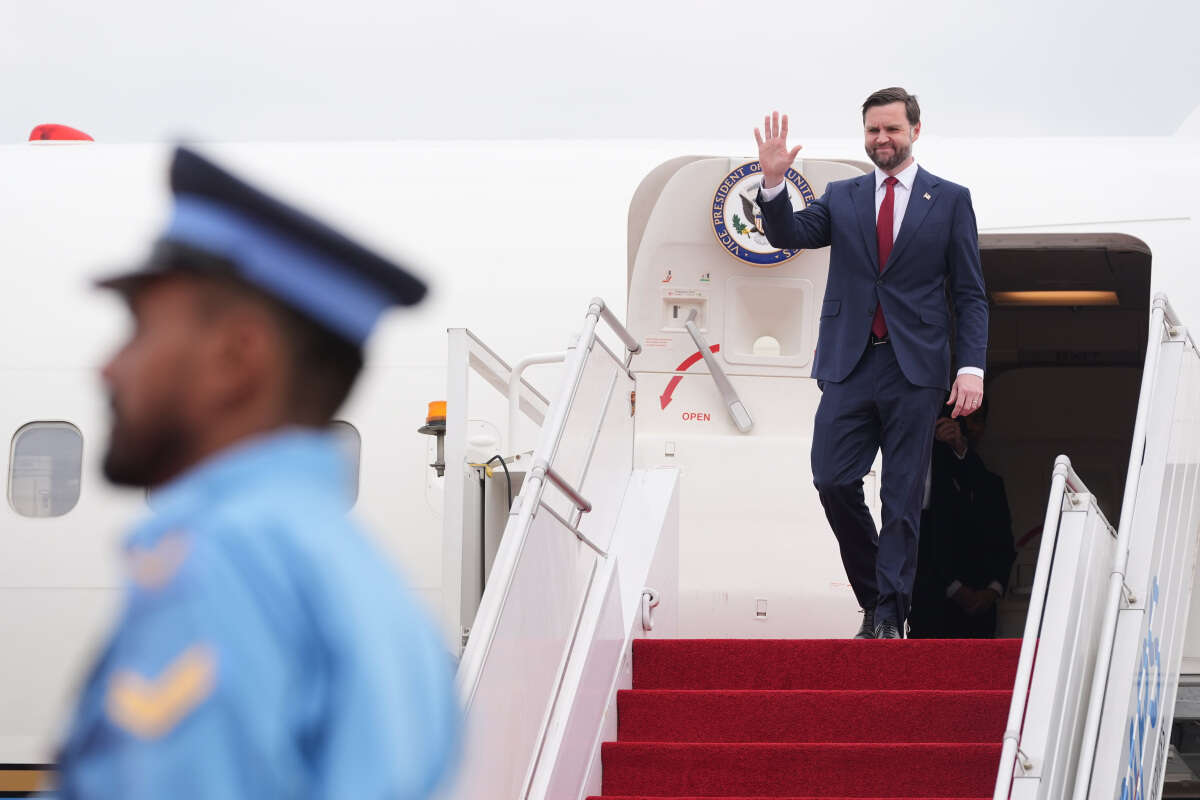
The American delegation for peace talks with Iran landed Saturday in Islamabad, Pakistan. As of now, Tehran is insisting on the preconditions it set for negotiations, including a ceasefire in Lebanon and the release of frozen assets.
A senior Iranian source told Reuters that Iran's proposals and red lines had been conveyed to Pakistani Prime Minister Shehbaz Sharif, and that they include the Strait of Hormuz, war reparations, the release of blocked Iranian assets and a ceasefire across the region.
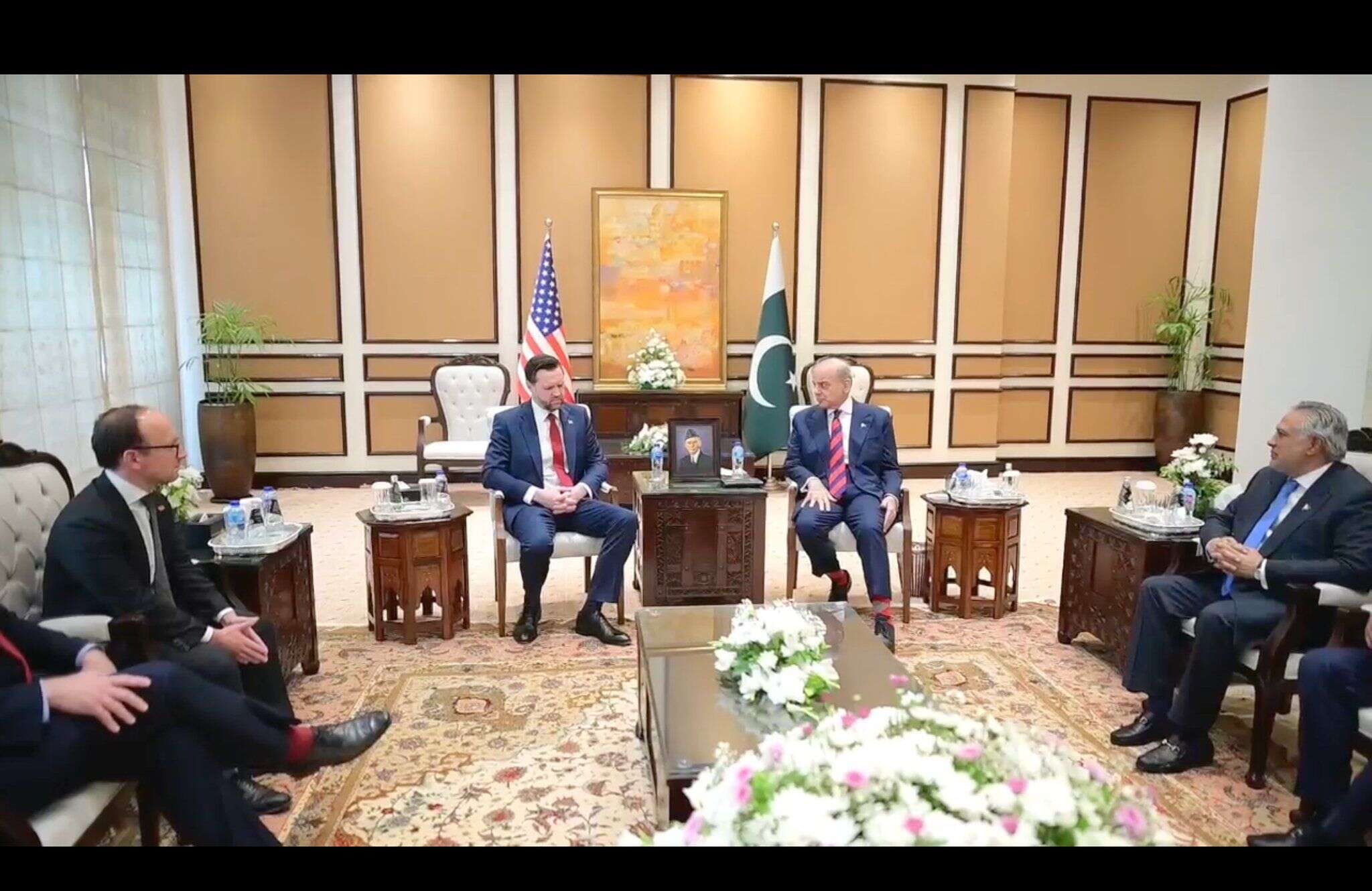
US Vice President JD Vance, who is leading the sensitive talks in an effort to preserve a fragile ceasefire and prevent a broader regional war, is meeting Pakistani Prime Minister Shehbaz Sharif. Joining Vance are US special envoy to the Middle East Steve Witkoff, President Donald Trump's son-in-law Jared Kushner and other senior mediators who will conduct the talks with Iranian officials in Islamabad.
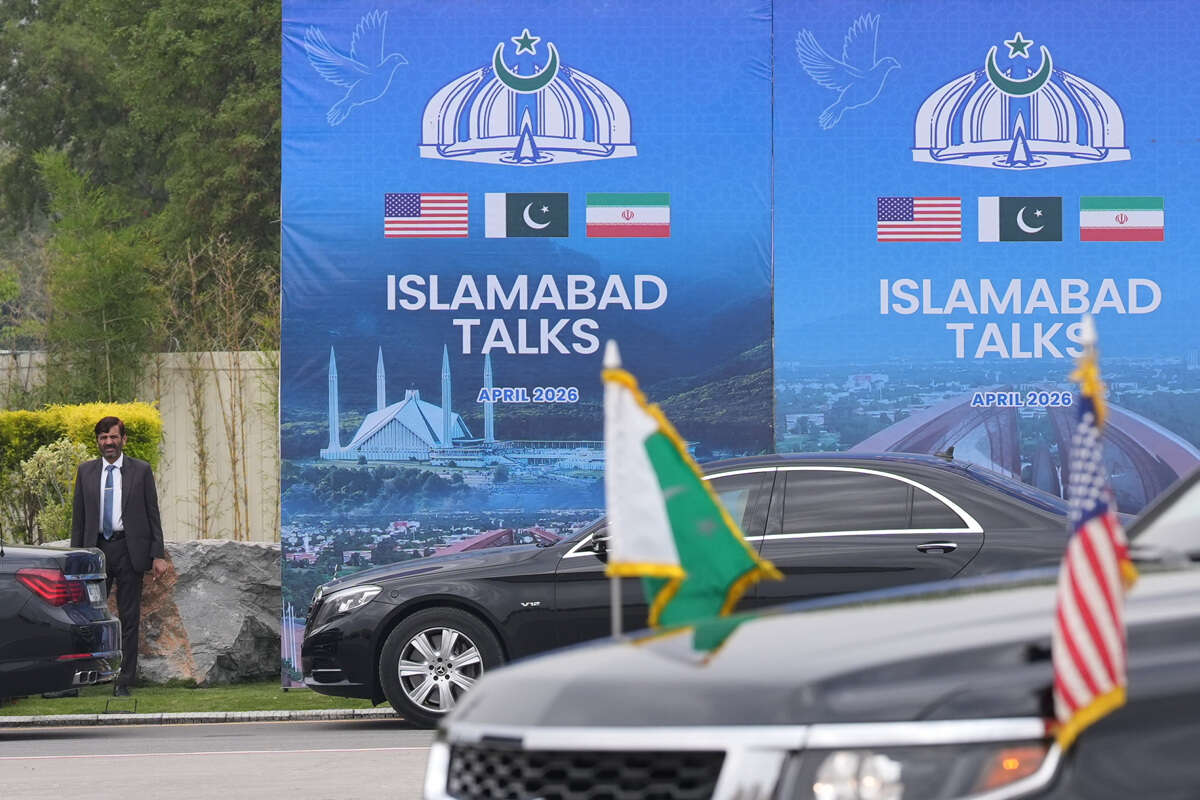
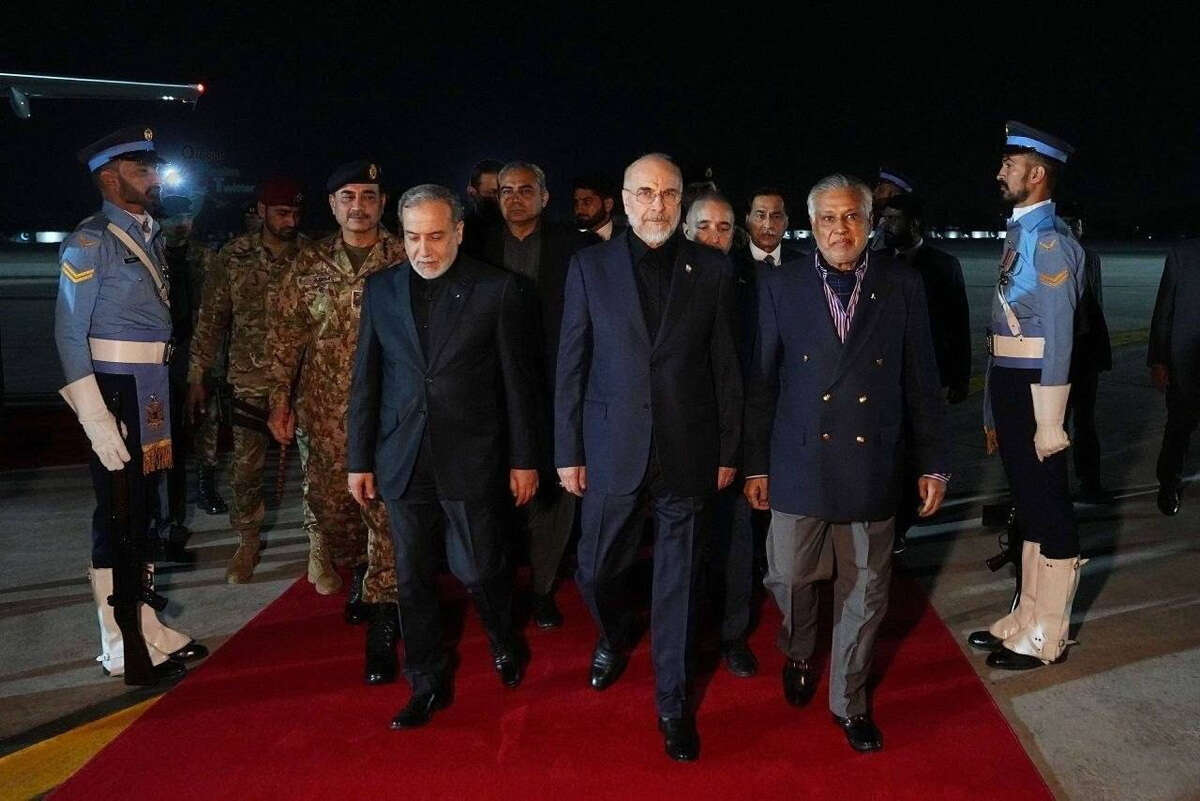
The Iranian delegation, headed by parliament speaker Mohammad Bagher Ghalibaf, a former officer in the Islamic Revolutionary Guard Corps, also arrived early in Islamabad under heavy security.
The Iranian delegation is especially large, with more than 70 participants. Alongside Ghalibaf are Foreign Minister Abbas Araghchi, Supreme National Security Council Secretary Mohammad Bagher Zolghadr, Supreme Defense Council Secretary Ali Akbar Ahmadian, and central bank governor Abdolnaser Hemmati. Also taking part are members of parliament and representatives of political, security, military, economic and legal committees.
Positive signals
A Pakistani official told the Qatari newspaper Al-Araby Al-Jadeed that there is an effort to persuade Iran to drop its preconditions and begin negotiations in a new spirit. According to the report, the Iranian delegation continues to insist that the US declare its commitment to all points of the temporary ceasefire before talks begin. The official said there had been positive signals from Iran.
At the same time, Iranian media reported that the Iranian delegation is threatening not to appear for talks with the Americans in Islamabad unless what it calls "threshold conditions," which it says the US agreed to during the week, are met.
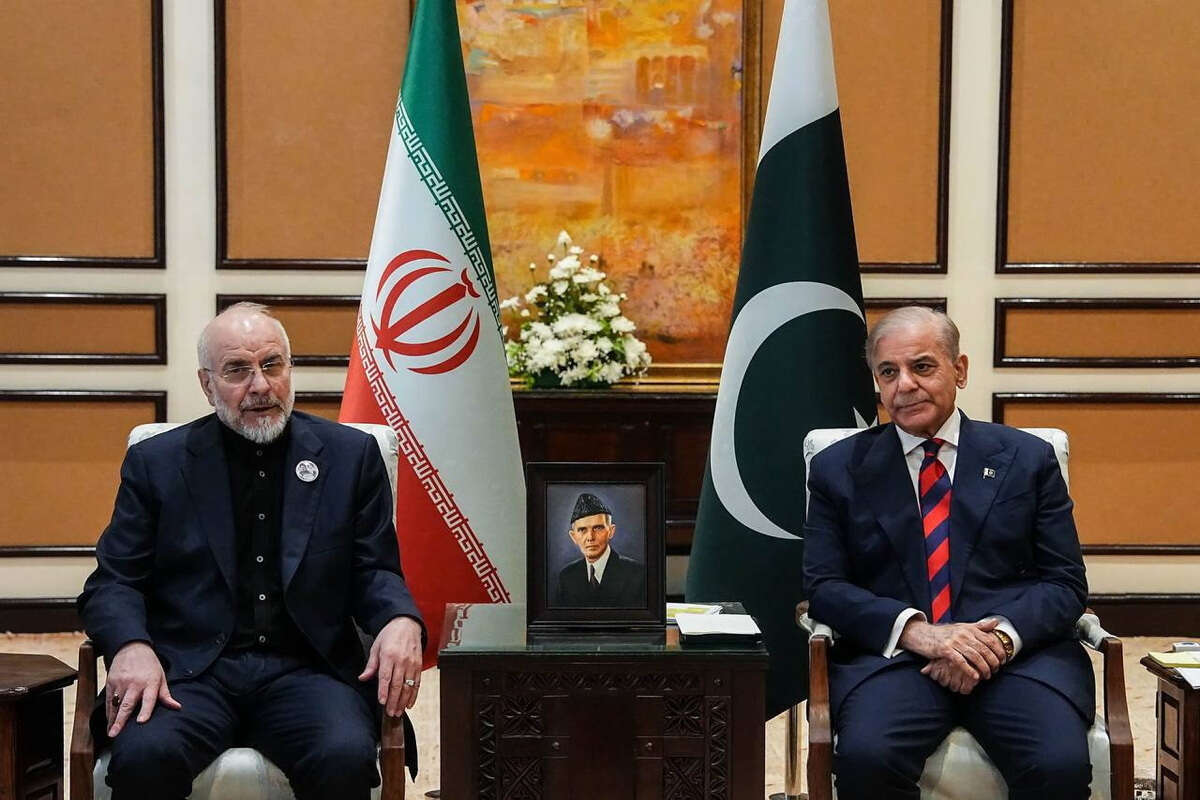
According to Tasnim, the news agency affiliated with the Islamic Revolutionary Guard Corps, the delegation headed by parliament speaker Mohammad Bagher Ghalibaf, with the participation of Foreign Minister Abbas Araghchi, arrived in Pakistan late Friday night and met with Pakistan's army chief, Asim Munir, protesting what it said was Washington's violation of the understandings.
According to the report, the Iranians claimed that the US had agreed to two conditions before the opening of negotiations: the release of frozen Iranian assets and a ceasefire in Lebanon. The issue of releasing Iranian assets was raised publicly for the first time yesterday in a post by Ghalibaf. According to the delegation, the understandings have not been implemented in practice.
Tasnim reported that the Iranian delegation has not yet decided whether it will take part in the talks with the American delegation. The Iranians had already threatened not to come to Pakistan at all unless a ceasefire in Lebanon was put in place.
"A false claim"
A senior Iranian official told Reuters that the US had agreed to release frozen Iranian assets held in Qatar and in other foreign banks. According to him, Tehran sees this as a test of American goodwill and a sign of seriousness regarding a lasting peace agreement. The official added that releasing the assets is also directly tied to guaranteeing freedom of passage through the Strait of Hormuz, even before any permanent agreement.
Two diplomatic sources familiar with the contacts said the claim made by the Iranian officials is false. According to them, there is no such promise. They said that while Iran had raised the demand in the talks, it was deferred to later stages, depending on progress in the negotiations.
One of the sources said Iran was behaving inappropriately and that the messages coming from it were at times contradictory, saiding the claim that Lebanon was part of the ceasefire had also been denied by President Trump, Vice President Vance and the White House press secretary, and had likewise been rejected as a condition for negotiations. He also said it was Iran that was failing to meet the opening conditions for talks because of delays in reopening the Strait of Hormuz, and that this did not bode well for the negotiations themselves.
The source attributed this to divisions within the Iranian leadership and to the inability of the political echelon, President Masoud Pezeshkian and Foreign Minister Araghchi, to control the situation and fully manage the negotiations.
The US and many other countries have frozen Iranian financial assets held in banks and other financial institutions outside the Islamic Republic. The largest share is in the US itself, followed by China and the United Arab Emirates. The UAE has effectively frozen those assets, even if it has not declared so publicly, while China continues to provide Iran with financial backing and in practice serves as its lifeline throughout the war.
Earlier, Iranian parliament speaker Ghalibaf said he was ready for a deal on condition that the US "offer a real agreement and grant Iran its rights," according to Reuters. He also said Iran "has goodwill, but no trust." Later, Ghalibaf posted a photograph from the plane to Pakistan showing four seats with pictures of children killed in an American strike on a school. He said the children were his "fellow passengers" on his way to talks with the US.
The talks beginning today are taking place more than a month after the US struck Iran on February 28 in a large-scale military operation targeting Iranian military infrastructure, after nuclear talks collapsed. The operation pushed the US and Iran to the brink of ground action before a fragile diplomatic breakthrough in recent days.
"Will they try to play us?"
Trump announced a two-week ceasefire on Tuesday and agreed to suspend further American strikes on condition that Iran reopen the Strait of Hormuz. Although Iran has signaled it would allow passage through the strait as part of the agreement, traffic there remains severely disrupted, and shipping companies are hesitant to resume normal operations because of security concerns and uncertainty over enforcement of the deal.
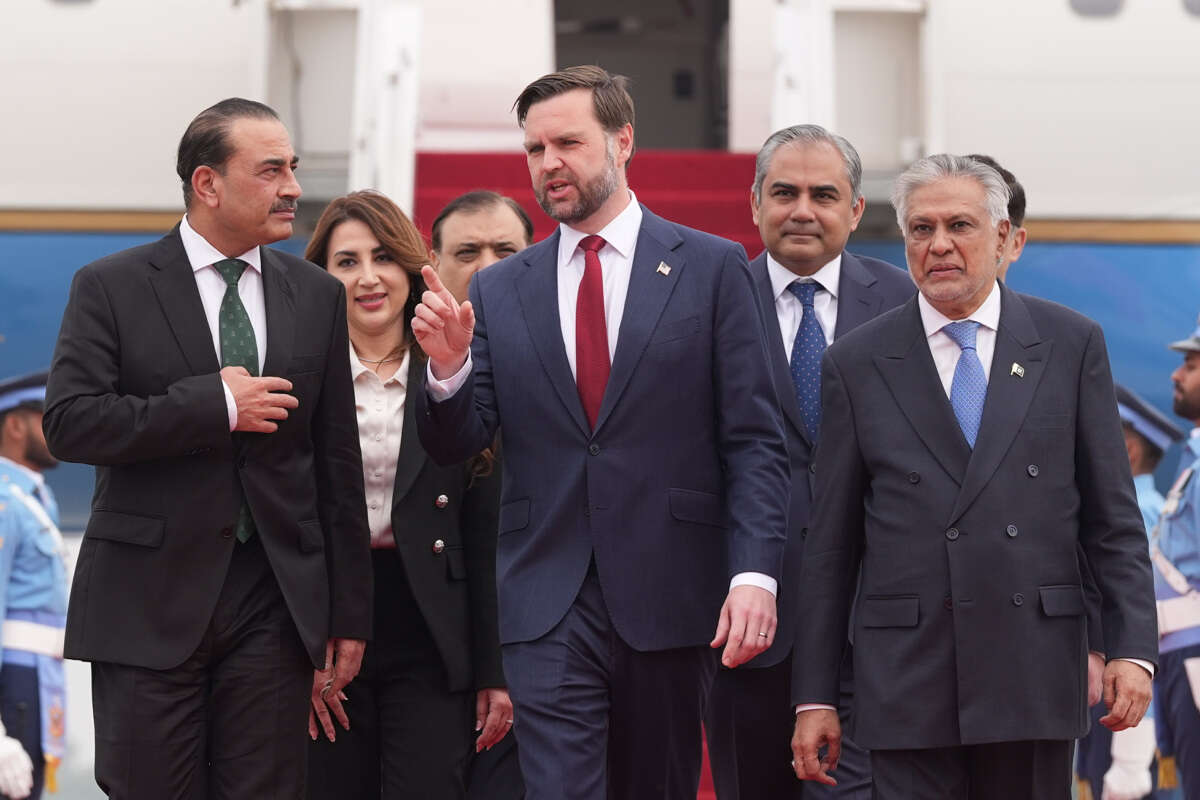
Vance struck a cautious tone, warning Iran not to test the US negotiating position. "If they try to play with us, they'll discover our team is not very patient," he said, while adding that he still expected the talks to be "positive." The outcome of the talks could determine whether the ceasefire holds or collapses into renewed fighting, with both sides still deeply divided after weeks of confrontation. Iranian officials voiced a cautious and conditional approach ahead of the contacts.
Iran's Supreme National Security Council announced that it had accepted the two-week ceasefire, but stressed that "this does not signal the end of the war," adding: "Our hand remains on the trigger" in the event of a violation of the agreement.
"A fragile truce"
Vance described the agreement as "a fragile truce." Iran has also linked the success of the ceasefire to developments in Lebanon, insisting that Israeli attacks against the Hezbollah terrorist organization stop as part of any broader agreement. Tehran warned that continued strikes could endanger the talks, a key point of dispute with Israel and the US, which say Lebanon is not included in the ceasefire.
Pakistan has become a central mediator, presenting itself as a neutral arena between Washington and Tehran after helping broker the initial truce. But its role is already under criticism. Pakistan's defense minister stirred controversy after calling Israel's actions "a curse on humanity" in a deleted post, and in another response told critics to "burn in hell."
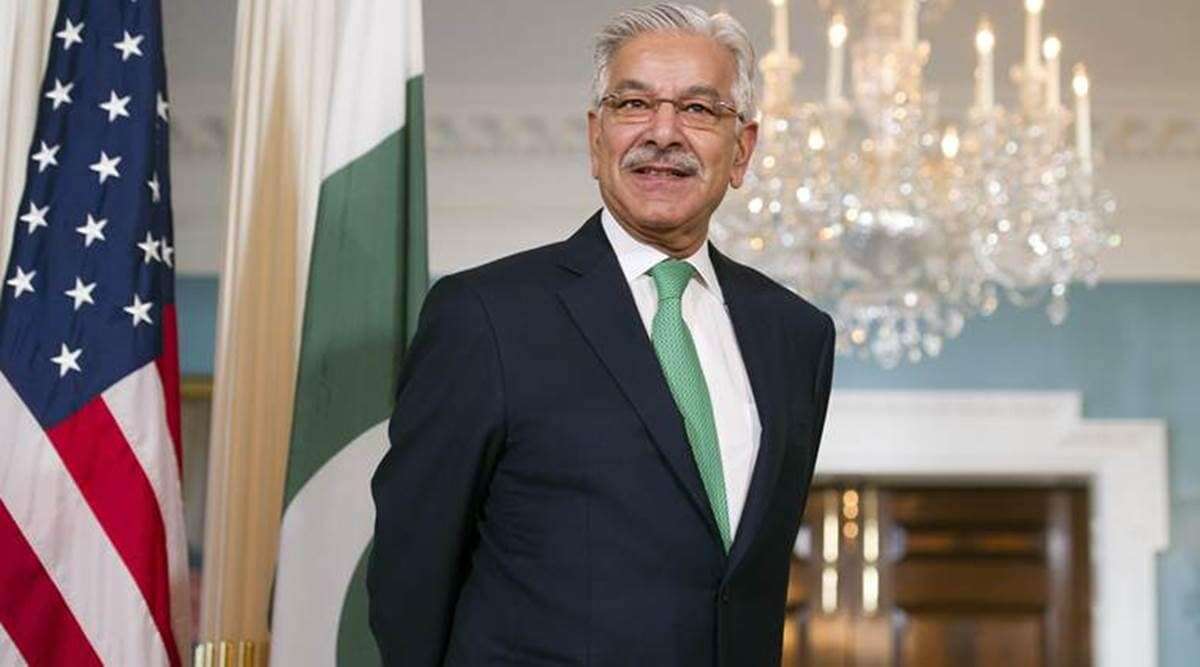
The remarks drew a sharp response from Israeli officials, who cast doubt on Pakistan's credibility as a neutral mediator, calling the comments "outrageous" and warned that such rhetoric was incompatible with the role of mediator. Israel's ambassador to India even said publicly: "We do not trust Pakistan."
Pakistani officials did not directly address the uproar surrounding Asif's remarks, but defended their overall role and stressed Islamabad's efforts to advance the ceasefire and the talks. Prime Minister Shehbaz Sharif called for "dialogue and diplomacy," and officials said both Washington and Tehran had expressed confidence in Pakistan's mediation.
The talks are also taking place against a complex security backdrop. American officials have long viewed Pakistan as a dangerous environment for official visits, with strict movement restrictions and heightened security measures. Bill Gage, a former Secret Service agent who toured Islamabad with former President George W. Bush, said the threat level in the country was considered among the highest ever faced by American security units, requiring constant coordination and enhanced precautions.