Iran has lost track of some of the naval mines it laid in the Strait of Hormuz and is unable to clear them, The New York Times reported, citing a US official who said that was the reason for the delay in reopening the critical shipping lane.
According to the report, the US also had difficulty tracking the small boats Iran used to lay the mines, and as a result there is uncertainty about the exact number of mines and their locations.
The report said the mine-laying began in early March, just days after Iran announced it was closing the strait to "hostile countries," a move that in practice shut it down to traffic.
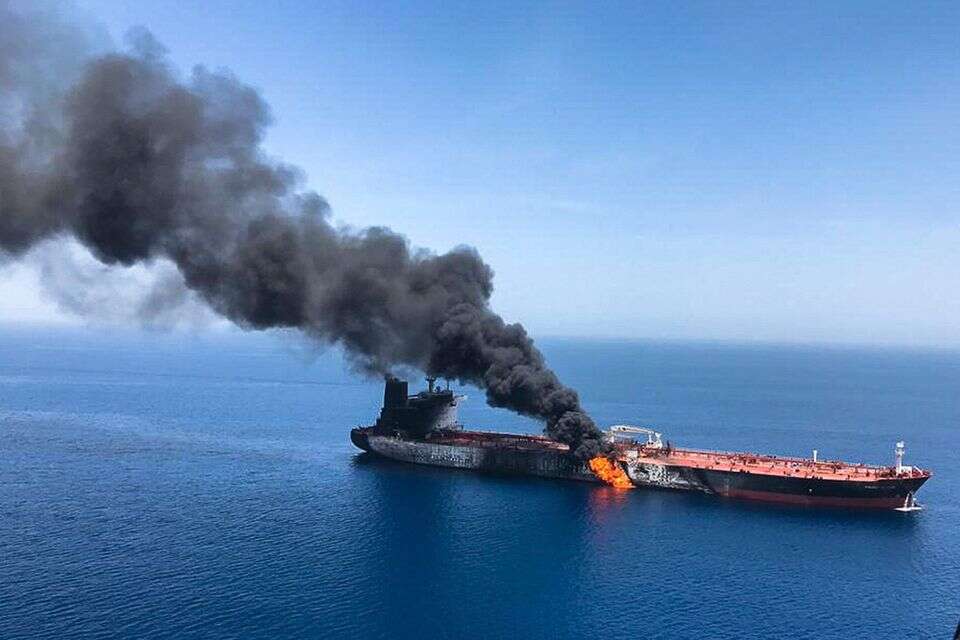
Since the strait was closed, Iran has allowed ships from countries close to it, as well as those that reached an arrangement with it, to pass through a shipping lane running through its territorial waters in exchange for payment of a "transit fee."
On Tuesday, Trump wrote on Truth Social that the ceasefire was contingent on the strait being opened "immediately, completely and safely." Iranian Foreign Minister Abbas Araghchi said the strait would be reopened to traffic "subject to technical limitations."
According to the report, US officials interpreted that wording as a tacit admission that Iran was unable to locate and clear the mines.
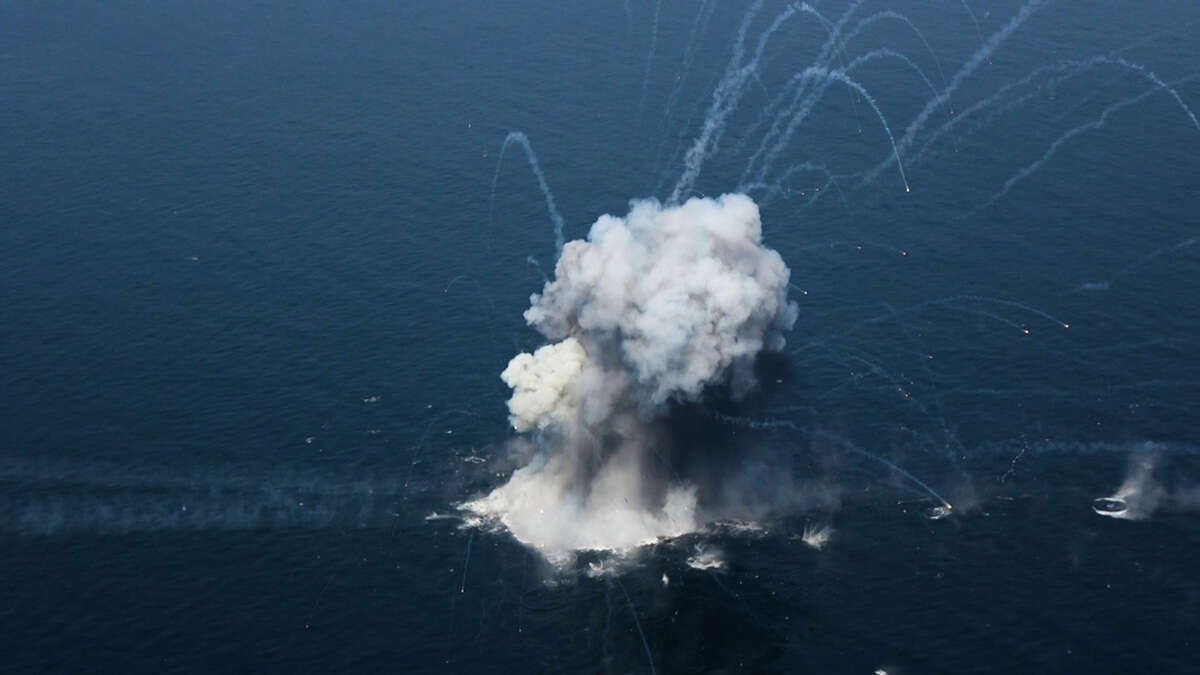
The report said Iran laid the mines in a haphazard manner and did not document the location of all of them. Some of the mines were laid in a way that allowed them to drift from the spot where they were dropped. According to the report, clearing naval mines is far more complicated than laying them, and Iran is not equipped to do so, even when it comes to mines it deployed itself.
The US military also lacks sufficient mine-clearing capability and relies mainly on warships operating near shore that are equipped with mine-detection systems.