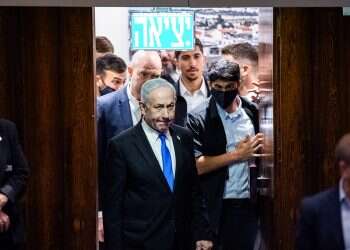
Sources in the political system who spoke with Prime Minister Benjamin Netanyahu in recent days came away with the impression that he is leaning toward changing his decision to hold the election as scheduled on Oct. 27 and instead move it up to Sept. 1.
Accordingly, the Likud primaries would be held in early July. The reason for moving the election forward is the erosion of achievements in the security sphere, and the static posture of the military in the security zones in Lebanon and Gaza because of what could be called "Trump restrictions." In such a situation, Netanyahu understands that the more time passes, the more the ongoing reality on both borders is likely to be used against him by the opposing campaign.
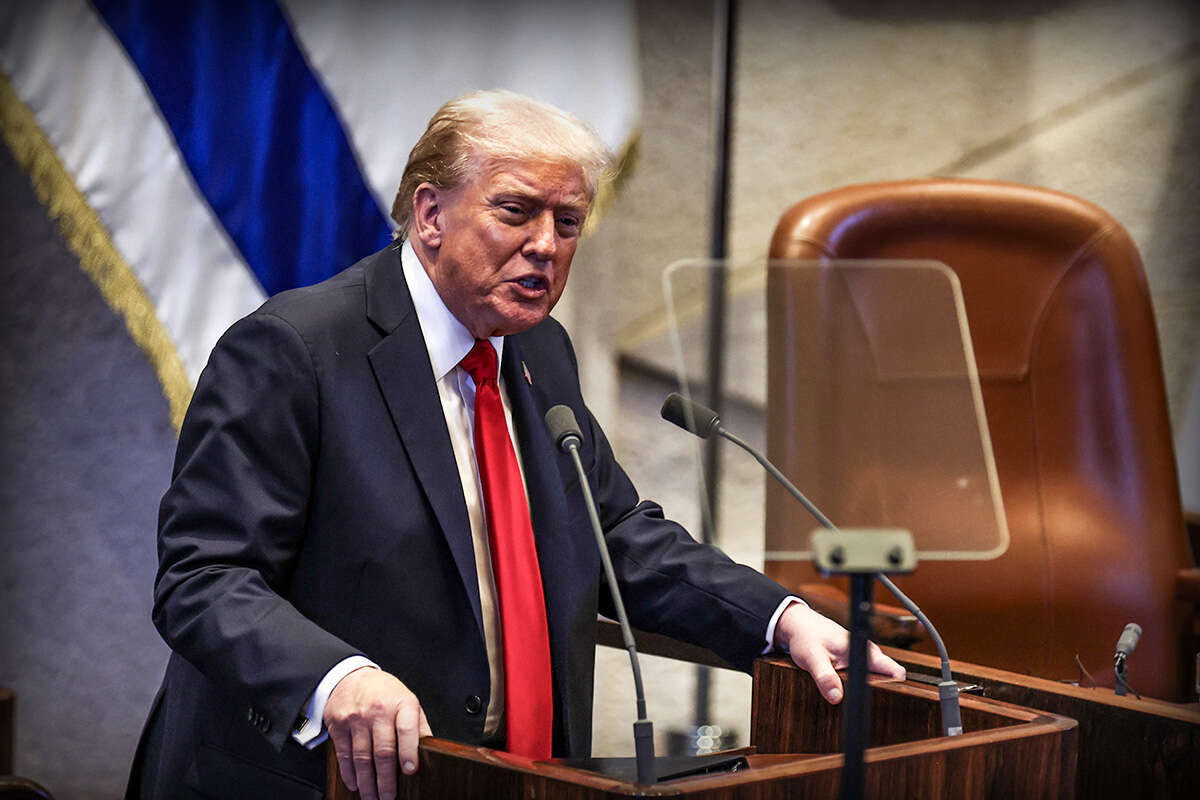
But Netanyahu is also dependent, in this domestic political decision, on President Donald Trump. In light of recent reports, it appears that the US president is considering another blow against Iran, given the resilience the Iranian regime is showing in talks and its unwillingness to reach an understanding on the nuclear issue. Such a military action would necessarily freeze political plans in Israel to move up the election, meaning the vote would be held as scheduled.

A significant achievement against Iran at this time, it should be noted, would also serve Netanyahu politically in the election campaign, and could even thaw the deadlock on the Lebanon front in favor of necessary military action against Hezbollah.
The ramifications of Trump's decision in the coming days will lead to one of two alternatives: If he decides to act, he will pull Israel into a state of alert that will delay the dissolution of the Knesset in one of the final weeks of May, and the election will be held, as Netanyahu initially believed, on Oct. 27. If Trump chooses, contrary to forecasts, not to strike Iran again, Netanyahu will instruct in the coming days that the Knesset be dissolved in the final weeks of May and will lead Israel to an election on Sept. 1.
A later date that month, as Israel Hayom previously reported, is not possible because of Shas Chairman Aryeh Deri's request not to hold the election close to Rosh Hashanah, which would cost the party half a seat due to voters flying to Uman. In the meantime, everyone, including Netanyahu, is waiting for Trump.