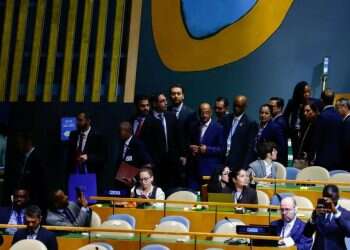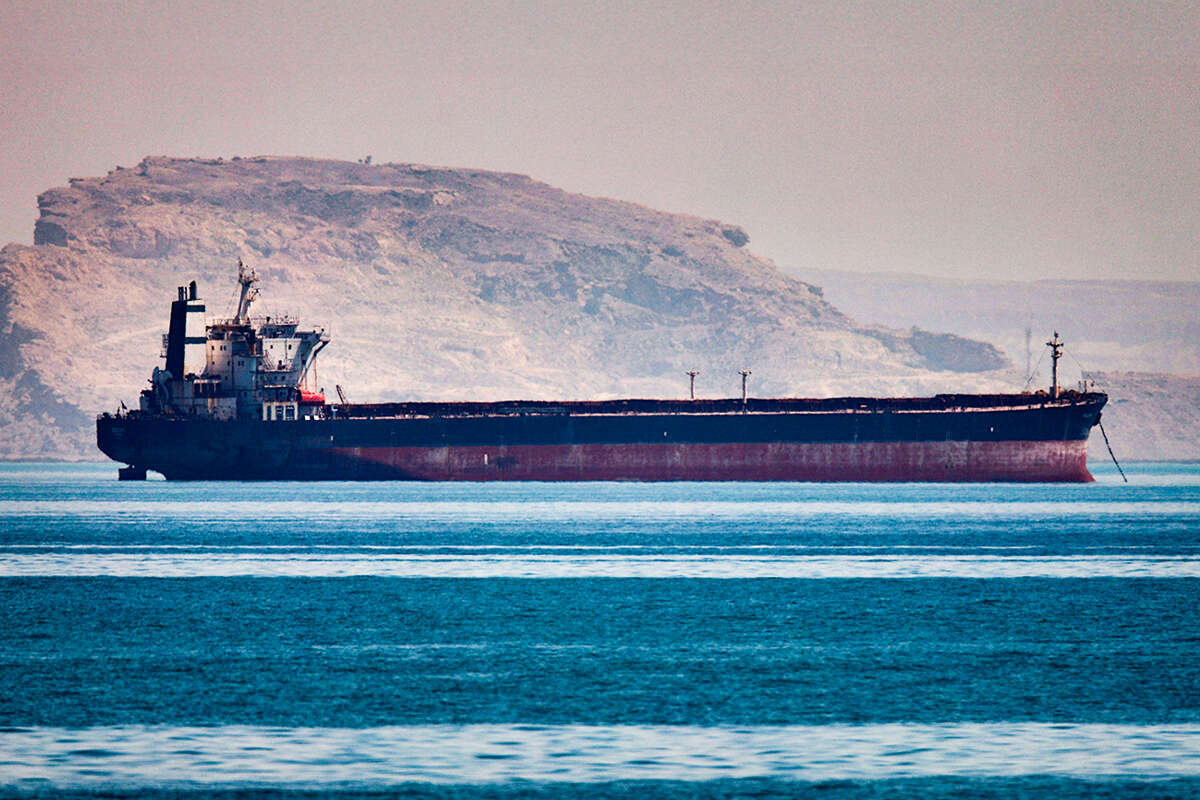
After a previous effort to ensure freedom of navigation in the Strait of Hormuz was blocked by a Russian and Chinese veto at the UN Security Council about a month ago, the US and Gulf states are for the first time advancing a new draft resolution on the issue. The move comes against the backdrop of Iranian actions to disrupt freedom of navigation in the Strait of Hormuz, and the US blockade of the ayatollahs' regime's ports in response.
The document was drafted by the US together with Saudi Arabia, Bahrain, Qatar, the United Arab Emirates and Kuwait, and is expected to be circulated to Security Council members.
US Ambassador to the UN Mike Waltz told reporters that the proposal focuses on Iran's actions in the Strait of Hormuz, including the laying of naval mines and attempts to charge fees for the passage of international commercial vessels. The US and Gulf states are advancing the negotiations this week and are seeking the resolution's rapid adoption, provided the consensus among the countries involved is maintained.

Waltz presented the issue not only as part of the confrontation with Iran, but as a matter of international law and freedom of global trade. The central message, he said, is that no country can "hold global trade hostage."
The draft states that the Security Council "strongly condemns" what it defines as Iran's "repeated attacks and threats" against commercial vessels, as well as actions intended to disrupt lawful passage through the Strait of Hormuz. Among other things, it cites the laying of naval mines and the imposition of illegal fees on ships' passage.
The proposal determines that these actions constitute a threat to international peace and security, wording that places the issue under Chapter 7 of the UN Charter and opens the door to possible enforcement measures later on.
The proposal reaffirms that all vessels and aircraft have the right to transit the Strait of Hormuz without unlawful interference, in accordance with international law, including the UN Convention on the Law of the Sea. It calls on Iran to immediately cease all attacks or threats against commercial shipping, as well as any attempt to delay or disrupt freedom of navigation.
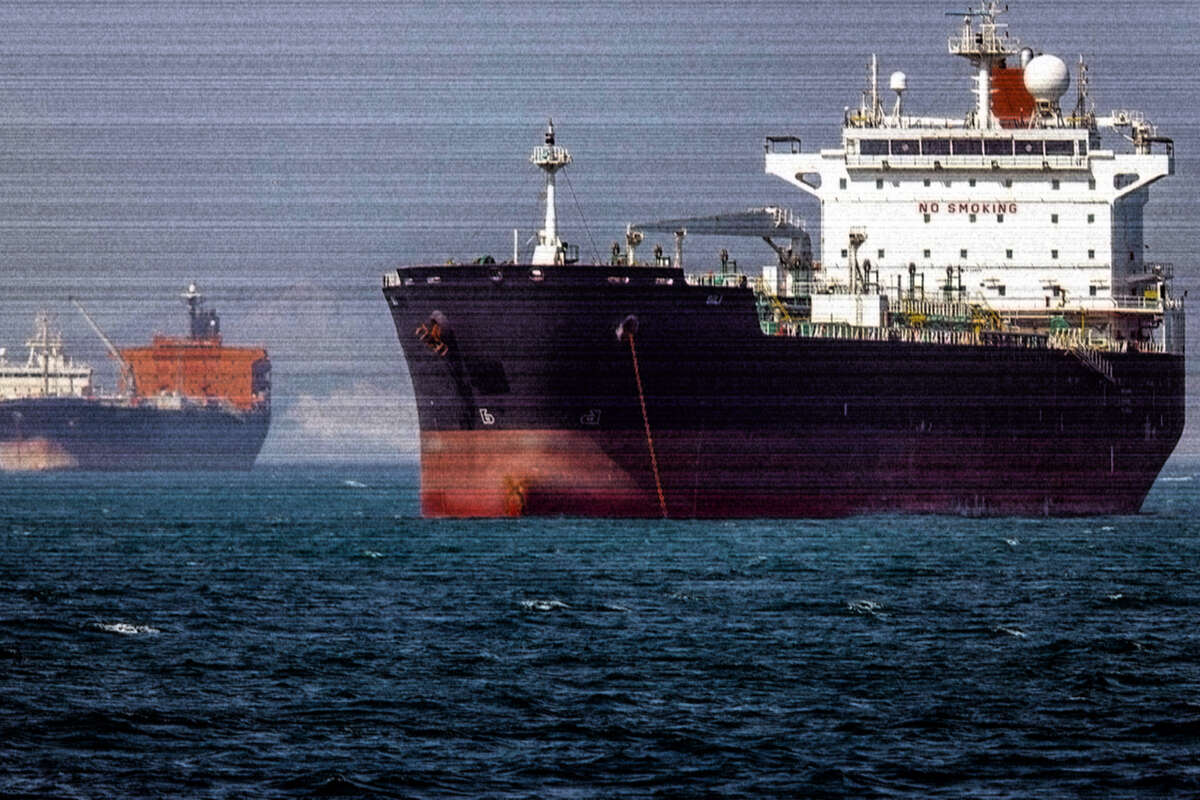
One of the central clauses in the draft demands that Iran disclose the number of mines it has laid and their precise locations in and around the Strait of Hormuz, and act to remove them. In addition, the proposal demands that Tehran refrain from interfering with international efforts to clear the mines.
Another clause calls on Iran to cooperate with the UN in establishing a humanitarian corridor in the Strait of Hormuz, intended to enable the flow of essential goods, including food and fertilizers, which the proposal says has been disrupted by the latest actions in the area.
The draft also includes a ban on any UN member state assisting Iran in closing the strait or restricting passage through it. At the same time, it reaffirms states' right to defend their vessels against attacks, in accordance with international law.
In doing so, the US and Gulf states are seeking to anchor the crisis in the Strait of Hormuz not only as a regional dispute, but as an issue with broad implications for the security of global trade, the supply of food and raw materials, and freedom of navigation in one of the world's most important maritime routes.