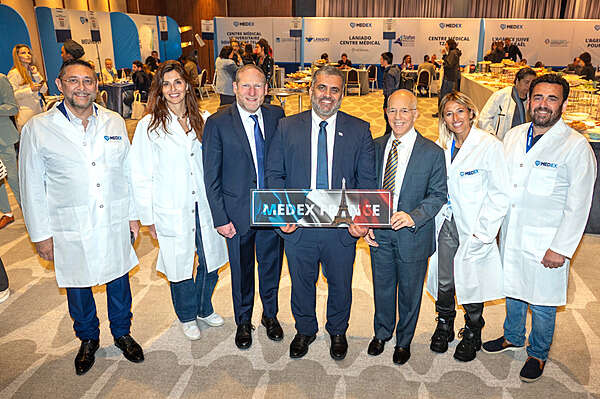
Testimonies about antisemitic incidents across Europe and the US, along with the growing Islamization in parts of Europe, formed the backdrop to the MEDEX conference for immigrants or olim who work in the medical professions, held earlier this week in Paris.
The conference is part of a national program led by Israel's Aliyah and Integration Ministry, the Health Ministry, the Negev, Galilee and National Resilience Ministry and the Nefesh B'Nefesh organization, in cooperation with the Jewish Agency. Its goal: to remove all the bureaucratic obstacles facing those who want to make aliyah and work in the medical field.
The 350 people who registered for the conference attest, as one doctor I met there put it, to the bleak future in Europe in general and for Jews in particular. At the same time, they also reflect the optimism and hope these professionals find in making aliya to Israel. At a time when there is a tendency toward self-flagellation over the internal problems in Israeli society, and when concern persists because of the security situation, a fresh look from the outside reveals that the good outweighs the bad.
"No future for them here"
Shaul Leon, 36, is a family physician who also practices aesthetic medicine at a private clinic. In an interview after arriving at the conference, he says he does not see a future for his four children in France. He also speaks about the connection to Oct. 7, a theme woven into every conversation with the interviewees.
"This is a decision that has been built step by step since Oct. 7. I am afraid my children will grow up in France, not only because they are Jewish, but also because of the economic impact. They have no future here. I don't want them to give their abilities and their future to France," he says, adding an interesting observation: "I think the Middle East is the new America in terms of opportunity."
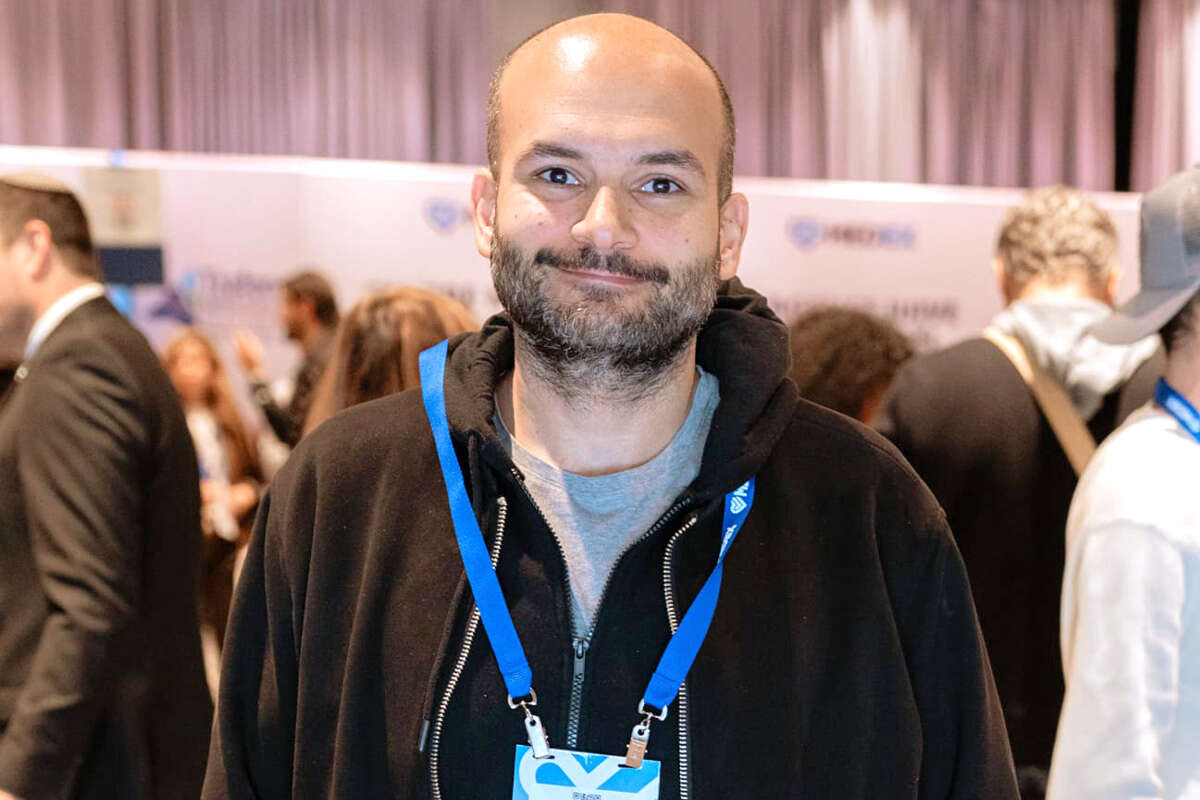
Leon, has a private clinic and an apartment he needs to sell before arriving in Israel toward the end of the year. At first, he plans to live with his family in an apartment belonging to his relatives in Herzliya Pituah, and despite his concerns, he already seems to have a clear plan.
"France is aging. Each family has 1.4 children on average, and there is the immigration problem. Even without being Jewish, you can see what is happening to France, and how Israel is actually green on all indicators among OECD countries. Five years ago, I would not have thought about Israel, but now it is clear to me. There is also the issue of taxes. In France they are very high, and they are high in Israel too, but I prefer to give my money to Israel."
The Jewish difficulty also rises to the surface, even though it is not the central consideration. "My father came to Paris from Tunisia because of antisemitism, but now I feel we are living in a ghetto that is getting smaller and smaller. I prefer the difficult aspects of Israel to those of France. If you are attacked on the street in Paris, there is no one to help you."
"A warning sign from the future"
Alice Brami has been an emergency medicine doctor for 10 years. She served in the French military and even took part in rescue missions around the world, but now her next destination is Israel.
"My parents made aliyah to Israel. After Oct. 7, I felt more unsafe in France. It was like a warning sign from the future to come here." At the conference, she met representatives of Israeli hospitals and decided she would continue working in the emergency room at Assuta Hospital in Ashdod.
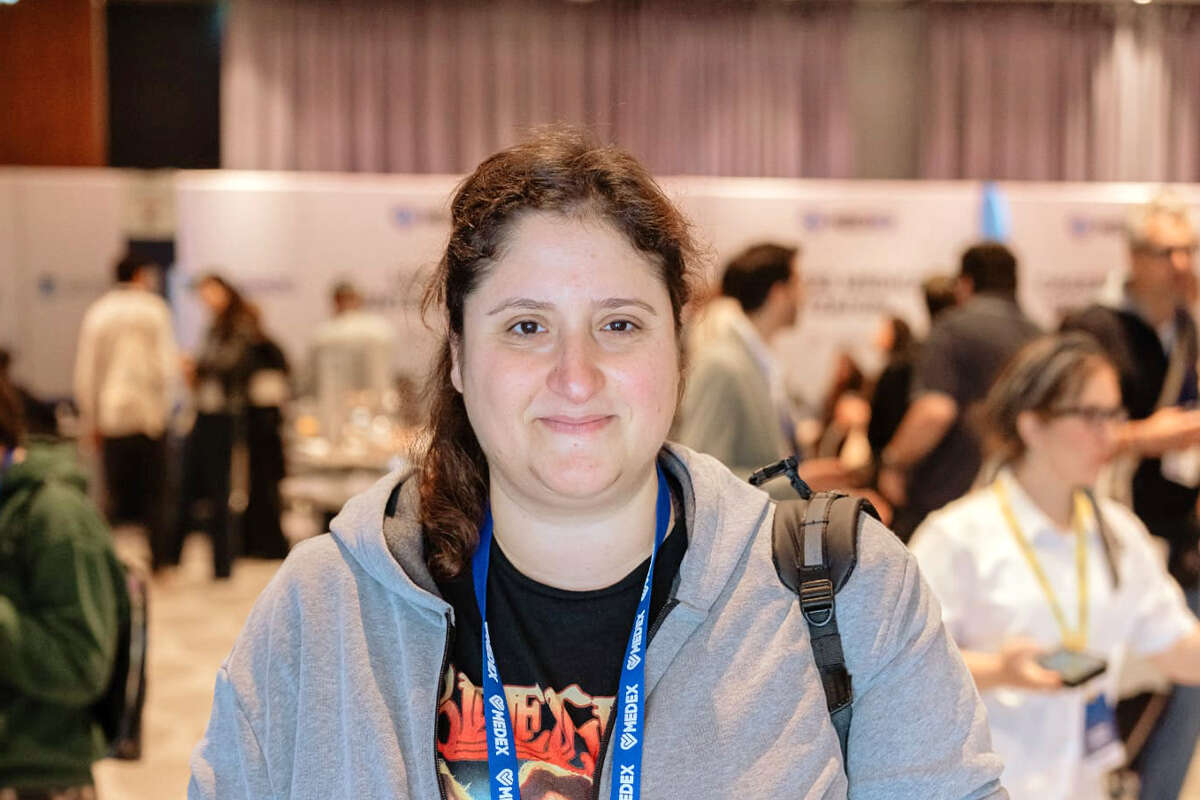
"Since Oct. 7, I have felt it has become dangerous to be a Jew in France. Even friends of mine who disapprove of the State of Israel have distanced themselves from me, and I from them, because of who I am."
Although conference participants benefit from shortened bureaucratic procedures at a single location that includes all the future services they will need, including language exams and the conversion of professional certificates, it is impossible to ignore the significant difficulty in the aliyah process: integration.
Nefesh B'Nefesh Vice President Zeev Gershinsky describes the process: "Those who come here to the conference receive their license in one place, are exposed to the entire employment world before making aliyah, and also to the accompanying benefits offered by the state. In other words, once you land, the technical obstacles no longer exist. That is what our program creates.
"At the same time, we are familiar with the challenges immigrant doctors face in hospitals. They are looking for a mentor to accompany them, and we are trying to create that with the hospitals. In the end, the difficulty for an immigrant doctor is the ability to integrate. I think Israeli society still has some distance to go in accepting olim. People need to knock on that immigrant's door and say: We are here for you. It is a very big challenge. It is not in the technical areas we handle, and we have not yet cracked it."
According to Gershinsky, despite the challenges of integration, the MEDEX program, which has succeeded in bringing more than 1,000 doctors to Israel within two years, is expected to expand into additional employment sectors in which Israel needs reinforcement.
"Israelis only need to open their hearts for this to be excellent." At one of the booths, I meet Lilach Kadosh of KMG, a company that responds precisely to this need for support during aliyah. "I made aliyah with my husband, Dr. Arie Kadosh, nine years ago. I told him: I am staying in Israel, I am the most Zionist person there is, but it was not simple at all. The salary is simply insulting, and he felt alone as a doctor. We opened KMG so that other doctors would not go through what we went through. We match every immigrant with an accompanying doctor until they feel confident in the position. We hold conferences and create a community for them in Israel, and we also make sure they have someone to cover for them when they are sick. All of this is so they will want to stay. I want all olim to know it is possible. This is our country, and after Oct. 7, it is clear that we need to be here."
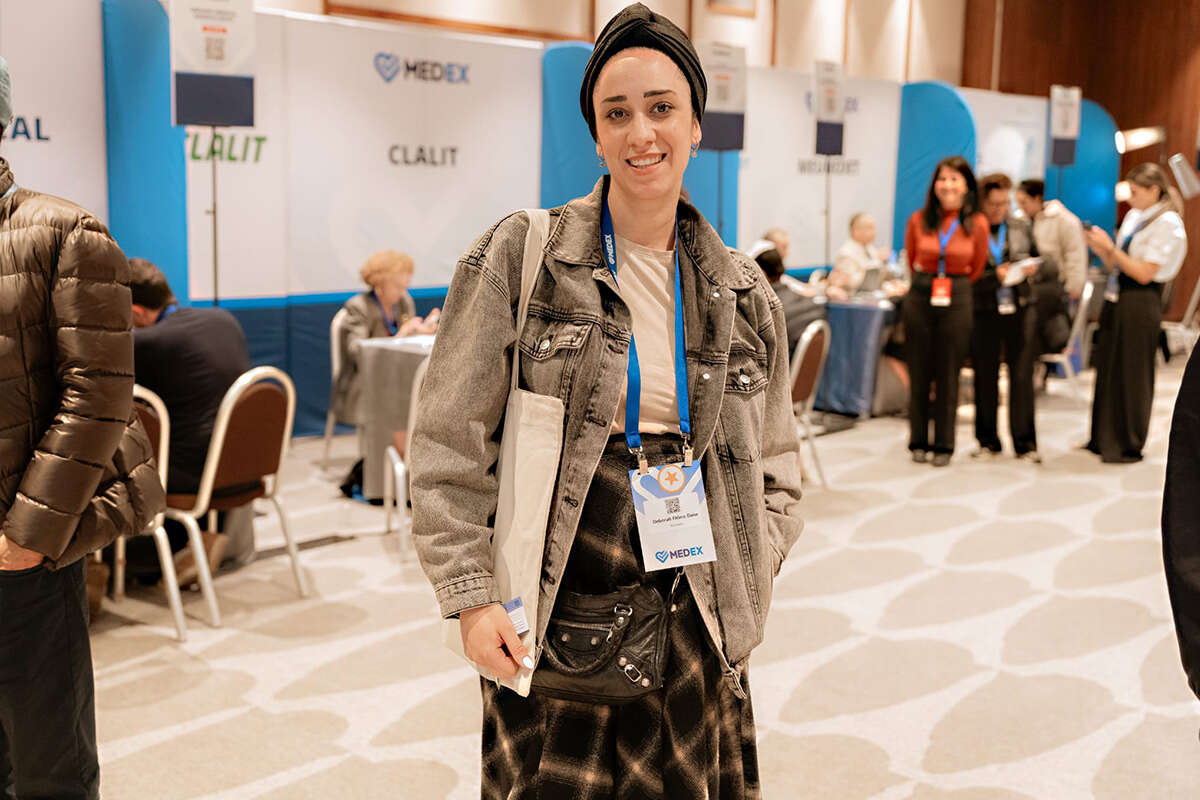
Deborah Fahima-Dana is a psychiatrist and mother of three. For her, immigrating to Israel now is the fulfillment of a childhood dream. Her destination is Or Akiva, where her father settled. "I was never attacked in Paris because of my Judaism, but I want my children to be free to wear a kippah in the street and do whatever they want as Jews. It has always been my dream."
"Cities that absorb communities"
Aliyah and Integration Minister Ofir Sofer, who stopped to speak with her, told Israel Hayom: "In Israel, we need to build communities for them. We help them with study programs in French, with rent, with tuition, and with providing a response wherever they choose to live, including community support. But because of the challenge of integration, I want to try to advance an initiative of cities that absorb communities according to language, in order to make it easier to provide a concentrated response. We understand that the main need is community."
Dr. Dalit Porat Ben-Ami, director of the oral medicine unit and the official in charge of recruiting doctors from abroad at the North Medical Center in Tiberias, and Inbal Ditor, director of the physicians branch in the human resources department, are sitting at the hospital's recruitment booth at the conference, and not for the first time.
They already know the applicants, the immigrants and the difficulties. "The move of uprooting one's life and starting over is challenging and significant, and we want to provide a response to that. Doctors from France are looking for community. The loneliness bothers them, and naturally they want to live with people like themselves. Coming as a group is a much more significant source of strength, both for integration and for their remaining in Israel," Dr. Porat Ben-Ami says.
Ditor adds: "Oct. 7 is very present. They are leaving their tranquility and coming to Israel during a war, because they understood that despite everything, or because of everything, their place is here, at home, in Israel."
The writer was a guest of Nefesh B'Nefesh.