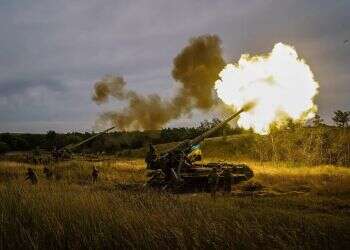
According to an investigation by the Economist, for the first time since 2022, Ukraine appears to be wresting the initiative from Moscow and increasingly dictating the battlefield. The Economist said Russian forces were facing mounting setbacks in the field, rising losses and increasingly effective Ukrainian strikes deep behind the front lines. According to the report, the symbolism was underscored during Russia's Victory Day parade on May 9, where heavy military equipment was absent, in stark contrast to previous years and a sign of growing pressure on Moscow's military capabilities.
Analysts said that in April, for the first time since 2023, Russia lost more territory than it managed to capture in Ukraine. According to assessments based on data from the Institute for the Study of War, Moscow lost control of about 113 square kilometers (44 square miles) over the past month. Analysts attributed Ukraine's gains to a combination of local counterattacks, more precise medium-range strikes and disruptions to Russian communications and logistics.
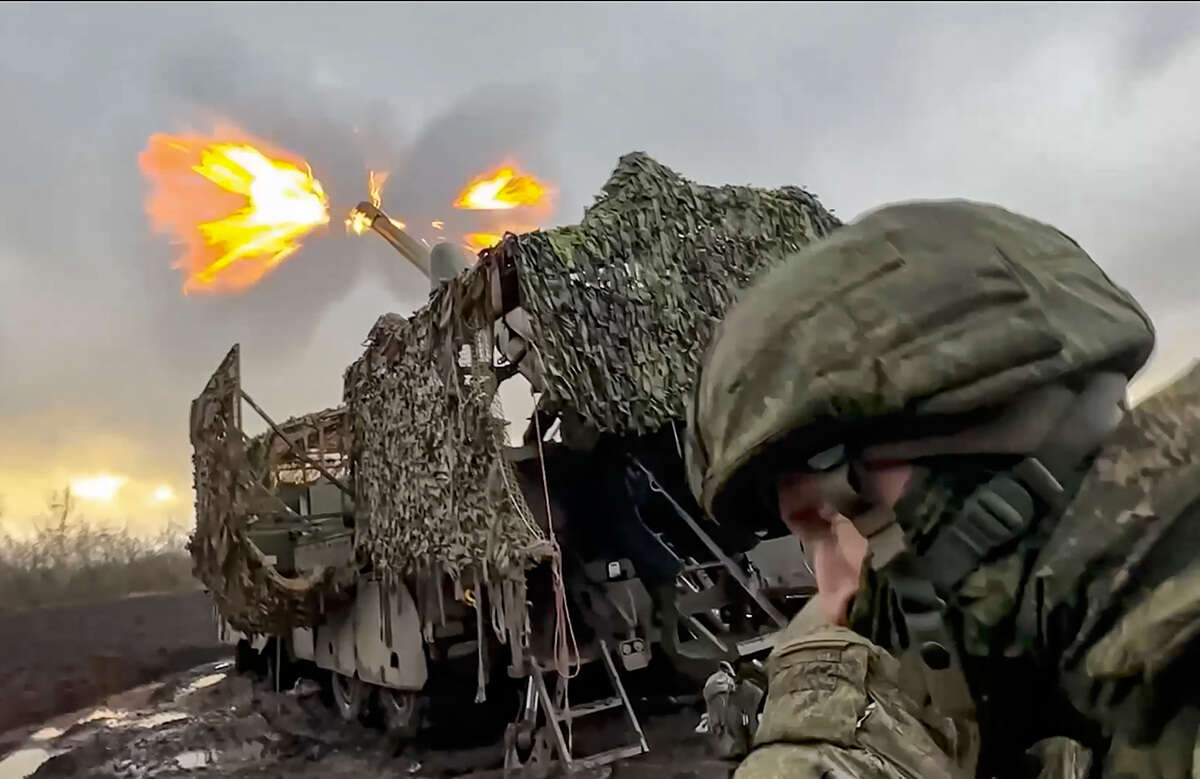
Only today, the Russian military blogger Rybar reported that Ukrainian forces had advanced into the town of Chasiv Yar, which fell to the Russians in the summer of 2025. In other areas as well, such as Zaporizhzhia Oblast, the Ukrainians are recording cautious progress against the worn-down Russian army.
Russia's manpower losses are also growing. Estimates indicate that Russia is losing about 35,000 troops a month, a pace that exceeds its recruitment capacity. Total losses since the start of the invasion in 2022 are estimated at close to 1.4 million killed and wounded, based on Ukrainian assessments. Another problem for Moscow is the steadily worsening ratio of dead to wounded. Ukrainian officials, including President Volodymyr Zelenskyy, have hinted that Russian forces may now be losing almost two soldiers killed for every one wounded, a sharp deterioration from the beginning of the war.
"Overall, it feels like a tipping point in the war," Lawrence Freedman, emeritus professor at King's College London, told The Economist. He warned that continued failures could lead to a broader Russian collapse in several sectors.
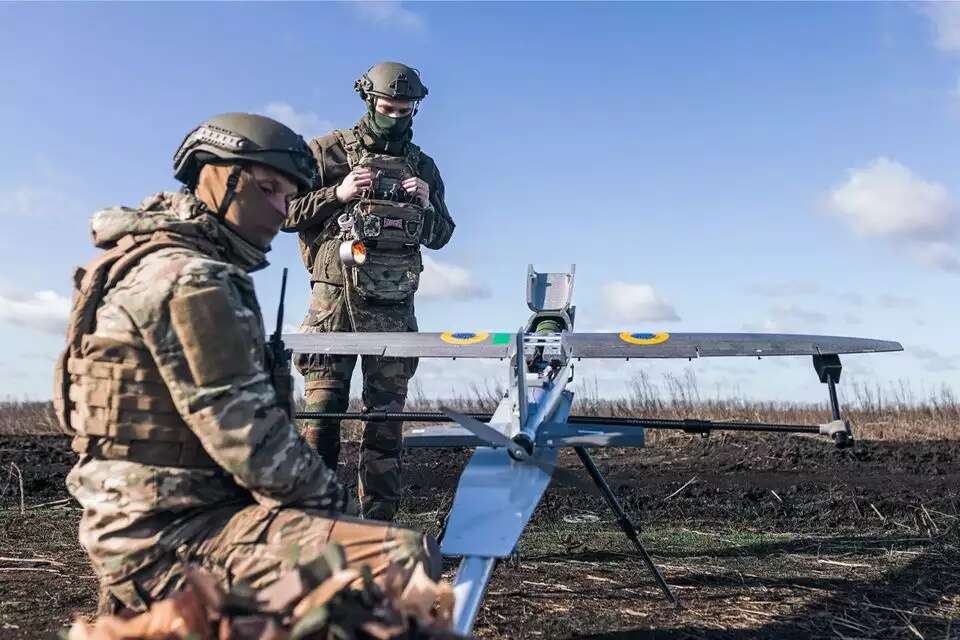
One of the main reasons for Russia's difficulties at the front, despite its significant advantage in manpower and resources, is the Ukrainian army's "drone wall" strategy. Ukraine's military is operating tens and hundreds of thousands of drones along the front, using a combination of a drone corps and a supply and equipment system that provides various types of drones to field units at the tactical level.
Recently, Ukraine has also achieved significant results in medium-range strikes, dozens of kilometers from the front. Videos released by the Ukrainians show major damage to Russian logistics far from the front lines. Trucks, fuel and ammunition depots and even train locomotives are now being routinely attacked in places such as Mariupol and Donetsk, further hampering the Russian army's ability to supply its large forces at the front.
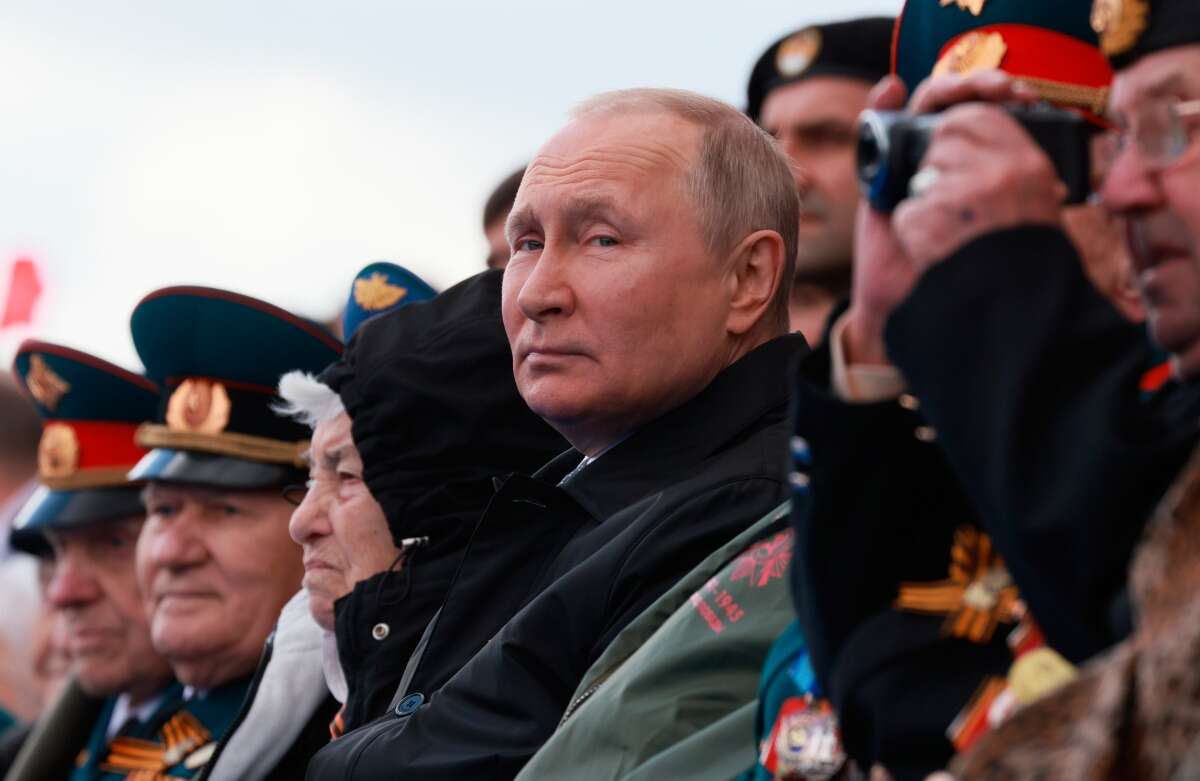
It appears that Russian President Vladimir Putin, too, is beginning to sense the shift in the war's momentum. Referring to the war, Putin said that "it may soon come to an end," something he has not said since the fighting broke out in 2022. Putin also referred to the "Ukrainian side" as a negotiating partner and even referred to Zelenskyy, whom he had previously called a fascist and a drug addict, as "President Zelenskyy."