A different Gaza
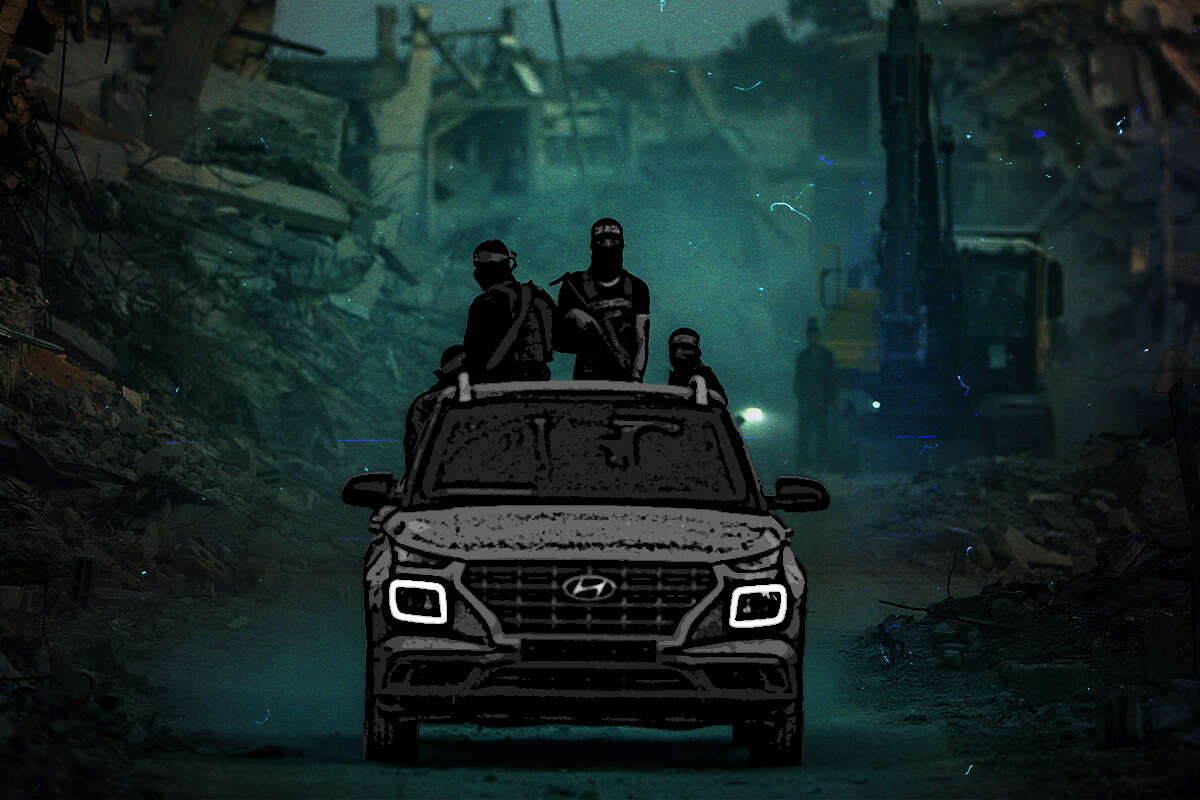
The first visit to Gaza after October 7 showed a relatively intact city, amidst plumes of smoke and sounds of battle. A year later, in November 2024, Jabalia was a massive pile of rubble, stretching from horizon to horizon, with packs of dogs roaming among the ruins and garbage. On the thousandth day of the war, nothing remained in the area. The densely populated camp looked desolate and quiet like the surface of the moon. Engineering drills searched for tunnels below ground, with D9 bulldozers operating above. In the vast majority of Gaza, nothing remained, neither above ground nor below it.
This is the situation in all the territory controlled by Israel, which makes up about two-thirds of the Strip's territory. Rafah was wiped off the face of the earth, as were most of Khan Yunis and huge swaths of Gaza. Ninety-two percent of the tunnels have been completely destroyed; the rest will be destroyed soon.
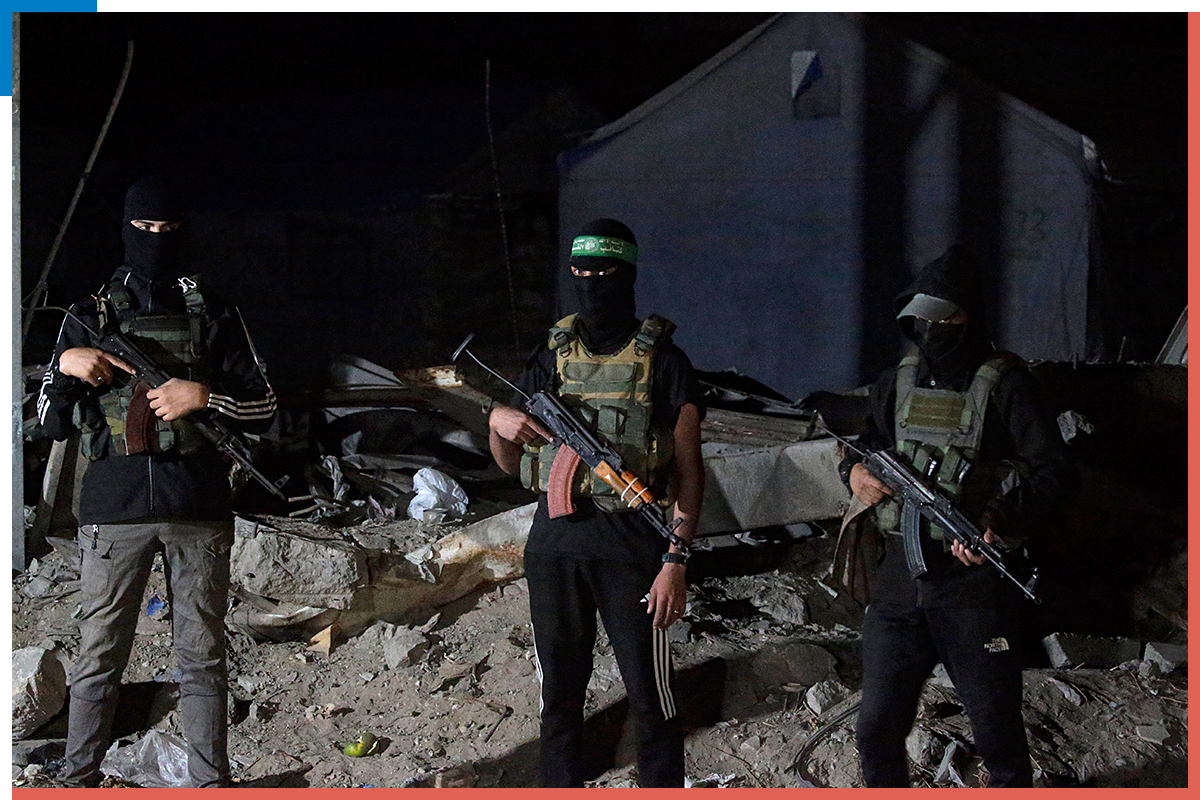
Inside Hamas-controlled Gaza, there have been increasing reports recently of a resurgence, tunnel rehabilitation, training exercises, and an inevitable IDF operation. These reports should be taken with a massive grain of salt. Hamas is failing to genuinely rearm, after its smuggling routes in the air, on land, at sea, and underground were choked off. Three hundred sixty-two smuggling tunnels from Egypt were destroyed in Rafah. Iran bends over backward to protect Hezbollah; for Hamas, it doesn't even pick up the phone. That's what happens to someone who starts a war without permission and is considered a lost cause.
Perhaps this is why Hamas recently agreed to terms that include handing over all heavy weaponry, tunnel maps, production sites, and weapons caches. Its leaders agreed that the weapons would be surrendered to a committee, not to Israel. The multinational force that will subsequently deploy will serve as a buffer between Hamas and Israel, and will be responsible for the collection. Israel will withdraw only after Hamas is disarmed, the militias' weapons are also collected, all government positions are handed over to a technocratic committee, and police officers who fail a security clearance are forced to retire. The agreements make no mention of small arms, which flood Gaza by the tens of thousands. How flooded? The divisions maneuvering in Gaza used to transport rifles to the Israeli border, where bulldozers would run them over and crush them. At a certain point, they asked to stop collecting weapons because it had become their primary activity.
"Make no mistake," says a very senior army officer, "of all the enemies we have faced, they are the most cruel, the most hateful toward us, and the most uninhibited." And this is exactly the reason why it was forbidden to stop and "fight another day," as Nitzan Alon and others suggested. From the perimeter, without this level of destruction and without isolating them from their patrons, Gaza would have recovered rapidly. By day one thousand, it would have already become a monstrous threat again, rather than a wave of rubble and despair.
Force does not solve everything
There is something very strange about modern wars. One day you bomb the enemy, and on the second day he calls you on WhatsApp, after getting the internet working again. We tend to look at the absurdity of senior American administration officials conducting friendly conversations with the heads of the terror regime. But it is safe to assume that for the Iranians it is harder. They need to talk with the people who killed their admired leader and caused their economy hundreds of billions of dollars in damage.
In the first two weeks after the signing of the agreement there was an almost absolute consensus that Iran had won. This feeling of catastrophe was caused by a rare coalition of the regime's mouthpieces in Tehran, the establishment media in America and the hard feelings in Israel and within the Republican Party.
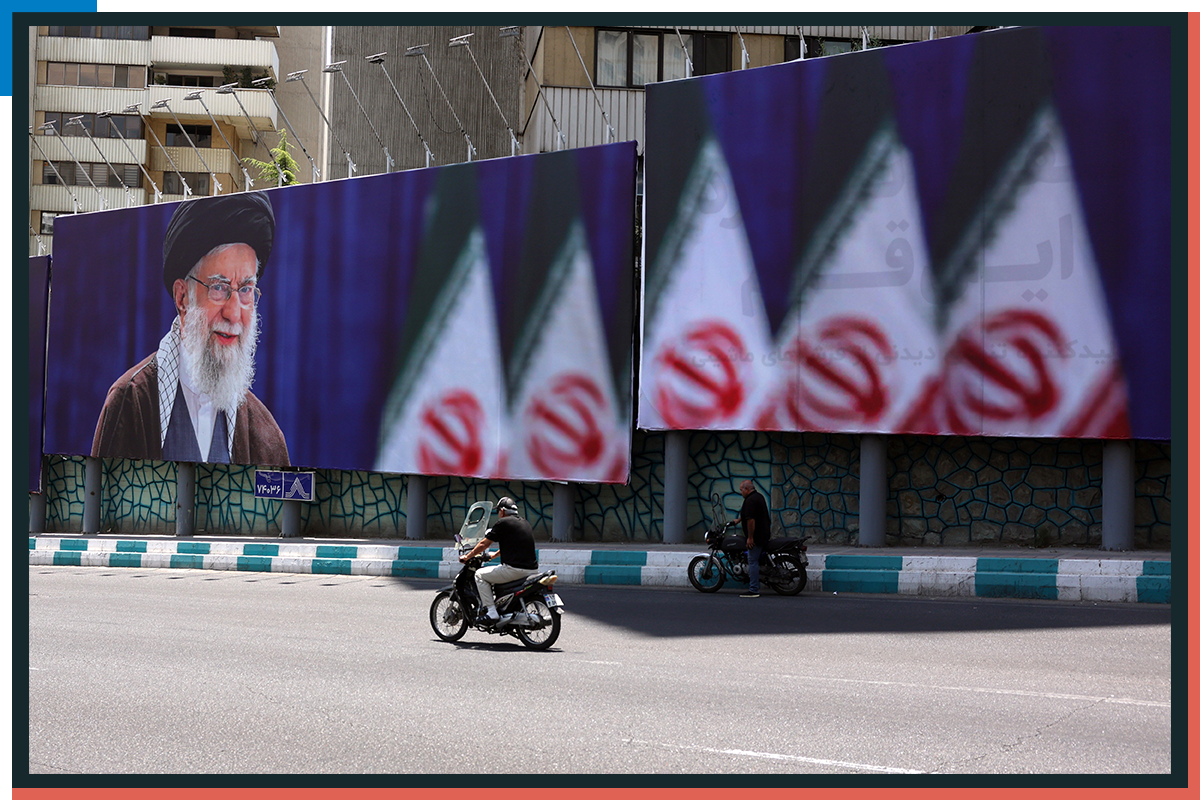
If things are so good for Iran, why did they fire at the beginning of the week in the Strait of Hormuz? The accepted approach is that the regime is simply taunting Trump out of hubris and an absolute conviction that he will not dare to attack back. But a senior American official offers an additional possibility: "The Iranians are shooting because it turned out that they are losing: they thought they would open the strait from their side immediately, and in parallel slow down access for Western vessels. In practice the opposite happened. We have safe passage under 'Project Freedom,' without them controlling it at all. Meanwhile, despite the temporary suspension of the sanctions, it became clear to them that no bank in the West is willing to do business with them for two months. They are offering steep discounts, but have not sold even one barrel of oil. In addition, no asset was unfrozen. The Gulf states have no desire to lift a finger for them."
And yet not everything is measured in oil, but also in optics. The Americans believe that what they did in the agreement is to give the moderate wing there an incentive against the extreme side, and to see what will come out of the clash between them. They see the power struggles at the top as one of the achievements of the war, and believe that something good can still come out of the skirmishes.
Give us credit, the Americans ask again and again. Just as you did not believe that Hamas would give up the hostages, you also do not believe that Iran will give up its nuclear program. Force solves many things, but contrary to what the Israeli government and its leader think, it does not solve everything. The war has reached a stage in which the marginal utility of using it is steadily decreasing. We are not naive as you think, nor are we "Innocents Abroad," like the title of Mark Twain's book about his journey to Palestine in the 19th century. In Hebrew, by the way, the title is translated to the somewhat cynical name "A Pleasure Trip to the Holy Land."
Tour de Israel
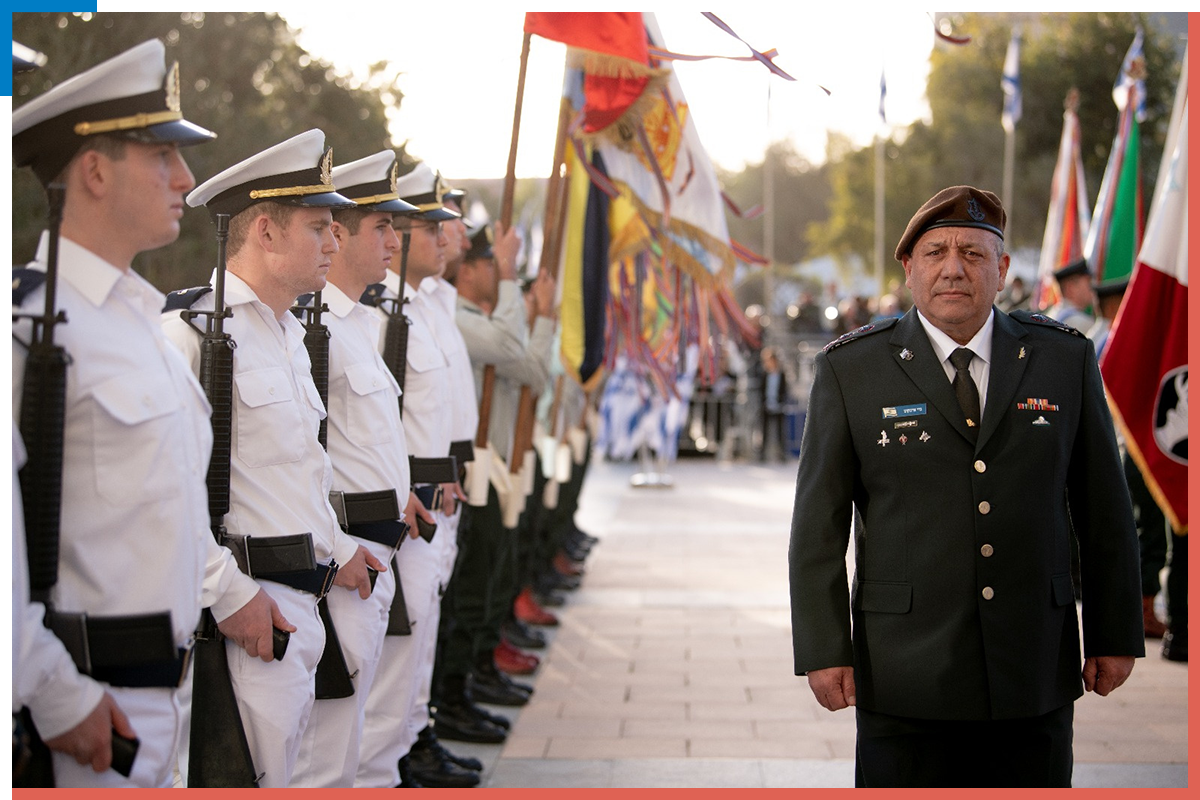
The Chief of Staff handover ceremony in January 2019 fell on Netanyahu in the middle of a grueling election campaign. His main rival, Benny Gantz, was already emerging. The Prime Minister, always looking to the future, found himself in a dilemma: how, on the one hand, to part warmly from Chief of Staff Gadi Eisenkot, and on the other hand, not grant him an election campaign ad for a few years down the line, if he decides to run. Yes, this is not fiction. No one believed then that Eisenkot was cut out for politics or interested in running in the future, but Netanyahu had already been burned by seven of the eight previous Chiefs of Staff who ran against him, and he had no intention of providing future ammunition for free to the eighth on the list.
With an incoming Chief of Staff on his right, an outgoing Chief of Staff on his left, and three former Chiefs of Staff running against him in the elections, Netanyahu said: "We did this together. It wasn't that there were background noises or pressures. We made objective decisions, and I want to thank you for that. Thank you, Gadi."
Therefore, there is a certain gap between Netanyahu's forecast and Eisenkot's work plan, which could be called the "Tour de France" strategy. In a cycling race, the riders take care of the team leader. They ride ahead of him most of the way, shielding him from the headwind and allowing him to save energy. This way, he can emerge in the final kilometer, relatively fresh, and win. The thesis was exactly this: Netanyahu would focus all the negativity, all the ads, all the sarcasm and all the poison on Naftali Bennett. In the home stretch, fresh and without a headwind, Eisenkot would emerge from behind, take the lead in the bloc, and win the premiership. Thus, the man Netanyahu identified as a threat seven years ago would manage to dodge his arrows until it was too late.
The main problem is that in the "Tour de Israel" there are no organized teams that choose a leader and take care of him, but rather riders trying to slash each other's tires. Bennett launched a crazy sprint hundreds of kilometers before the finish line, and quickly lost the lead. This means that Netanyahu already knows who his main rival in the elections is. See for yourselves how critical this is: the pilot phase of Likud's campaign ads is taking place on the Twitter account of Jonatan Urich, the Prime Minister's adviser. The first wave mocked Eisenkot and attacked him head-on. The results showed that this only annoys undecided voters. Therefore now the second stage has arrived ("he has no government without the Arabs"), and the third is already on the way ("he is a good guy but weak on Iran"). If we were in the final week of an election campaign, it would already be too late to pivot. Now, the entire summer and the holidays are still ahead of us. It's Netanyahu against Eisenkot, and Eisenkot against Netanyahu, and it's still unclear who will wear the yellow jersey.