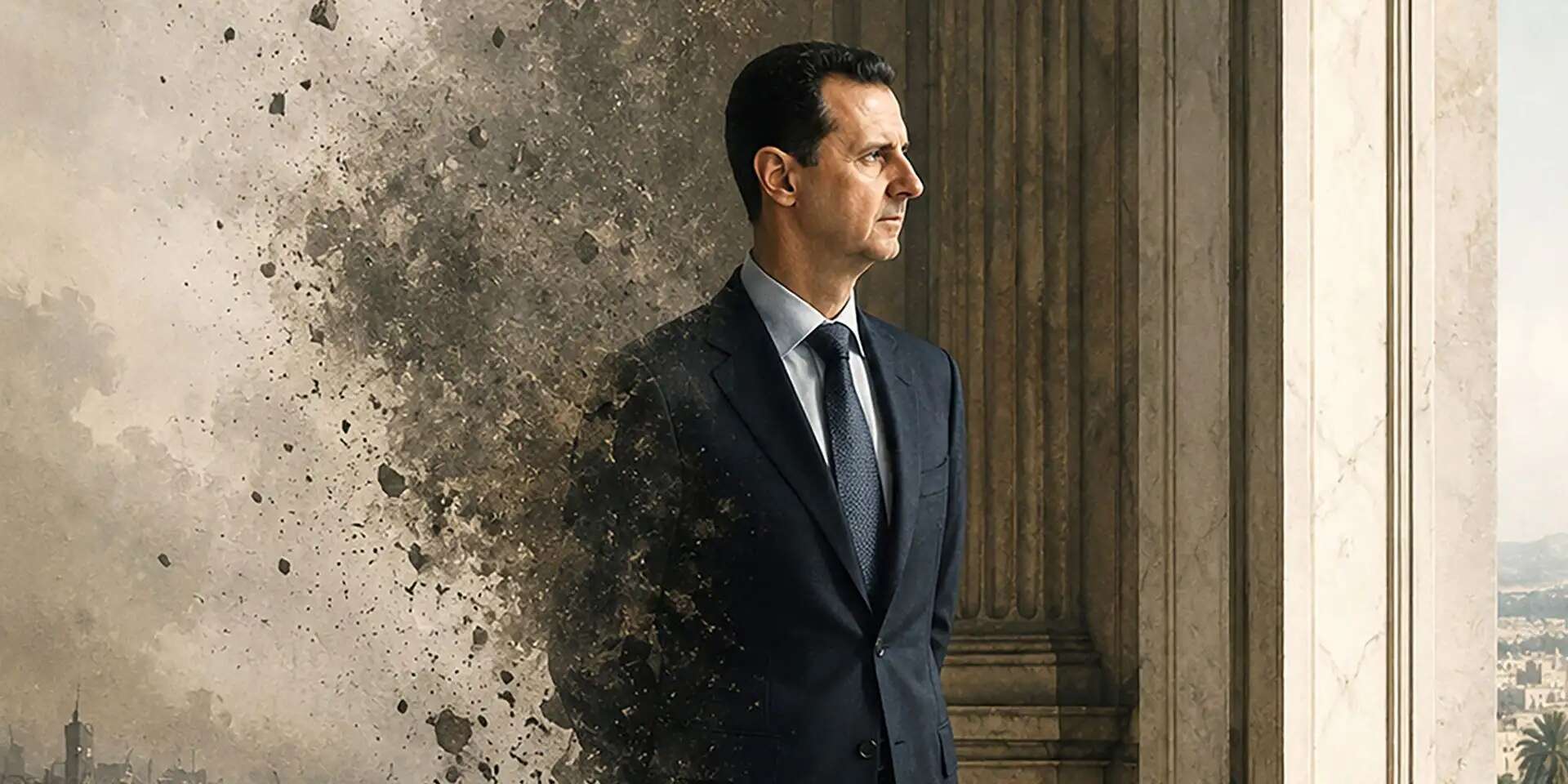
It was, and remains, one of the greatest dramas the Middle East has ever witnessed. One family. A father and son. Two generations of unchallenged rule, brought to an end in a dramatic, almost Hollywood-style finale.
Some 13 years after the civil uprising erupted in Syria, when it appeared that President Bashar Assad would defy every prediction and overcome all those who had challenged him, an army of Islamist organizations swept across the country and ousted him with astonishing speed.
Shortly after his overthrow, following years of relentless bloodshed and a succession of crimes against humanity, the strongman of Damascus boarded a plane for Moscow and vanished, leaving behind a host of unanswered questions: How did the Assad regime collapse like a house of cards? Where is the new Syria headed? What awaits the survivors of the war, the refugees and the country's minorities? What is the enigmatic leader Ahmed al-Sharaa planning? Is he a pragmatic politician or a "jihadist in a suit," as Israeli officials derisively called him? Above all, are we on the threshold of a golden age of stability and agreements with Syria's neighbors, including Israel, or facing yet another succession of coups and wars?
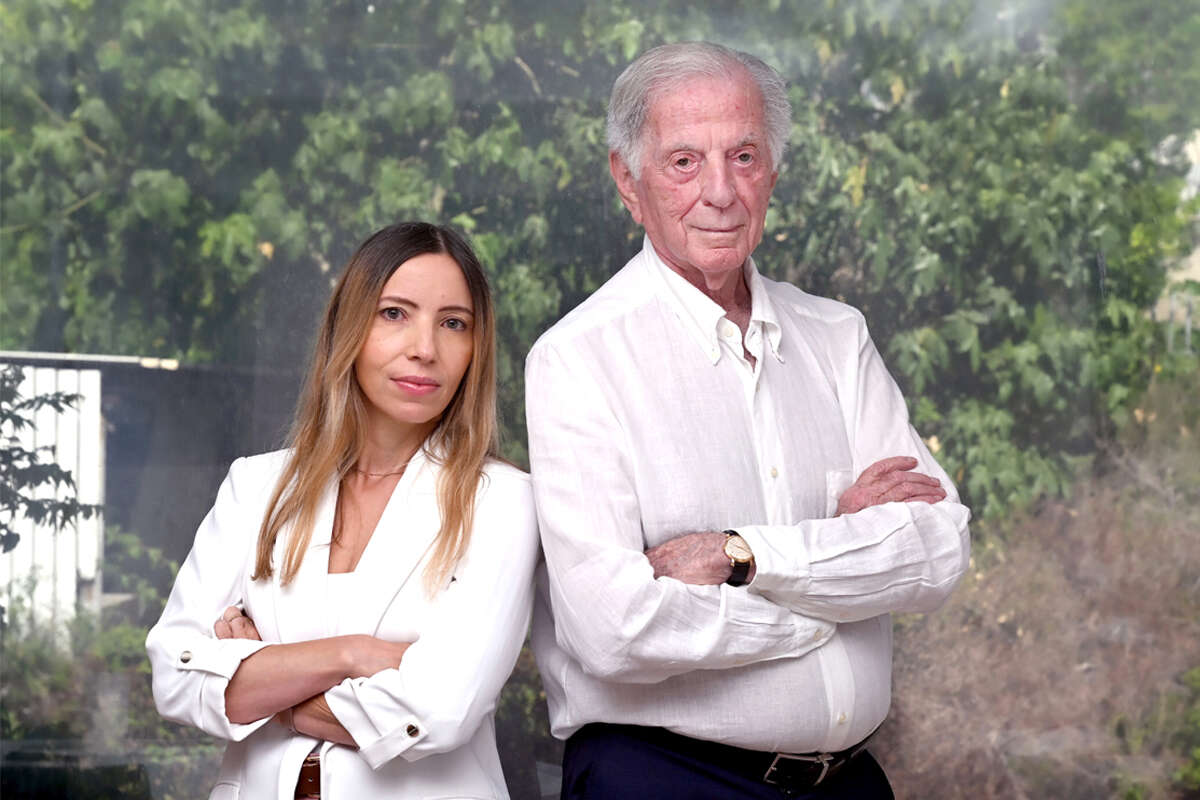
These questions and others are addressed by Professor Itamar Rabinovich and Dr. Carmit Valensi in their recently published book, "The Syrian Revolution: The Civil War and the Fall of the Assad Dynasty."
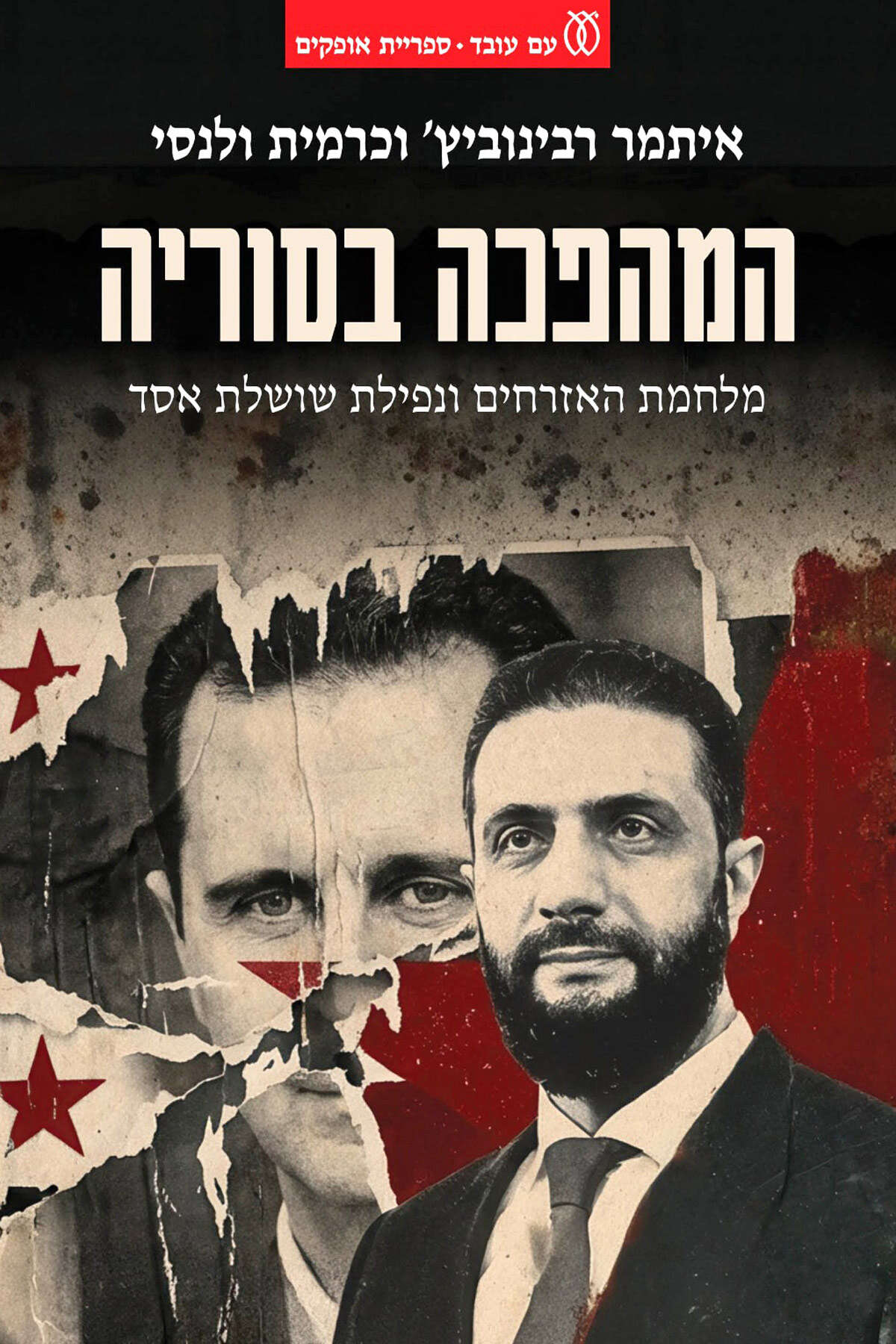
Rabinovich is one of Israel's most veteran experts on Syria and conducted negotiations between Jerusalem and Damascus under the late Prime Minister Yitzhak Rabin. Valensi heads the Syria program at Israel's Institute for National Security Studies and is one of the country's leading researchers on the chaotic arena.
Both vividly remember the forecasts that were proved wrong at the start of the uprising, and both warn against making hasty decisions about Syria's new regime.
Talking? That was never his way
In their book, Rabinovich and Valensi describe, among other things, how Bashar Assad gradually dismantled the pillars that had provided his family with relative stability since the days of his father, President Hafez Assad. "In every respect, the son fell short of the father," Rabinovich said. "It must be remembered that he was not the first choice as successor. His brother Bassel had been designated as the next president, but he was killed in a car crash.
"At the time, Bashar was an ophthalmologist undergoing further training in London. He was summoned back to Syria, where they pinned the rank of major on him and his father began preparing him for the difficult job of serving as Syria's president. But Bashar simply did not have the qualities needed for the job. The way he dealt with the uprising from the moment it began in 2011 is clear proof of that. When the revolt erupted in Daraa in southern Syria, where the rebellion effectively began, dialogue was still possible.
"But he did not want that and was never prepared to engage in genuine dialogue. This was part of the Arab Spring. Monarchies such as Jordan and Morocco knew how to make concessions to opposition forces and survived. Bashar did not know how to do that, and so it developed into a widespread rebellion."
In fact, one decision by the Syrian dictator endangered his rule long before the Arab Spring even began. After the US invasion of Iraq in 2003 and the overthrow of Saddam Hussein, Bashar Assad provoked Washington's fury. In an astonishingly shortsighted and foolish move, he allowed jihadists to cross from Syria into Iraq. He did more than turn a blind eye. He instructed his intelligence agencies to establish an infrastructure in northeastern Syria that would help thousands of jihadists cross the border and fight US forces.
In an ironic twist, one of the people who crossed the border at the time was none other than Ahmed al-Sharaa, the young man raised in an affluent Damascus neighborhood, who would eventually remove Assad from power.

Yet Assad's policy almost brought about his downfall in an entirely different way, in a scenario that was averted largely because of the cold calculations of Israeli Prime Minister Ariel Sharon. "What he did by helping the insurgency in Iraq was a kind of double game," Rabinovich explained. "Although Bashar allowed people to cross into Iraq, he did not want to become entangled with the US.
"But the Americans were angry, and President George W. Bush tried to persuade Sharon to cooperate in overthrowing Bashar. The prime minister told him that the alternative would be worse, meaning an Islamist-jihadist regime. As a result, an Islamist-jihadist infrastructure remained in northeastern Syria. In due course, it was used by organizations such as al-Qaida and Jabhat al-Nusra."
Ahmed al-Sharaa, as time would tell, would play a significant role in both organizations.
Assad failed to learn the lesson
The double game involving Islamist elements continued during the early stages of the Syrian uprising, when the Assad regime chose to release prisoners affiliated with the extremist movement. The president was determined to use every available means to survive and portray the revolt against him as an uprising by the global jihad movement, seasoned with the region's perennial favorite allegation of a "Zionist-American conspiracy."
"By releasing those prisoners, Assad introduced another element into the equation that would further complicate the civil war," Valensi explained. "He did not believe those jihadist elements would be capable of overthrowing him.
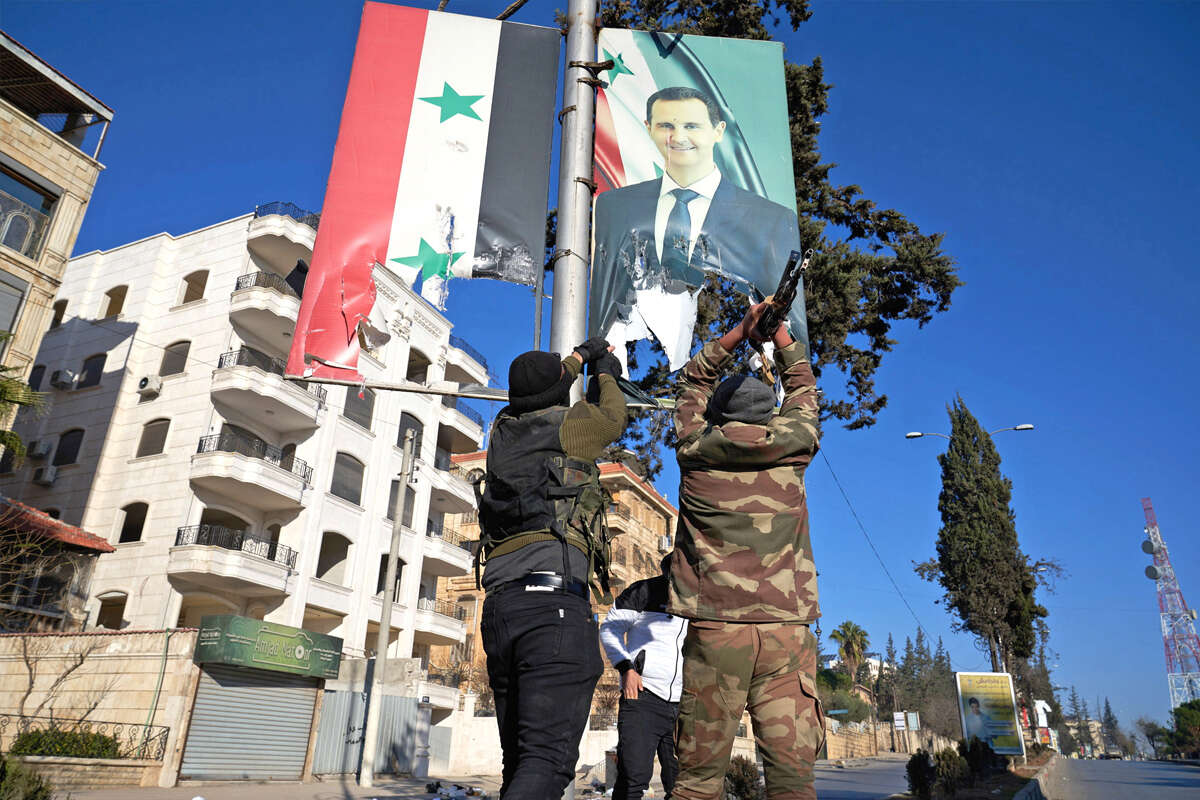
"As far as he was concerned, every means was legitimate and there was only one objective: his personal survival. He therefore took extreme measures, including the highly violent repression of protests that had been peaceful during their first few months. He did everything necessary to retain power. The brutality, the decision to use chemical weapons and barrel bombs that destroyed entire villages, all of it was intended to enable him to suppress the protest movement.
"In this sense, the rise of more radical and jihadist elements such as Islamic State, which emerged in 2014, contributed to his survival. They diverted attention away from him. Suddenly there was a new enemy in the form of Islamic State, and an international coalition was established to fight it. Everyone redirected the campaign toward those groups."
When the war was more or less decided in 2016, did he learn any lessons?
"Assad did learn lessons when it came to improving and streamlining his ability to survive, in order to prevent another revolution, protest movement or anything else that could destabilize his rule. He began a fairly intensive rebuilding of the Syrian military and internal security forces so they could suppress any expression or sign of protest that might return him to the situation he faced in March 2011.
"But when it came to the social contract between the regime and the population, it can be said with considerable confidence that he learned nothing. The government paid very little attention to the Syrian public, if any at all, and the economic situation was extremely difficult. He did not introduce reforms or meaningful relief measures to improve people's lives.
"In retrospect, one of the reasons we describe his downfall as having occurred so rapidly was the revulsion many groups felt toward him, including the military, which had been badly neglected. There was military reconstruction where it served his purposes, but conditions of service were catastrophic. Studies and testimony from military personnel indicate that the neglect was so severe that they received rotten food rations and outdated weapons.
"These were among the reasons we saw such a rapid surrender and soldiers simply putting up their hands. There was very little motivation to defend him, sacrifice their lives or help ensure his political survival."
Even within the Alawite community?
"What enabled Assad's prolonged rule was the 'Assad system.' It involved building an inner circle that included the Alawite community and was bound by an unwritten agreement. They maintained their loyalty and support, and he looked after them to a greater extent than other groups. But that arrangement also began to break down. The turning point was in 2019, with the economic crisis that began in Lebanon and spilled over into Syria.
"Then came the coronavirus pandemic and the earthquake, an endless succession of disasters, as well as the damage caused by the civil war. About 70% of the country's infrastructure was destroyed, and there were shortages of drinking water, wheat and electricity. All of this undermined his control and legitimacy, even among the Alawite community."
Indebted to Iran and Russia
Assad could not truly claim credit for his temporary victory over the rebels in 2016, symbolized by the capture of Aleppo. At his hour of need, Tehran and Moscow came to his rescue. But their involvement created a dangerous and fragile dependency. When Russia invaded Ukraine and became bogged down in its own bloody war, and when the Iranian axis was dealt a severe blow by Israel during the multi-front war, Assad discovered that stagnation came at a price.
His refusal to compromise, his intoxication with a Pyrrhic victory, his contempt for his enemies and his disconnection from the mood on the street all came back to haunt him, with brutal force. "On the question of learning lessons, nothing was done to bring Syrian refugees home either," Rabinovich said. "If the intention was to achieve some kind of national reconciliation, the return of 5 million refugees should have been an early step, but nothing was done.
"One could speculate that it suited him and other members of the Alawite community to live without 5 million Sunni Muslims and thereby increase the Alawites' proportion of the population. Another mistake was allowing various rebel groups to leave without fighting them to the end. They were told to board buses and travel to Idlib province in northwestern Syria, where a very large concentration of rebels was created, numbering about 50,000 armed men.
"Turkey did not allow the Assad regime or the Russians to try to capture Idlib. The Turks did not want another wave of 1 million refugees from Syria. Under that protection, a local administration was organized. Ahmed al-Sharaa took control of it and became the de facto prime minister of an autonomous province. In some respects, it was a dress rehearsal for taking power throughout Syria."
"The Iranian intervention completely changed the balance of power, followed by the Russian intervention, so Assad owed them an enormous debt," Valensi stressed. "Ironically, he preferred the Russians to the Iranians. At a certain point, we began to see friction between him and Iranian elements that were establishing themselves as they pleased, not only militarily but also in civilian affairs.
"We saw efforts at Shiite conversion and demographic changes that they sought to implement, and he did not always like that. He did not oppose them aggressively, but in the later years we saw him ask and demand that the Iranians refrain from attacking Israel from Syrian territory because it endangered his assets and his survival. We saw this clearly during the Swords of Iron war. That was also why he did not join the multi-front war in October 2023."
The president against the public
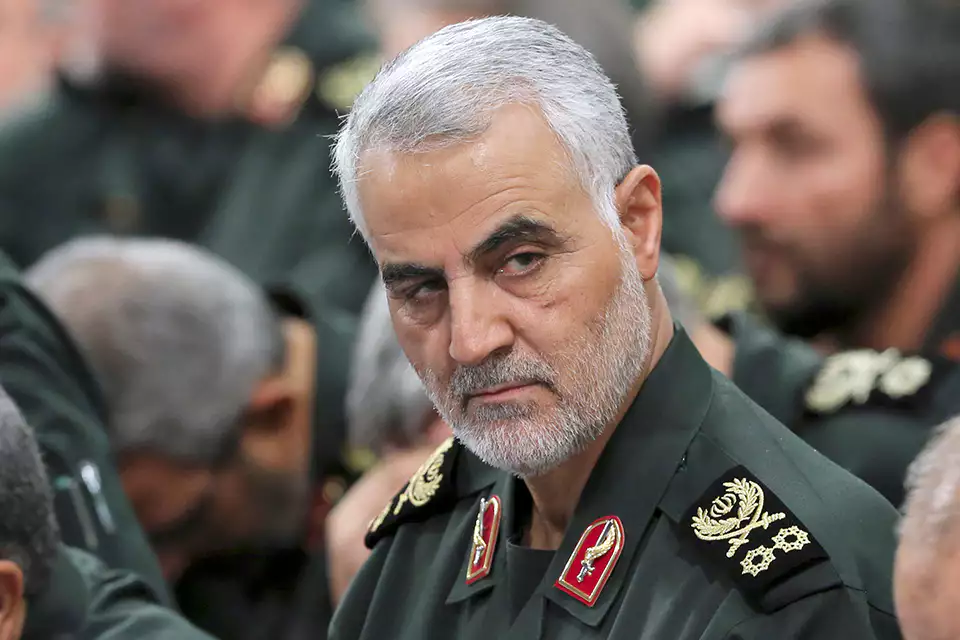
The Iranian axis had already suffered a severe blow in January 2020. Qassem Soleimani, commander of the Islamic Revolutionary Guard Corps' Quds Force, was killed in a US strike in Iraq. The astute shadow commander, who had flown to Moscow to persuade the Russians to join forces with Damascus, was no longer.
Kamel Saqr, a close associate of Bashar Assad, would later describe how the dictator went to the Kremlin on a similar mission during the rebel offensive and the capture of Aleppo in November 2024. The Syrian president waited for days for a meeting with his Russian patron. His requests for military and logistical assistance were ultimately rejected outright. "Assad asked Putin to allow the Iranians to provide assistance to the Syrian military, but the Russians did not want to insert themselves into that equation," Saqr said.
"There is no doubt that the axis suffered a significant blow with the loss of Soleimani," Valensi said. "He was the chief architect of the proxy doctrine. He genuinely planned and coordinated activities across the various fronts. There was no other operator capable of synchronizing the strategic objectives with the last operative on the ground and the tactical targets. Esmail Qaani, who succeeded him in the Quds Force, was unable to fill his shoes. So it is clear that the functioning of the axis was affected in Syria and Lebanon.
"Nevertheless, even after Soleimani's death, the Iranian entrenchment remained significant. He had already established roots, infrastructure, operatives and command-and-control systems that could function independently, even if not particularly successfully. We saw Iranian entrenchment in every sphere, including penetration of universities, free Persian-language lessons, charity centers and every other means of increasing influence over the regime."
No less significant than Syria's dependence on foreign armies was the growth of its drug industry. "It was a fairly insane development," Valensi said. "Syria became a narco-state on a global scale. At one point, 80% of the world's Captagon came from Syria. This was a country that had completely changed its nature. Unlike countries such as Colombia, where drug cartels existed and the government fought against them, here the regime itself was the cartel.
"We have known for years that Bashar was involved. His brother Maher Assad, who also commanded a military division, suddenly became the manager of the drug operation, including production and distribution. It can be described as a double-edged sword. On one hand, the industry strengthened the regime because it became its main source of income amid the economic distress, providing an economic lifeline that allowed it to continue functioning.
"On the other hand, Assad did not use the money wisely to strengthen vulnerable groups or particular sectors of the population, or to improve conditions in the military. Everyone around him saw the gap between his corrupt lifestyle, including the luxury cars we saw after the regime collapsed, and the public's daily hardship and poverty. That certainly explains the celebrations across the ethnic and political spectrum when he fell. Captagon helped him in the short term, but it also diverted military resources and attention and, above all, contributed to public hostility."
After the Assad regime's fall, extensive investigations were published in The New York Times, The Atlantic and the Saudi magazine Al Majalla. According to those reports, Assad became increasingly detached from the outside world. He grew addicted to video games such as Candy Crush, marginalized senior regime officials and conducted a questionable relationship with his media adviser, Luna al-Shibl.
The reports claimed, among other things, that al-Shibl was Bashar's mistress and was suspected by senior Iranian officials of being a spy. She was later brutally murdered on Assad's orders. "He probably began losing his grip in recent years," Valensi assessed. "Between 2016 and 2021, he was in what was described as a 'frozen conflict.'
"On one hand, he had survived politically. On the other, he was not truly the great victor of the war. He did win high levels of support in elections, but we know precisely how reliable those elections were. The situation affected him profoundly, particularly the fact that he had been unable to regain control over all of Syria. I therefore assume that all these events affected him personally and impaired his ability to function."
More than withdrawal alone
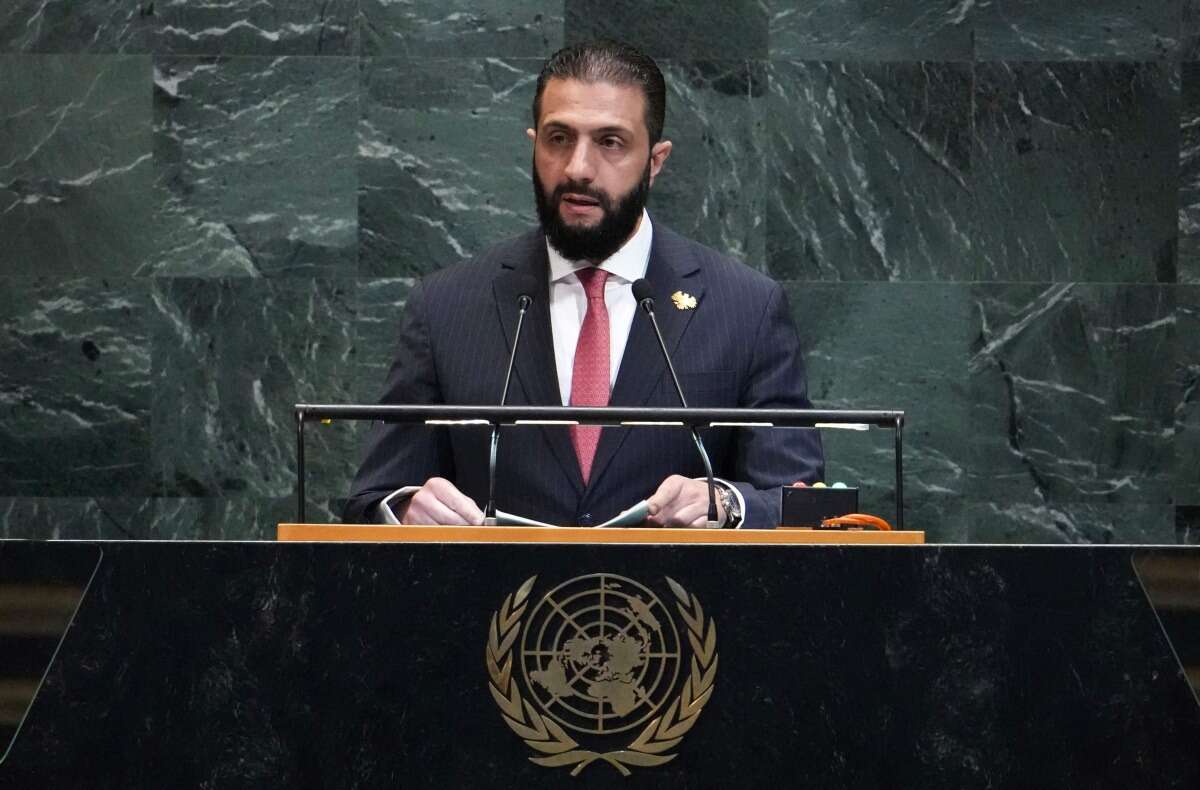
Ahmed al-Sharaa's rise to power prompted considerable concern in Israel about the emergence of a new and unfamiliar Islamist force. But al-Sharaa made a concerted effort, at least outwardly, to present a pragmatic face.
"I think Syria researchers in Israel and around the world were less astonished by the pragmatism al-Sharaa projects," Valensi said. "We are also less skeptical of him, although he remains an enigma. We are talking about a figure who did not originally emerge from religious circles. Over the years, he abandoned the concept of global jihad and struggle against the West, adopting a more Syrian and national identity with a single objective: overthrowing Assad.
"We had already begun to see in Idlib that he was emerging as a sophisticated leader. He was a kind of politician who understood that he was operating among a population that was not exclusively Sunni and that he needed legitimacy and support from other minorities, including Christians, Kurds and Druze. He therefore introduced various changes and adjustments. This began with the abolition of extreme Islamic punishments such as cutting off fingers and hands, severe penalties for religious offenses. He also abolished a phenomenon that was highly prevalent among jihadist movements: the morality police. In our view, therefore, he is more of a leader and politician than an Islamist ideologue."
From Israel's perspective, is he someone who can be worked with, or are we likely to see his conduct change in several years?
"In my opinion, yes, he can be worked with," Rabinovich said. "He said explicitly when he came to power that he did not want problems with Israel. The negative party in that relationship during the first few months was Israel. We called him a jihadist in a suit, gave unconditional support to the Druze and bombed Damascus. As a result, he developed a certain degree of anger toward us. I personally regard him as a partner. I would like to see something that will not happen in the coming months because of the Israeli government's policies: a kind of cooperative triangle comprising Israel, the Syrian regime and the Lebanese government."
Once the regime stabilizes, could we again see proposals for a full agreement involving the Golan Heights? In the book, you note that five different Israeli prime ministers, from Rabin to Netanyahu, expressed willingness to accept such an arrangement.
"Certainly not under Israel's current government. But there are other possibilities, such as a lease or other ways of addressing the Golan question. In any event, none of those alternatives is currently on the table."
"I find it difficult to see that happening," Valensi said. "The central factor that did not exist during the terms of those prime ministers was Oct. 7. The suspicion and the need to retain territory that provides a sense of security did not exist then. Of course, it depends on which government is in power here and how much American pressure is applied. But various formulas are possible. An agreement with Syria does not require an automatic and rapid handover of the Golan Heights.
"We need to take advantage of al-Sharaa's weakness to try to reach an agreement on the best possible terms for Israel. We can see how he is growing stronger and gaining legitimacy, and he may harden his positions over time. Ultimately, the window of opportunity is extremely narrow."