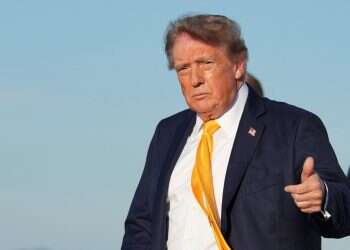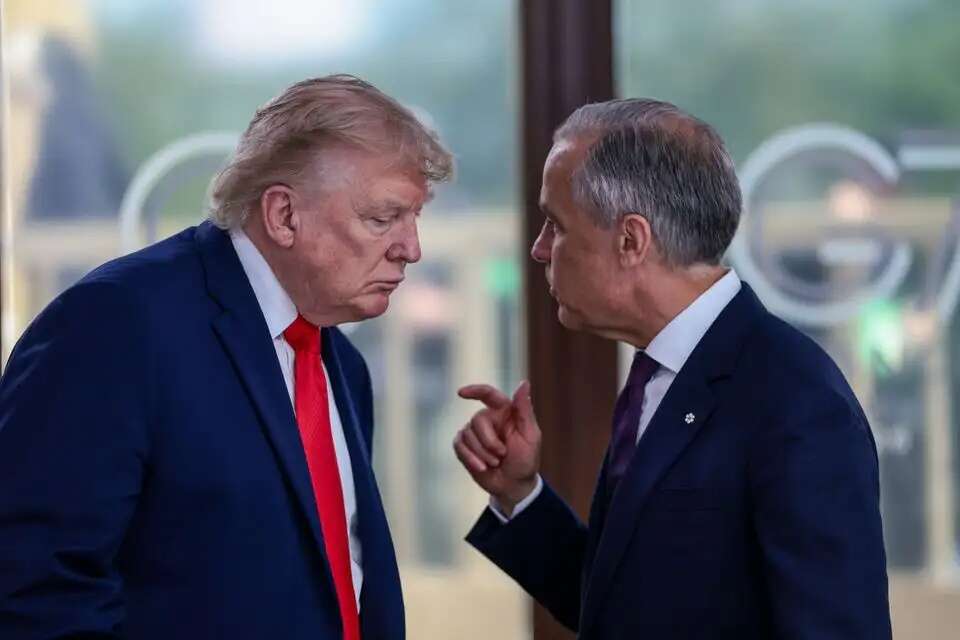
The United States has announced sweeping restrictions on imports of alcoholic beverages, motorcycles and dairy products from Canada, marking a sharp escalation in the ongoing trade war between the two countries.
The new restrictions, which will take effect Sept. 29 and were formally published by the White House, come in direct response to the implementation of Canadian retaliatory tariffs on US goods.
Ottawa's countermeasures impose tariffs ranging from 15% to 50% on approximately $20 billion worth of US goods. Among the products targeted are goods produced in politically important states such as Michigan and Ohio, ahead of the US midterm elections in November. The latest exchange of economic blows follows the collapse of negotiations between the two countries and the imposition of the original US tariffs last month.
Trade agreement face uncertainty
The growing trade dispute has already begun to affect international trade. Japanese brewer Sapporo, for example, has said it is considering shifting some production of its nonalcoholic beverages from Canada to the United States to reduce its exposure to tariff-related risks.
At the same time, US President Donald Trump intensified pressure by directing the General Services Administration, the federal agency that oversees major government procurement programs, to remove Canadian-made products from federal purchasing schedules unless Canada grants full reciprocity to American farmers and businesses.
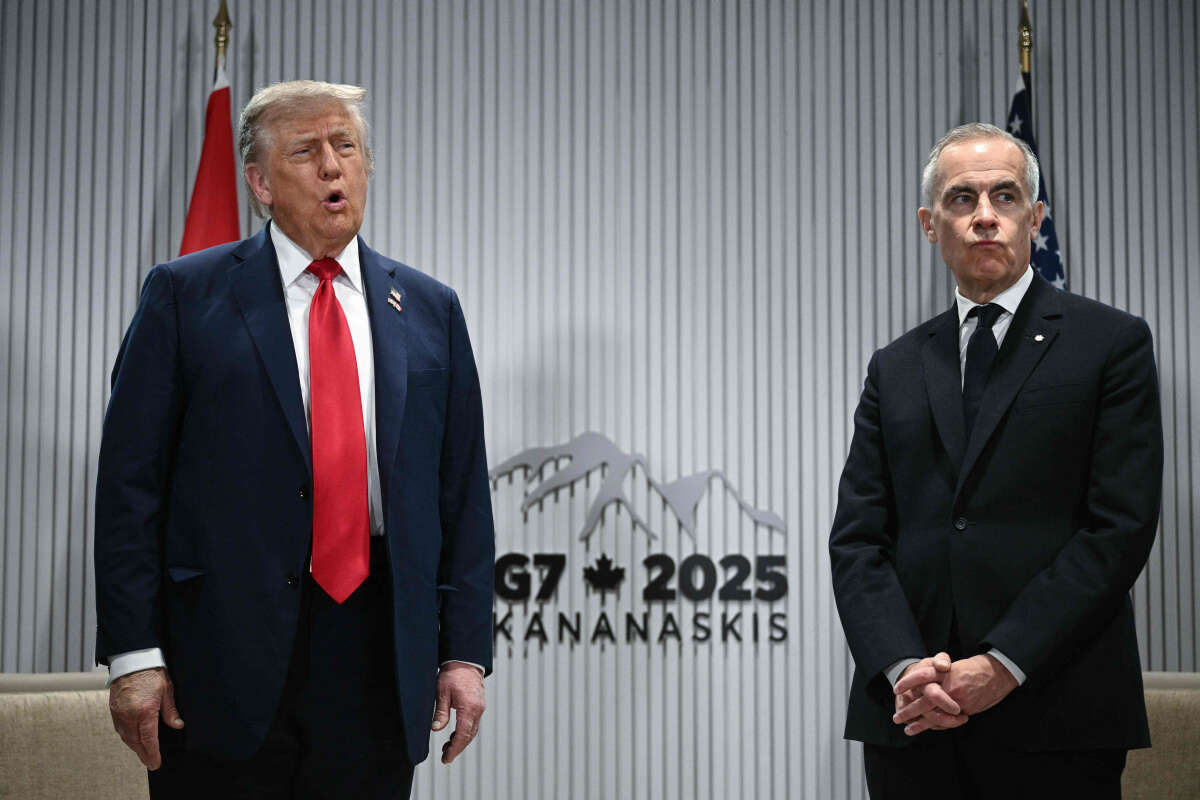
US pressure also includes Trump's threat to raise tariffs on Canadian cars, trucks and automotive parts to 50% beginning Jan. 1, 2027. In an unusual symbolic move, the president also signed an executive order directing the US government to rename Lake Ontario "Lake America."
This diplomatic and economic rift has prompted Canadian Prime Minister Mark Carney to publicly call for a strategic shift away from Canada's dependence on the US market. Carney acknowledged that such a transition would carry an economic cost, but argued that the cost of failing to act would be far greater.
The unprecedented tensions have also raised serious concerns among economists over the future of the United States-Mexico-Canada Agreement, the regional free trade pact known as USMCA that forms a central pillar of North American economic integration.
While Canadian Minister responsible for Canada-US Trade Dominic LeBlanc and US Trade Representative Jamieson Greer are expected to continue contacts in an effort to find an alternative path forward, the current trajectory points to mounting uncertainty.
Recent polling shows that while Carney has enjoyed a surge in public support at home, only about one-fifth of Americans support the Trump administration's tariff policies toward the United States' northern neighbor.