

With Putin, Bennett should keep in mind realpolitik is key
Moscow sees a strong Iran as a useful factor that serves to weakens the regional status of the US, Russia’s main rival in the international arena.

Moscow sees a strong Iran as a useful factor that serves to weakens the regional status of the US, Russia’s main rival in the international arena.

Some of the characteristics of Wednesday's attack, which left 14 passengers reported to be Iranian officers dead, make it appear more like a targeted killing of specific individuals.

Recent developments signify not only growing Iranian confidence, but also the Iranians' realization that the US abandoning the Middle East has left them a major space in which to exert their influence.
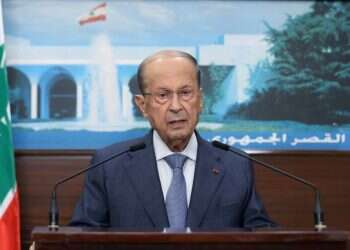
President Michel Aoun, a longtime supporter of the Iranian-backed terrorist group has been at odds with its leader, Hassan Nasrallah over the investigation into the Beirut Port blast. Christian parties' seats are main battleground in Lebanon's 2022 vote.

"We are dealing with a new equation: either Tarek Bitar leaves, or the country will be ruined," said Youssef Diab, a political analyst.

If true, the death of Madhat al-Saleh through an unprecedented sniper attack sends a powerful message to Iran and Syria about Israel's activities near the border.

The Islamic State's future trajectory in Afghanistan will depend largely on its ability to recruit more members and win over large segments of the population.

In a way, European nations have started to import the Israeli model of toppling leaders through a so-called "healing coalition."

Relations warm between Syria and Jordan, UAE, Egypt, as economy, politics emerge as factors driving Arab leaders opening to the Assad regime. Saudi Arabia could be weighing a similar move, analyst says.

Behind Tehran's stalling is an attempt to extract more concessions when negotiations do eventually resume, including by advancing its uranium enrichment program, a possible pathway to a nuclear bomb.