Biden and Israel's unsteady Right
The Blue and White-Likud clash over Iran policy, like their clash over Israel’s national and strategic interests in Judea and Samaria, makes it clear that the farcical unity government has run its course.
Mohsen Fakhrizadeh was the fifth Iranian nuclear scientist killed in targeted attacks since 2010, prompting the IRGC to increase security to top military and civilian officials.
Jerusalem and Riyadh fear US President-elect Biden will adopt policies on Iran similar to those adopted during the Obama administration, which strained Washington’s ties with its traditional regional allies.
Regional forces seeking to counter Iran will go up against the new administration in Washington in a bid to influence any new nuclear deal with the Islamic republic.
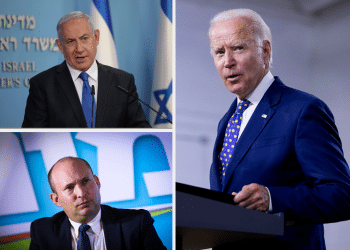
While Middle East analysts say Biden is building a team of people in whom he trusts, can rely on and can work together as a team, a good deal of concern centers on whether U.S. foreign policy will look too much like it did during the Obama administration.
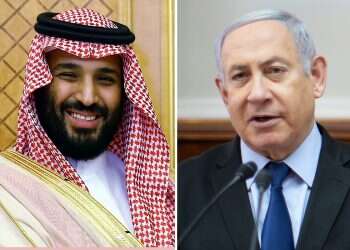
Mohammed Bin Salman is very worried about the future, mainly the possibility that a new administration in the White House will harm his country's vital interests.
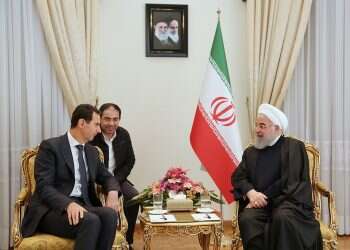
The historic meeting sends a clear message to the new administration in Washington, and even more so to the ayatollah regime in Tehran.
Jerusalem Center for Public Affairs fellow Irwin Mansdorf says most American Jews “see themselves as liberal and do not always see anti-Israelism as anti-Semitism, which is viewed as a right-wing issue. Israel-related issues are not ‘make-or-break.’”
Israel’s refusal to fully cooperate with the FBI on the Jonathan Pollard investigation only led to greater suspicions.
Defense acquisitions are complicated and entail lengthy negotiations and the involvement of a lot of different officials in multiple countries. But Israel never intended to expand its submarine fleet beyond a total of six.
The first issue of Israel Hayom appeared on July 30, 2007. Israel Hayom was founded on the belief that the Israeli public deserves better, more balanced and more accurate journalism. Journalism that speaks, not shouts. Journalism of a different kind. And free of charge.
All rights reserved to Israel Hayom
Hosted by sPD.co.il
[contact-form-7 id=”508379″ html_id=”isrh_form_Newsletter_en” title=”newsletter_subscribe”]