

Seminary students dig up Second Temple finds near Beit El
Finds indicate presence of Jewish community in various periods of history.

Finds indicate presence of Jewish community in various periods of history.


New find appears to put to rest doubts about the status of previous sections of ancient wall that surrounded Jerusalem in the First Temple Era.

Archaeological survey in northeast part of the Binyamin Regional Council reveals two coins that could indicate that Jews continued to live in the area for decades after the destruction of the Second Temple.

According to the scholars, the name Jerubba‘al appears in the book of judges as the nickname of Gideon, a judge who presided over that area of jurisdiction.

"It is a truly magnificent building, one of the most splendid public buildings we know of dating from the Second Temple period," says Shlomit Weksler-Bdolah, an archaeologist at the Israel Antiquities Authority.

A dig in the Western Wall Tunnels in Jerusalem reveals a hidden underground complex that experts say was used by the Jews to prepare for religious services during the Second Temple period.

Salvage dig to prevent Palestinian vandalism turns up Mamluk-era frescoes that archaeologist Dotan Traubman describes as "A world-class find of the type that people travel to Greece and Rome to see."
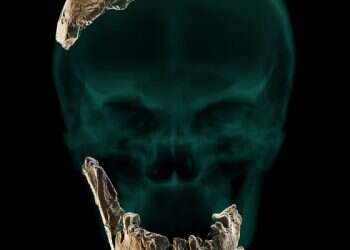
Tel Aviv University physical anthropologist Israel Hershkovitz says remains found at Nesher Ramla, which date back 120,000-140,000 years, are likely from "some of the last survivors of a once very dominant group in the Middle East."

Modern-day Israel, which lies at the limits of distribution of these two species, was the site of encounters and genetic exchange.

Starting in the 7th century CE, the Islamic ban on consuming pork led people in the Land of Israel to seek out other sources of protein, including chicken and eggs. Only a few intact ancient chicken eggs exist in the world, due to the fragility of the shells.