

Philistine genes help solve biblical mystery
DNA extracted from 10 skeletons in an ancient cemetery in Ashkelon links Philistines to populations in southern Europe in the Bronze Age.

DNA extracted from 10 skeletons in an ancient cemetery in Ashkelon links Philistines to populations in southern Europe in the Bronze Age.

Palestinians slam US Ambassador to Israel David Friedman, Trump envoy Jason Greenblatt for attending unveiling of 2,000-year-old thoroughfare in east Jerusalem neighborhood of Silwan. Friedman: This lays to rest all doubts about President Trump recognizing Jerusalem as capital of Israel.

As part of Nature Defense Forces initiatives, paratrooper recruits and commanders help excavate a structure dating back to the time of King Hezekiah in the eighth century BCE.

Archaeologists and microbiologists from the Israel Antiquities Authority and four Israeli universities team up to study yeast colonies found in microscopic pores in pottery fragments. "It opens up a whole new field of the possibility that perhaps other microorganisms survived as well," opening a portal into tasting cultures of the past, says Aren Maeir of Bar-Ilan University.
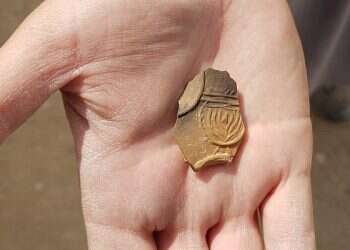
Find marks first evidence of 2,000-year-old Jewish settlement, as the site appears to contain underground hidden passageways used by Jewish rebels around the first century C.E., says Israel Antiquities Authority.
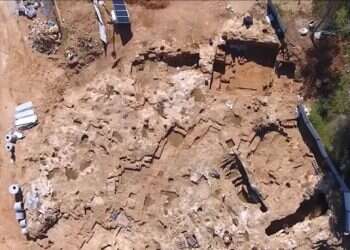
A large Hasmonean-era Jewish agricultural village was uncovered by archaeologists in the Jerusalem neighborhood of Sharafat, with a major, multigenerational...
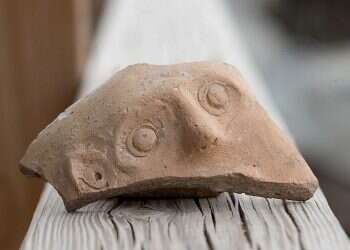
A fragment of a clay jar decorated with a human face dating back to the Persian era (fourth to fifth...

Haluza was once part of the Nabataean Incense Route and has been declared a World Heritage Site by UNESCO. In a Judeo-Arabic translation of the Pentateuch by Saadia Gaon, Haluza is associated with the biblical town of Gerar.
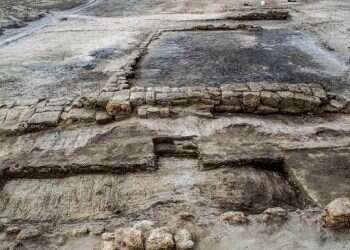
Egypt says archaeologists have uncovered an ancient workshop used to build and repair ships that dates back to the Ptolemaic...

The scrolls, a collection of manuscripts, some more than 2,000 years old, were first found in 1947 by local Bedouin in the area of Qumran, about 20 km (12 miles) east of Jerusalem.