Israel Hayom is a media organization founded on the belief that the Israeli public deserves better journalism—more balanced, more accurate, and more reliable. Journalism that speaks rather than shouts. Journalism that is trustworthy, objective, and matter-of-fact. A different kind of journalism, offered free of charge.
The first print edition was published on July 30, 2007, and in 2010 Israel Hayom became the Israeli newspaper with the highest weekday readership. The newspaper’s publisher is Dr. Miriam Adelson. Its Editor-in-Chief is Omar Lachmanovitch, and its founding editor is Amos Regev.
Israel Hayom’s Hebrew and English websites, as well as its Android and iOS applications, provide around-the-clock news coverage, exclusive content, breaking news and updates, analysis and commentary, video, podcasts, and live broadcasts.
The digital platforms of Israel Hayom include news and opinion channels covering culture and entertainment, lifestyle, technology, sports, business and consumer affairs, health, military affairs, food, Judaism, tourism, and automobiles.
In 2021, a new Hebrew-language website and mobile application were launched to provide users with a fast, up-to-date, secure, and convenient experience.
The content of the newspaper’s print edition is also available online through a daily digital edition and can be received via newsletter.
“The Israel Hayom Clique,” the publication’s exclusive benefits club, offers website users discounts and special promotions on products and services.
Israel Hayom welcomes feedback, criticism, and suggestions for improvement from its readers. You can contact the organization by email at hayom@israelhayom.co.il
While a final decision from Israel remains pending, the apprehension within the Biden administration is palpable enough that the prospect of an incursion has surfaced in intelligence briefings for senior officials, CNN reports. "We are operating under the assumption that an Israeli military operation is in the coming months," a senior Biden administration official said.
Israel's Deputy UN Ambassador Jonathan Miller said on Tuesday Israel is committed to improving the humanitarian situation in Gaza and that the quantity and pace of aid depended on the capacity of the UN and other agencies.
The march comes as negotiations are underway in Qatar to bring about a deal between Hamas and Israel that would lead to a ceasefire in exchange for the release of hostages. US President Joe Biden has said such a deal was at hand but officials from Israel and Hamas were skeptical of his optimism.
In a televised speech, Haniyeh also called on Palestinians in Jerusalem and the West Bank to march to Al-Aqsa Mosque to pray on the first day of Ramadan on March 10, raising the stakes in the indirect talks for a truce deal to have come into force by then.
Negotiators face an unofficial deadline of the start of the Muslim holy month of Ramadan around March 10, a period that often sees heightened Israeli-Palestinian tensions.
On the civilian front, according to the proposal's text, responsibility for public order will be based on local actors with "management experience," – not identified with countries or agencies supporting terrorism; a de-radicalization program will be promoted in all religious, educational, and welfare institutions in the strip; Israel will work to close UNRWA and rehabilitation of the strip will only be possible after completing demilitarization.
"The information and testimonies we provide clarify beyond any doubt what occurred, but significant parts of the story are still ahead of us," the Association of Rape Crisis Centers in Israel said. The document was handed over to UN.
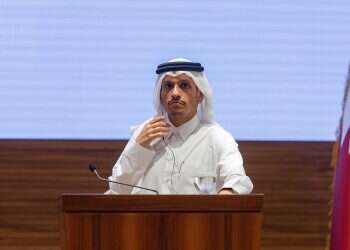
Foreign Ministry spokesperson Dr. Majed Al-Ansari said on Tuesday evening that Hamas confirmed they had begun to deliver the medications to the hostages in exchange for medicines and humanitarian aid for Palestinians in the Gaza Strip.