Israel Hayom is a media organization founded on the belief that the Israeli public deserves better journalism—more balanced, more accurate, and more reliable. Journalism that speaks rather than shouts. Journalism that is trustworthy, objective, and matter-of-fact. A different kind of journalism, offered free of charge.
The first print edition was published on July 30, 2007, and in 2010 Israel Hayom became the Israeli newspaper with the highest weekday readership. The newspaper’s publisher is Dr. Miriam Adelson. Its Editor-in-Chief is Omar Lachmanovitch, and its founding editor is Amos Regev.
Israel Hayom’s Hebrew and English websites, as well as its Android and iOS applications, provide around-the-clock news coverage, exclusive content, breaking news and updates, analysis and commentary, video, podcasts, and live broadcasts.
The digital platforms of Israel Hayom include news and opinion channels covering culture and entertainment, lifestyle, technology, sports, business and consumer affairs, health, military affairs, food, Judaism, tourism, and automobiles.
In 2021, a new Hebrew-language website and mobile application were launched to provide users with a fast, up-to-date, secure, and convenient experience.
The content of the newspaper’s print edition is also available online through a daily digital edition and can be received via newsletter.
“The Israel Hayom Clique,” the publication’s exclusive benefits club, offers website users discounts and special promotions on products and services.
Israel Hayom welcomes feedback, criticism, and suggestions for improvement from its readers. You can contact the organization by email at hayom@israelhayom.co.il
Amid low turnout in parliamentary election, regime lashes out at Iran's enemies. "This negative propaganda about the virus began a couple of months ago and grew larger ahead of the election," Khamenei says.
First partial results from the country’s parliamentary elections indicate a strong showing by hardliners, after more than 7,000 potential candidates had been disqualified, most of them reformists and moderates.
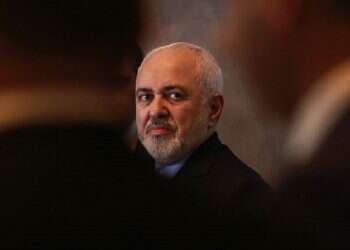
Claims that the region is affected by anti-Semitism are "propaganda. The peoples here have always hosted – and continue to host – Jews in a warm manner," Mohammad Javad Zarif says.
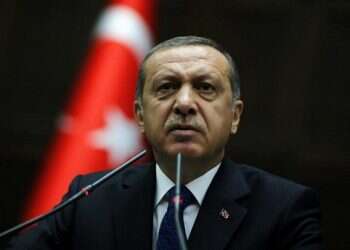
"We are entering the last days for the regime to stop its hostility in Idlib. We are making our final warnings," says Turkish President Recep Tayyip Erdogan, whose country has the second-largest army in NATO.
"The economies of the whole Arab world are not productive and depend on imported goods, Chinese goods," Hebron trades says. If the coronavirus continues to harm trade the effects will be felt across the region, he says.
"It's not very helpful at this stage as Lebanon seeks foreign aid and a bailout and the help of Gulf Arab states. This is not the message you want to send," says Mideast expert.
Nearly 900,000 Syrians, mostly women and children, have fled a Russian-backed Syrian offensive in the country's northwest. UN humanitarian chief calls on Security Council to prevent "the biggest humanitarian horror story of the 21st century." Syrian President Bashar Assad pledges to press ahead until complete victory "sooner or later."
United Arab Emirates issues license for reactor slated to provide a quarter of the country's energy needs. Abu Dhabi hails move as "new chapter" for its energy industry, stresses its nuclear ambitions are for "peaceful purposes."
Hundreds of thousands of civilians in Idlib province are scrambling to escape a widening, multi-front offensive by Syrian President Bashar Assad's forces.
Small rockets hit the Iraqi base hosting American troops and other coalition forces in Baghdad’s Green Zone early Sunday, but cause no casualties and only minor damage, according to a US military official.