Israel Hayom is a media organization founded on the belief that the Israeli public deserves better journalism—more balanced, more accurate, and more reliable. Journalism that speaks rather than shouts. Journalism that is trustworthy, objective, and matter-of-fact. A different kind of journalism, offered free of charge.
The first print edition was published on July 30, 2007, and in 2010 Israel Hayom became the Israeli newspaper with the highest weekday readership. The newspaper’s publisher is Dr. Miriam Adelson. Its Editor-in-Chief is Omar Lachmanovitch, and its founding editor is Amos Regev.
Israel Hayom’s Hebrew and English websites, as well as its Android and iOS applications, provide around-the-clock news coverage, exclusive content, breaking news and updates, analysis and commentary, video, podcasts, and live broadcasts.
The digital platforms of Israel Hayom include news and opinion channels covering culture and entertainment, lifestyle, technology, sports, business and consumer affairs, health, military affairs, food, Judaism, tourism, and automobiles.
In 2021, a new Hebrew-language website and mobile application were launched to provide users with a fast, up-to-date, secure, and convenient experience.
The content of the newspaper’s print edition is also available online through a daily digital edition and can be received via newsletter.
“The Israel Hayom Clique,” the publication’s exclusive benefits club, offers website users discounts and special promotions on products and services.
Israel Hayom welcomes feedback, criticism, and suggestions for improvement from its readers. You can contact the organization by email at hayom@israelhayom.co.il
More than 20 targets announced by the Terrorist Financing Targeting Center (TFTC) nations – which also include Bahrain, Kuwait, Oman, Qatar, Saudi Arabia and the United Arab Emirates – as US Treasury Secretary Steve Mnuchin continues on Middle East trip to finalize details of an economic development plan.
Officials who spoke with Israel Hayom say that any international plan to stabilize Lebanon must also include a pledge by the government of Lebanon to stop Hezbollah and Iran from pursuing their missile project. According to foreign reports, Hezbollah has 150,000 missiles, with Iran actively trying to upgrade some into GPS-guided projectiles.
Overnight attack comes as protests resume for fifth straight day over government corruption, unemployment, and other public grievances. Over 240 dead so far in wave of unrest.
Saad Hariri's decision, after two weeks of mass demonstrations, greeted with cheers by the few protesters who had returned to the epicenter of the protests in central Beirut.
Abu al-Hassan al-Muhajir, Islamic State spokesman and a high-ranking figure within the jihadi group, is killed by US and Kurdish forces in “a continuation of the previous operation” in which Islamic State leader Abu Bakr al-Baghdadi was killed on Saturday.
The ISIS leader would sometimes hold strategy talks with his commanders in moving minibuses packed with vegetables in order to avoid detection, one of his top aides informed agents after he was arrested by Turkish authorities and handed to the Iraqis. Ismael al-Ethawi "gave valuable information which helped the Iraqi multi-security agencies team complete the missing pieces of the puzzle of Baghdadi’s movements..." says Iraqi security official.
“We are now taking some actions to strengthen our position at Deir el-Zour, to ensure that we can deny ISIS access to the oil fields,” Defense Secretary Mark Esper tells reporters. Russia's Defense Ministry harshly criticizes the US decision as "international state banditry."
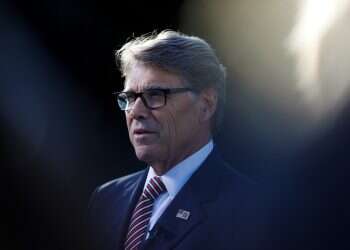
The world’s top oil exporter says it wants to use nuclear power to diversify its energy mix, but in order for US companies to compete for Saudi Arabia’s project, Riyadh would normally need to sign an accord on the peaceful use of nuclear technology with Washington. “The kingdom and the leadership in the kingdom will find a way to sign a 1,2,3 agreement with the United States, I think,” says US Energy Secretary Rick Perry.
“In view of the difficult financial, economic and living situation in the country, in view of security and political tensions that are prevailing in the region ... a [leadership] vacuum will lead to chaos, to collapse,” says Hezbollah leader Hassan Nasrallah. Lebanon has been swept by more than a week of nationwide protests against a political elite accused of corruption, mismanagement of the state finances and leading the country toward an economic collapse unseen since the 1975-1990 civil war.