

Iran says it has developed a firewall against Stuxnet virus
Stuxnet was used in 2010 to attack uranium enrichment facility at Natanz and is believed to be a cyber weapon developed by the U.S. and Israel.
Israel Hayom is a media organization founded on the belief that the Israeli public deserves better journalism—more balanced, more accurate, and more reliable. Journalism that speaks rather than shouts. Journalism that is trustworthy, objective, and matter-of-fact. A different kind of journalism, offered free of charge. The first print edition was published on July 30, 2007, and in 2010 Israel Hayom became the Israeli newspaper with the highest weekday readership. The newspaper’s publisher is Dr. Miriam Adelson. Its Editor-in-Chief is Omar Lachmanovitch, and its founding editor is Amos Regev. Israel Hayom’s Hebrew and English websites, as well as its Android and iOS applications, provide around-the-clock news coverage, exclusive content, breaking news and updates, analysis and commentary, video, podcasts, and live broadcasts. The digital platforms of Israel Hayom include news and opinion channels covering culture and entertainment, lifestyle, technology, sports, business and consumer affairs, health, military affairs, food, Judaism, tourism, and automobiles. In 2021, a new Hebrew-language website and mobile application were launched to provide users with a fast, up-to-date, secure, and convenient experience. The content of the newspaper’s print edition is also available online through a daily digital edition and can be received via newsletter. “The Israel Hayom Clique,” the publication’s exclusive benefits club, offers website users discounts and special promotions on products and services. Israel Hayom welcomes feedback, criticism, and suggestions for improvement from its readers. You can contact the organization by email at hayom@israelhayom.co.il

Stuxnet was used in 2010 to attack uranium enrichment facility at Natanz and is believed to be a cyber weapon developed by the U.S. and Israel.
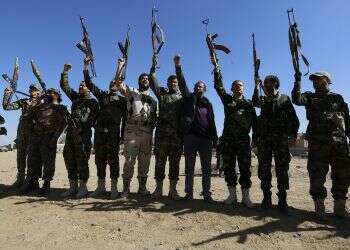
"The terrorist acts, ordered by the regime in Tehran and carried out by the Houthis, are tightening the noose around the ongoing political efforts," Saudi deputy defense minister says. Statement comes amid renewed tension in Gulf over possible sabotage of oil tankers by Iran or its proxies.

Move comes amid an escalation between Washington and Tehran. A Dutch government source cites unspecified security threat as reason for decision.

Faisal Abbas, editor-in-chief of Arab News, writes column supportive of administration's yet-to-be-released plan, saying could alleviate Palestinian suffering and make peace more possible. Administration has not shared details on plan and has consistently dismissed reported leaks as mere speculation.

The alert, published on the embassy's website on Wednesday, comes after Washington last week said it had detected new and urgent threats from Iran and its proxy forces in the region targeting Americans and American interests.

Saudi energy minister decries "cowardly" attacks, says recent acts of sabotage target not only Saudi Arabia but world's energy supply and global economy. U.S. President Donald Trump says he would "absolutely" be willing to send troops to the Middle East, but that he's not planned for that and hopefully won't have to plan for that.

Lebanon has long sought energy development but political bickering and dispute with Israel over maritime border has caused delays. Two countries have unresolved maritime border dispute over a sea zone of about 330 square miles.

Amid increasing speculation of new Iranian aggression, Ayatollah Ali Khamenei suggests neither side wants war. Leader insists country will not renegotiate nuclear deal from 2015.

Houthi rebels in Yemen, who are backed by Saudi Arabia's arch-rival Iran, claim attack on Saudi oil pipelines. Incident comes two days after four vessels are sabotaged off the coast of the United Arab Emirates.

Parliamentary spokesman Behrouz Nemati blames Israel for "events" that damaged ships. Meanwhile, satellite images of vessels indicates that damage might not be significant, despite reports.