Israel Hayom is a media organization founded on the belief that the Israeli public deserves better journalism—more balanced, more accurate, and more reliable. Journalism that speaks rather than shouts. Journalism that is trustworthy, objective, and matter-of-fact. A different kind of journalism, offered free of charge.
The first print edition was published on July 30, 2007, and in 2010 Israel Hayom became the Israeli newspaper with the highest weekday readership. The newspaper’s publisher is Dr. Miriam Adelson. Its Editor-in-Chief is Omar Lachmanovitch, and its founding editor is Amos Regev.
Israel Hayom’s Hebrew and English websites, as well as its Android and iOS applications, provide around-the-clock news coverage, exclusive content, breaking news and updates, analysis and commentary, video, podcasts, and live broadcasts.
The digital platforms of Israel Hayom include news and opinion channels covering culture and entertainment, lifestyle, technology, sports, business and consumer affairs, health, military affairs, food, Judaism, tourism, and automobiles.
In 2021, a new Hebrew-language website and mobile application were launched to provide users with a fast, up-to-date, secure, and convenient experience.
The content of the newspaper’s print edition is also available online through a daily digital edition and can be received via newsletter.
“The Israel Hayom Clique,” the publication’s exclusive benefits club, offers website users discounts and special promotions on products and services.
Israel Hayom welcomes feedback, criticism, and suggestions for improvement from its readers. You can contact the organization by email at hayom@israelhayom.co.il
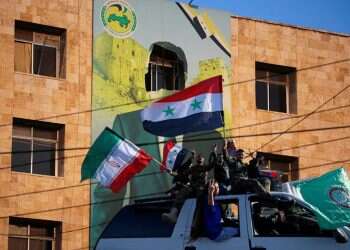
Iran withdrew all Revolutionary Guards from Syria on December 5, just days before Assad's regime collapsed. "From today, we are no longer responsible for you," Iranian commanders told Syrian officers. Thousands evacuated through Russian bases and border crossings.
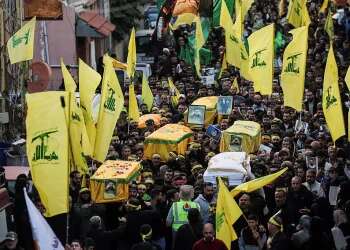
Hussain Abdul-Hussain, who grew up in Baalbek, told Israel Hayom of the cautious hope created by direct talks with Israel and the collapse of public support for Hezbollah. "Many Lebanese want peace", he says, but regional dynamics complicate progress.
US President Donald Trump hinted at rising tensions between Jerusalem and Damascus, writing that "It is very important that Israel maintain a strong and true dialogue with Syria, and that nothing takes place that will interfere with Syria’s evolution into a prosperous State."
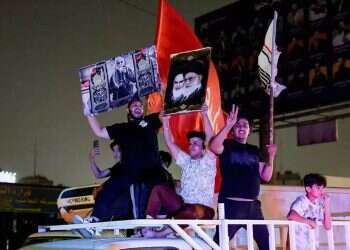
According to a report by Saudi channel Al-Hadath, President Donald Trump’s special envoy for Syria Tom Barrack warned Iraqi Prime Minister Mohammed Shia al-Sudani that pro-Iranian militias in Iraq would be attacked if they intervened on behalf of the Lebanese terrorist organization.
Iranian media reported that operatives from the “Handala” organization left a threatening message in the car of a senior Israeli scientist. A note left at the scene read: “Yesterday, you received our bouquet. A harmless object, at first glance. But you noticed its weight, didn’t you?”
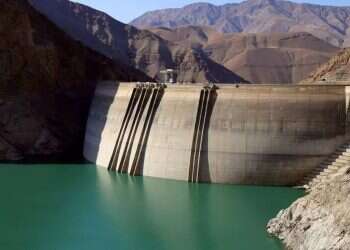
Iran’s worsening water crisis is making life increasingly difficult in Tehran, after the Amir Kabir Dam north of the capital stopped generating electricity because water levels in its reservoir have dropped too low to operate the turbines.
The Houthis have managed to close the gaps in their military equipment that were exposed during the war in Gaza and in their confrontation with Israel, according to Arm News. The report said they succeeded in building an extensive maritime, land and air smuggling network that has been moving advanced equipment from Iran to the Yemeni rebels.
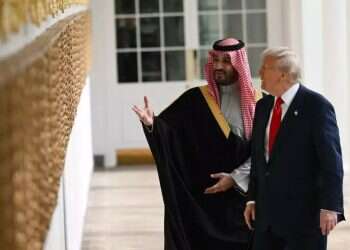
The Lebanese newspaper Al Akhbar reported that Saudi Crown Prince Mohammed bin Salman received Washington’s approval to negotiate with Iran on a new nuclear agreement. According to the report, bin Salman convinced President Donald Trump that such an initiative is necessary for regional stability.