
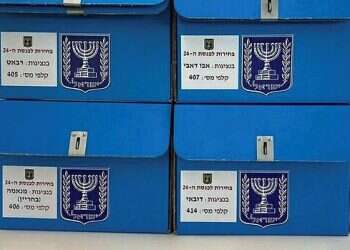
11 surprising figures about the 25th Knesset election
We take a look at some interesting statistics s Israel holds its fifth election in under four years.
Israel Hayom is a media organization founded on the belief that the Israeli public deserves better journalism—more balanced, more accurate, and more reliable. Journalism that speaks rather than shouts. Journalism that is trustworthy, objective, and matter-of-fact. A different kind of journalism, offered free of charge. The first print edition was published on July 30, 2007, and in 2010 Israel Hayom became the Israeli newspaper with the highest weekday readership. The newspaper’s publisher is Dr. Miriam Adelson. Its Editor-in-Chief is Omar Lachmanovitch, and its founding editor is Amos Regev. Israel Hayom’s Hebrew and English websites, as well as its Android and iOS applications, provide around-the-clock news coverage, exclusive content, breaking news and updates, analysis and commentary, video, podcasts, and live broadcasts. The digital platforms of Israel Hayom include news and opinion channels covering culture and entertainment, lifestyle, technology, sports, business and consumer affairs, health, military affairs, food, Judaism, tourism, and automobiles. In 2021, a new Hebrew-language website and mobile application were launched to provide users with a fast, up-to-date, secure, and convenient experience. The content of the newspaper’s print edition is also available online through a daily digital edition and can be received via newsletter. “The Israel Hayom Clique,” the publication’s exclusive benefits club, offers website users discounts and special promotions on products and services. Israel Hayom welcomes feedback, criticism, and suggestions for improvement from its readers. You can contact the organization by email at hayom@israelhayom.co.il

We take a look at some interesting statistics s Israel holds its fifth election in under four years.
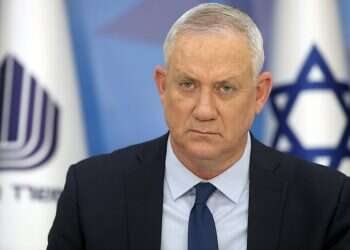
The State Party leader fears Netanyahu and Lapid could try to dissolve the Knesset. But if the incumbent prime minister gets the first shot at forming a coalition, Gantz believes this would ultimately result in him landing the top job.
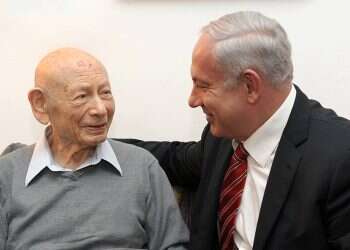
The prime minister took a page from the playbook of his father the journalist. The Likud chairman inherited a national view of issues. The president will have to face the national dilemma that his father faced. Leadership, the next generation.


If Netanyahu wins, his government could be forced to lean for the first time on radical, nationalist fringe elements who want to smash the fundamental broad consensus of Israeli society.
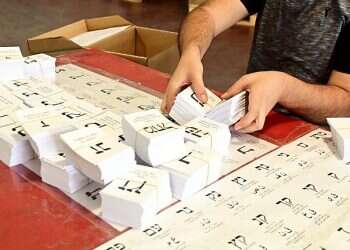
Even after three and a half years of crisis and five election rounds, let us remember that politics is a means to an end, not an end unto itself.

Israelis head to the polls again, but country unlikely to emerge from gridlock. Former Prime Minister Benjamin Netanyahu hopes to make comeback, while voting in Jerusalem, asks citizens "to exercise the democratic right to determine the country's fate."
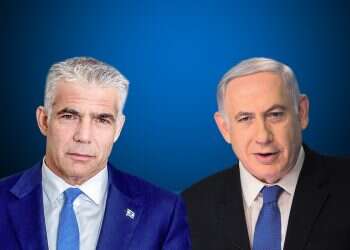
Likud hopes the "enthusiasm gap," which traditionally favors the Left, could drop significantly and make the difference. Haredi leaders warn voters that staying at home means "profaning God's name."

Voting records from predominantly Haredi communities indicate that since Itamar Ben-Gvir entered politics in 2019, support for him in those areas has increased over Israel’s four successive elections – though he still lagged behind the established ultra-Orthodox parties.

In Israel’s fragmented political system, neither Netanyahu’s right-wing Likud party nor Lapid’s centrist Yesh Atid is expected to capture enough seats in parliament to form a new government. Instead, each hopes to secure the required 61-seat majority in the Knesset, or parliament, with the support of smaller political allies.

The buzz surrounding former chief of staff Gadi Eisenkot's decision to enter the political fray and the intense wagering surrounding the question of his choice of political party now appear to have been completely unfounded. On the eve of the elections, it is probably safe to say that the strong comradeship of ex-IDF generals leading him to a political bond with Benny Gantz has not delivered the goods.