Israel Hayom is a media organization founded on the belief that the Israeli public deserves better journalism—more balanced, more accurate, and more reliable. Journalism that speaks rather than shouts. Journalism that is trustworthy, objective, and matter-of-fact. A different kind of journalism, offered free of charge. The first print edition was published on July 30, 2007, and in 2010 Israel Hayom became the Israeli newspaper with the highest weekday readership. The newspaper’s publisher is Dr. Miriam Adelson. Its Editor-in-Chief is Omar Lachmanovitch, and its founding editor is Amos Regev. Israel Hayom’s Hebrew and English websites, as well as its Android and iOS applications, provide around-the-clock news coverage, exclusive content, breaking news and updates, analysis and commentary, video, podcasts, and live broadcasts. The digital platforms of Israel Hayom include news and opinion channels covering culture and entertainment, lifestyle, technology, sports, business and consumer affairs, health, military affairs, food, Judaism, tourism, and automobiles. In 2021, a new Hebrew-language website and mobile application were launched to provide users with a fast, up-to-date, secure, and convenient experience. The content of the newspaper’s print edition is also available online through a daily digital edition and can be received via newsletter. “The Israel Hayom Clique,” the publication’s exclusive benefits club, offers website users discounts and special promotions on products and services. Israel Hayom welcomes feedback, criticism, and suggestions for improvement from its readers. You can contact the organization by email at hayom@israelhayom.co.il

Monday Jul 20, 2026
NEWSLETTER
www.israelhayom.com
  • Home
  • News
    • Israel
    • Israel at War
    • Middle East
    • United States
  • Opinions
  • Jewish World
    • Archaeology
    • Antisemitism
  • Lifestyle
    • Food
    • Travel
    • Fashion
    • Culture
  • Magazine
    • Feature
    • Analysis
    • Explainer
  • In Memoriam
www.israelhayom.com
  • Home
  • News
    • Israel
    • Israel at War
    • Middle East
    • United States
  • Opinions
  • Jewish World
    • Archaeology
    • Antisemitism
  • Lifestyle
    • Food
    • Travel
    • Fashion
    • Culture
  • Magazine
    • Feature
    • Analysis
    • Explainer
  • In Memoriam
www.israelhayom.com
Home News

Settlement population growth slows for 10th straight year

by  Efrat Forsher
Published on  01-08-2019 00:00
Last modified: 01-08-2019 00:00
Settlement population growth slows for 10th straight year

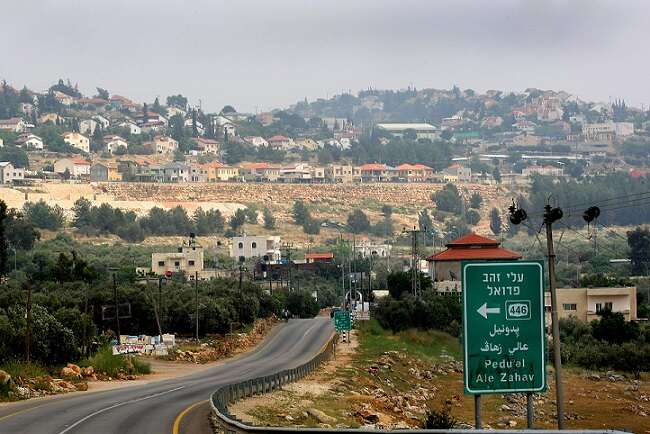
A sign at the entrance to the Samaria settlement Beit Aryeh points the way to neighboring settlements Peduel and Alei Zahav

Share on FacebookShare on Twitter

The rate of population growth in Israel's settlements in Judea and Samaria has been slowing down consistently for 10 years, according to figures from the Council of Jewish Communities in Judea and Samaria.

Settlement leaders explain that the slowdown in settlement growth is the result of the government not building enough new settlement homes, meaning that fewer Israelis are moving there.

According to the report, settlements in Judea and Samaria saw population growth of 3% in 2018, compared to 3.4% in 2017 and 3.9% in 2016. The number of new residents of Judea and Samaria also dropped from 14,299 in 2017 to 12,964 in 2018.

The Jewish population growth rate in Judea and Samaria started to slow in 2009 when Israel agreed to then-U.S. President Barack Obama's demand to freeze construction in the settlements. A year earlier, in 2008, the settler population saw an all-time high in growth, reaching 5.6%. At the time, settlement leaders believed that the growth rate would continue and push the population of the settlements over half a million within a few years, but at the end of 2018, the number of Jewish residents of Judea and Samaria stood at 448,672.

The Samaria settlement Alei Zahav, which attracts mainly young families, saw the highest growth in 2018, with the number of its residents increasing by 22.6%. Maale Amos in Gush Etzion saw the second-highest growth rate, 17%, following by Slait in the Jordan Valley (16.5%) and the secular kibbutz Beit Haarava near the Dead Sea (15.9%).

"We're happy to see that the number of residents in the area is growing, but in recent years there hasn't been enough construction in the settlements," council head Hananel Dorani said in response to the publication of the 2018 figures.

"The relatively slow rate of construction is the result of, among other things, an eight-year construction freeze, and today only small-scale plans are being approved. These figures are a shout out to the next government: We will be demanding more of an effort to clear obstacles to construction in Judea and Samaria and the Jordan Valley.

"This is the way to continue promoting the settlements and even increase the housing available in Israel, and as a result lowering [housing] prices," Dorani said.

Despite the declining growth rate, the Israeli population in Judea and Samaria is still seeing more growth than the nation as a whole, which saw its population increase by 2% in 2018.

Most of the Jewish residents of Judea and Samaria live in 150 settlements. Forty-five percent of Israeli residents of Judea are under the age of 17, compared to 27% of the population of Israel as a whole.

Related Posts

Iran and Houthis coordinate responses to potential Israeli-US strikesEPA/YAHYA ARHAB

Houthis declare naval blockade against Saudi Arabia

by Shachar Kleiman

Yemen's Iran-backed group threatens wider escalation as pro-government forces reinforce key battlefronts.

Transition at Downing Street: Starmer bows out, Andy Burnham to become PMAaron Chown /AFP

Transition at Downing Street: Starmer bows out, Andy Burnham to become PM

by Adi Nirman and Dudi Kogan

Former Manchester mayor takes helm of British government after his meeting with King Charles.

'Iran is playing its last cards'

'Iran is playing its last cards'

by Shachar Kleiman

Even as Tehran continues firing missiles and issuing threats, Gulf states believe the Iranian regime is losing regional influence, as...

Menu

Analysis 

Archaeology

Blogpost

Business & Finance

Culture

Exclusive

Explainer

Environment


Features

Health

In Brief

Jewish World

Judea and Samaria

Lifestyle

Cyber & Internet

Sports


Diplomacy 

Iran & The Gulf

Gaza Strip

Politics

Shopping

Terms of use

Privacy Policy

Submissions

Contact Us

About Us

The first issue of Israel Hayom appeared on July 30, 2007. Israel Hayom was founded on the belief that the Israeli public deserves better, more balanced and more accurate journalism. Journalism that speaks, not shouts. Journalism of a different kind. And free of charge.

All rights reserved to Israel Hayom

Hosted by sPD.co.il

  • Home
  • News
    • Israel at War
    • Israel
    • United States
    • Middle East
    • Sports
  • Opinions
  • Jewish World
    • Archaeology
    • Antisemitism
  • Lifestyle
    • Food
    • Travel
    • Fashion
    • Culture
  • Magazine
    • Feature
    • Analysis
    • Explainer
    • Environment & Wildlife
    • Health & Wellness
  • In Memoriam
  • Subscribe to Newsletter
  • Submit your opinion
  • Terms and conditions

All rights reserved to Israel Hayom

Hosted by sPD.co.il

Newsletter

[contact-form-7 id=”508379″ html_id=”isrh_form_Newsletter_en” title=”newsletter_subscribe”]

  • Home
  • News
    • Israel at War
    • Israel
    • United States
    • Middle East
    • Sports
  • Opinions
  • Jewish World
    • Archaeology
    • Antisemitism
  • Lifestyle
    • Food
    • Travel
    • Fashion
    • Culture
  • Magazine
    • Feature
    • Analysis
    • Explainer
    • Environment & Wildlife
    • Health & Wellness
  • In Memoriam
  • Subscribe to Newsletter
  • Submit your opinion
  • Terms and conditions

All rights reserved to Israel Hayom

Hosted by sPD.co.il