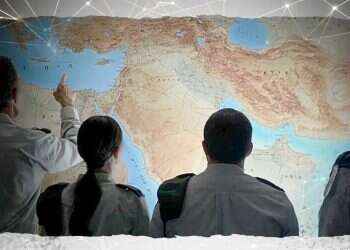
From the day Prime Minister Benjamin Netanyahu began his second term in office nearly a decade ago, the brunt of his strategic focus has been on Iran. Today we can tentatively say that even if this mission hasn't been completed, it can be in the not-so-distant future if those tasked with carrying it out aren't sidetracked.
Beyond the obvious danger posed by Iran – developing nuclear weapons and threatening to annihilate Israel – Netanyahu realized that even Israel's tactical enemies, Hezbollah and Hamas, are driven, directed and strengthened by Iran.
In the mythological tale of Hydra, the multi-headed monster, Hercules understood that severing one head would only lead to others growing. So he seared the neck after chopping off each head, and thus fell the monster. Netanyahu also understands that undermining Iran, to the point of toppling its hostile regime, is the only way to truly defeat its local proxies.
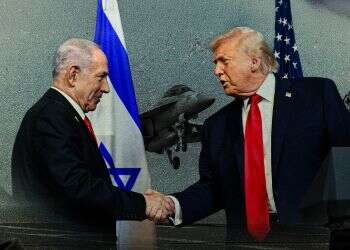
Meanwhile, global and regional developments – such as the Arab spring, which weakened Israel's traditional enemies, or the rise of U.S. President Donald Trump, who views world geopolitics through the same prism as Netanyahu – have given the prime minister opportunities his predecessors never had.
Nevertheless, a wise leader knows how to leverage opportunities and simultaneously avoid obstacles – of which there have been plenty. We only need to recall the eight difficult years of the Obama presidency; the electoral pressures on western European countries caused by waves of immigration; and the (temporary) rise to power of the Muslim Brotherhood in Egypt and the Islamists in Turkey.
Netanyahu was among the few who understood as early as a decade ago that the economic front was where Iran would meet its demise. He pushed for sanctions against the ayatollah regime, using both his rhetorical talents and Israel's magnificent capabilities in the field of intelligence gathering. Exposing Iran's nuclear archive was derided by the opposition at the time, but made it easier for Trump to withdraw from the suicidal 2015 nuclear deal with Iran and start the current snowball rolling. The airstrikes in Syria and Operation Northern Shield to eliminate Hezbollah's cross-border tunnels are also tactical victories that serve the strategic purpose – to foment internal chaos within Iran's military and political system.
At the same time, Netanyahu must face challenges posed by Israeli public opinion. Beyond the legal nuisances the oppositin pursues night and day, he has to contend with criticism from the Right about terror from the Gaza Strip or the evacuation of the Bedouin village of Khan al-Ahmar. We would all like to see an aggressive approach on these matters, as well, but Netanyahu has to bide his time before implementing any long-term solutions on these fronts. If any of these issues stymie the pace of Israeli rapprochement with the large Arab countries – which serves the strategic fight against Iran – then it's best to postpone them. It stands to reason that when Israel and the Arab world become viable economic partners, their appetite for opposing such actions will be diminished. Moreover, the Palestinian Authority's expected collapse once PA President Mahmoud Abbas exits the stage could also open the door to a variety of possibilities.
We will probably see a number of significant developments as spring draws near: the exacerbation of Iran's economic woes; parliamentary elections in Europe will likely see right-wing, pro-Israeli and anti-Iranian parties gain power; Israel's continued rapprochement with Arab and Muslim countries. Not to mention that enough time remains for the Trump administration to help complete the task. This is a critical juncture for Israel's most important endeavor, and pursuing it without pause is vital.