The government on Sunday agreed to undertake deep budget cuts in order to divert funds into increasing the wages of security personnel.
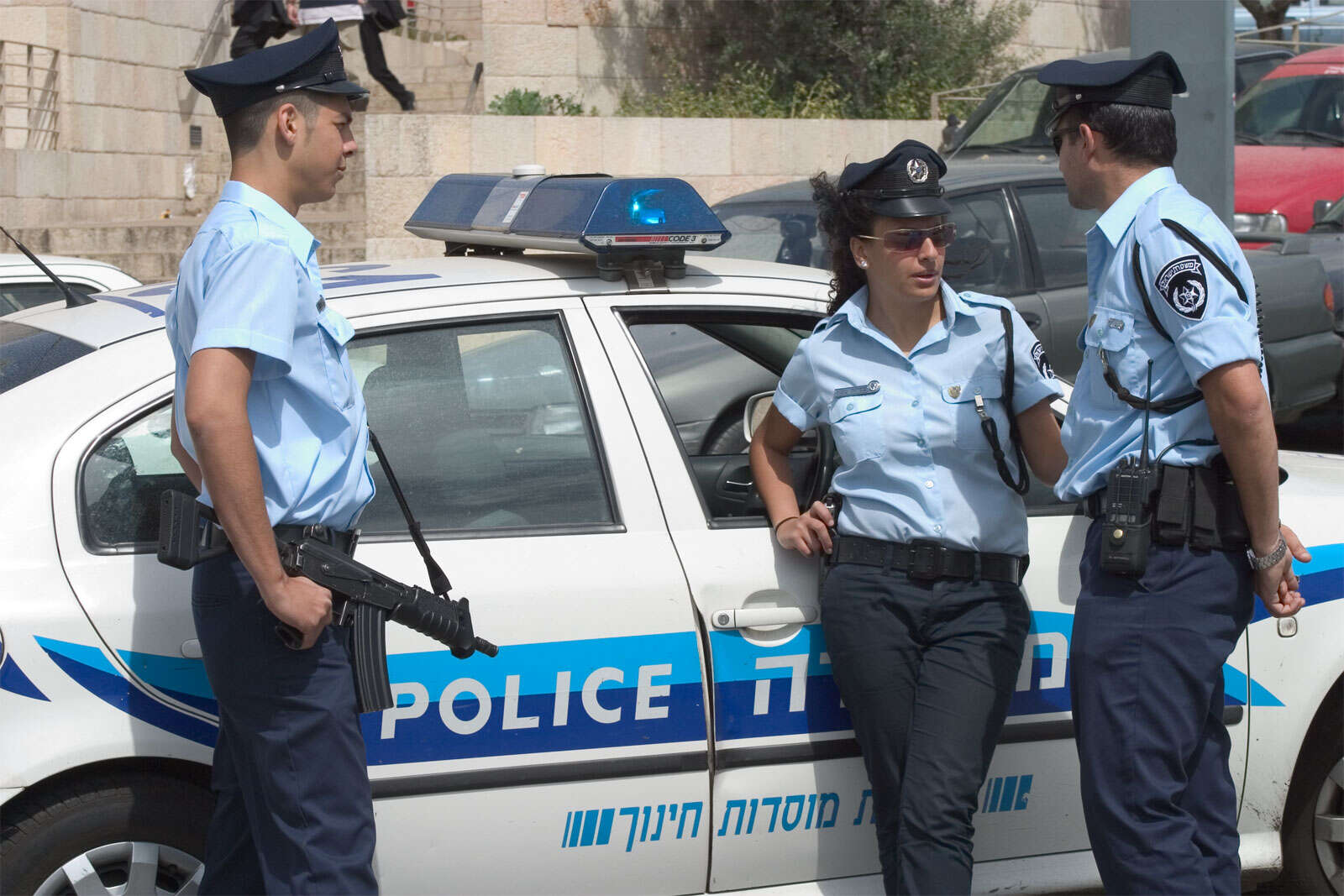
The 22 billion shekel ($5.9 billion) lateral cut will be implemented through 2035 and will benefit Israel Police and Israel Prison Service employees, increasing salaries and pensions.
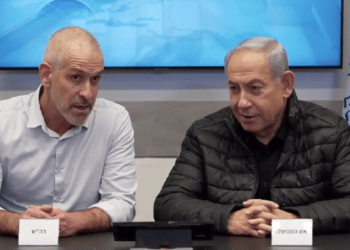
The decision followed a heated debate, which included two recesses. During the meeting, Prime Minister Benjamin Netanyahu and Finance Minister Moshe Kahlon held private consultations. The majority of the ministers voiced their opposition to the move, but eventually, only three ministers – Interior Minister Aryeh Deri, Culture and Sports Minister Miri Regev and Welfare and Social Services Minister Haim Katz – voted against the cut.
A source present at the meeting stressed that while the cut is meant primarily to increase the wages of security personnel, some of the funds will go toward aiding Israeli communities on the Gaza border, hiring additional construction inspectors, and funding the production of the Eurovision Song Contest next spring.
According to the government's plan, defense spending will be slashed by NIS 167 million ($45 million), the Public Security Ministry's budget will sustain a NIS 138 million ($37 million) cut, some NIS 77 million ($21 million) will be taken from the Education Ministry, the Health and Economy and Industry ministries will forfeit about NIS 29 million ($8 million) each, the Welfare and Social Services Ministry's budget will be cut by NIS 24 million ($6 million) and the Agriculture Ministry will lose NIS 16 million ($4 million).
"This is a serious decision that will profoundly affect the Israeli public's health," Deputy Health Minister Yakov Litzman warned after the meeting. "These budget cuts could ruin the health care system."
Agriculture Minister Uri Ariel called the move a "disgrace."
Kahlon, however, welcomed the move, calling it "a historic decision that does right by the Israel Police and its veterans, who make a lot of sacrifices for Israel's security."