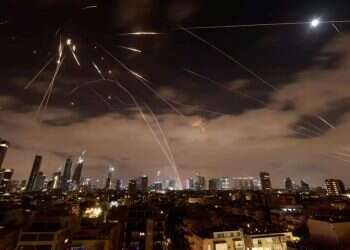
For the past year, we've been living under the shadow of intimidation regarding Hezbollah's capabilities. The warnings ranged from hundreds of casualties in the first wave of missiles to the destruction of a quarter of the infrastructure from Tel Aviv northward. However, at least for now, it has become clear that if you choose a preemptive strike and are willing to pay the price, that price might not be as steep as once thought.
After Hassan Nasrallah, may Allah have mercy on him, recovered from the shock of discovering that paradise wasn't waiting for him in the afterlife, and from the abrupt end to his Friday lunch with the boys, he must have pondered the fundamental question: How did this happen to him?
After all, he knew the Israelis – perhaps better than they knew themselves – and was well aware that they were a web of fragile threads. He had seen them flee Lebanon due to roadside bombs and skirmishes, launch a war against him only to end it with a whimper, and suffer a terrible surprise attack with their eyes wide open. How, then, within a week and a half, did they manage to eliminate thousands of his fighters using pagers and communication devices, take out all his senior officials in a series of air operations, and finally bring down the serpent's head himself?
Nasrallah knew three fundamental reasons why Israel is hesitant to attack.
The first reason is concern for the safety of their soldiers. The people of Israel generally value human life more than their neighbors, and this sentiment has only grown stronger. The withdrawal from Lebanon and the great fear of a ground invasion into Gaza stem primarily from the understanding that such moves come at a cost. In a country where every fallen soldier makes the front page of all newspapers with a black banner, we prefer to ask, "What business do we have there?" and convince ourselves that if we do our best to live alongside the enemy, they will try to live alongside us as well.
The second reason is the purity of arms – concern about harming innocent civilians. After all, Israel is the country where the Air Force commander is asked how a pilot feels after launching a missile and later discovering that civilians were killed, and his cynical response is remembered even two decades later. It's a country so afraid of becoming like its enemies that even the elimination of bloodthirsty mass murderers prompts some to express regret that we've stooped to this level, and calls for restraint regarding celebrations.
The third reason – which is a consequence of the second – is the desire for legitimacy from our allies, or what is known in proper Hebrew as "the world." If we kill innocent civilians, we risk criticism from the world. There could be an economic crisis, academia might boycott us, and BDS movements could gain strength. Therefore, it's better to think twice and thrice before each targeted elimination, taking into account the risk that if we reduce the explosive power to avoid harming civilians, we might not really succeed in hitting the target.
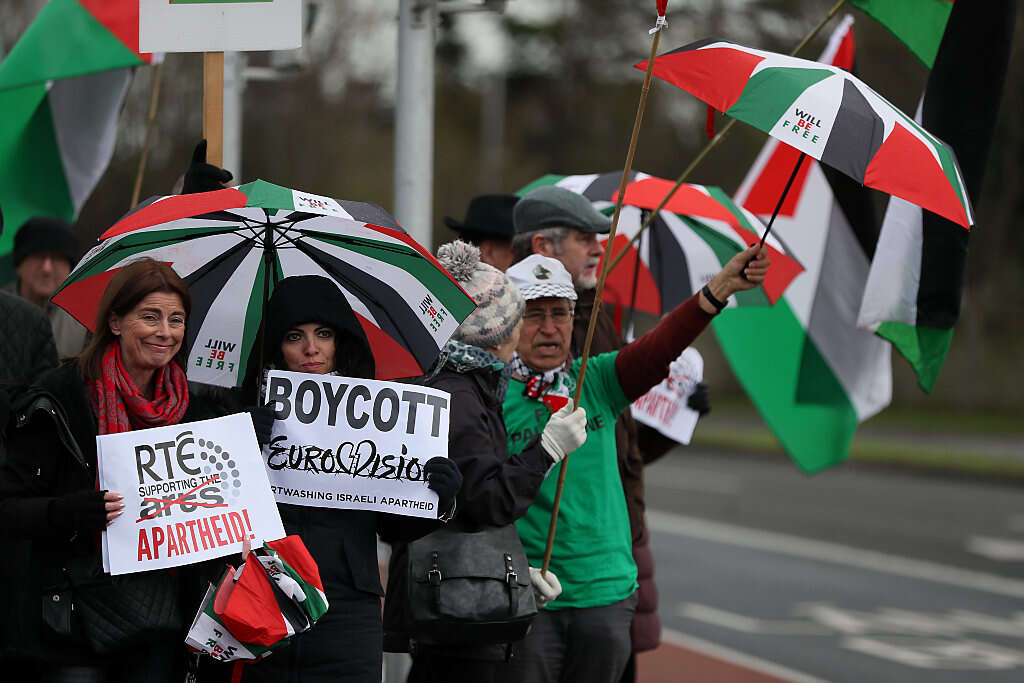
Sayyed Hassan didn't understand that these three reasons have evaporated in the Middle Eastern air over the past year.
The State of Israel still regards its soldiers with sacred reverence, and every respectable media outlet knows exactly how many soldiers have fallen since the beginning of the maneuver and in general. But it has understood – like Great Britain in its time – that those who choose disgrace will get war, and it will be very painful.
The 1,200 casualties in one day made the Israeli public realize that fleeing from a decisive confrontation and rolling the problem along in the hope that it will explode in someone else's face is simply not a solution. And after a year of living under the threats of Hezbollah's capabilities, which ranged from hundreds of casualties in the first wave of missiles to the destruction of a quarter of the infrastructure from Tel Aviv northward, it has become clear, at least for now, that if you choose a preemptive strike and are willing to pay the price, that price might not be as steep as once thought.
The State of Israel is also not eager to kill women and children. But it has understood that viewing your enemy as just a group of individuals is a Western illusion. The enemy is a nation; this nation is fighting us, and we need to defeat it. This understanding was reinforced by images proving how the murderers and looters received assistance and support from all segments of the population – the elderly, children, women, and people on crutches. They all support our death, and we understand that if civilians are killed in a bombing, their blood is in the hands of their leaders and brothers who started the war. Even if the Hezbollah secretary general is sitting in a residential neighborhood in Beirut, deep underground, it's okay for a few buildings to collapse in order to take him and his entire general staff to a world that is all evil.
Lastly, the State of Israel has understood that even after the most barbaric attack it has ever suffered, there are those who will not support "Israel's right to defend itself." Alongside efforts in public diplomacy and diplomatic activity, Israel will strike at its enemies, knowing that those who hate us (whether due to remnants of antisemitism, guilt over centuries of colonialism, interests in the dictatorial axis of evil, or any other reason) will continue to be against us – and that alongside them, there are also those who respect those who attack their enemies with strength and sophistication.
It's hard to remember all this less than a year after that Simchat Torah holiday. Now, we must remember these conclusions even twenty years from now, when a new and annoying enemy rises from the south or north, and even more urgently – to apply them to the enemy in Judea and Samaria as well.