

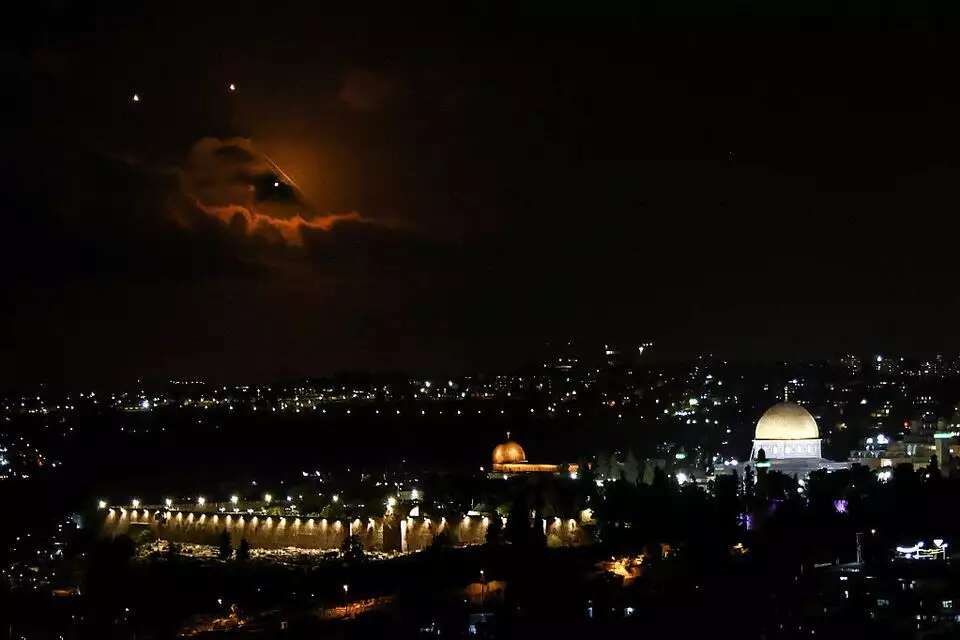
The Iranian missile attack last night (Tuesday) on IDF bases in central Israel and the Negev was expected. Israel had been preparing for several days, even receiving an early warning, which allowed enough time to update public defense guidelines.
Once again, civilian discipline, combined with the impressive success of air defense systems, saved lives. Despite the massive barrage of around 180 missiles, fired in several waves, Iran achieved very limited success - far from its original intent to inflict significant damage on Air Force, intelligence bases, and Mossad headquarters.

This was the second time that Iran has openly and directly attacked Israel. The first time, on April 14, it launched about 350 drones, cruise missiles, and ballistic missiles towards Israel. Most were intercepted through the combined efforts of Israel and a U.S.-led Western-Arab coalition. This time, Iran changed tactics: instead of using drones and cruise missiles, which provide Israel more time to detect and intercept them, it chose to fire only ballistic missiles, whose flight time is much shorter (about 12 minutes), forcing Israel to handle the threat almost alone.

The long distance these missiles traveled allowed Israel three layers of interception. The first, at longer ranges, with the Arrow system; the second, at mid-range, with the David's Sling system; and the third, at close range, with Iron Dome batteries. The systems, working in full synchronization, recorded high interception rates but did not offer complete protection. However, the IDF clarified last night that despite the impact of several missiles, the Air Force's readiness and operations were not compromised.
Iran is cornered
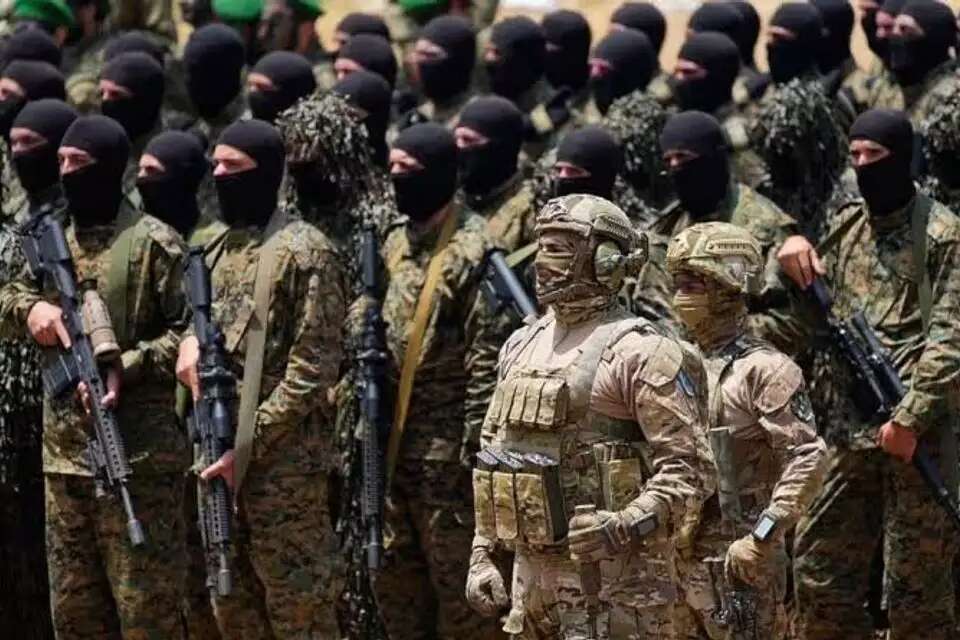
It is likely that yesterday's Iranian attack was a result of pressure from its proxies, who feel abandoned and exposed under Israeli pressure in recent weeks. Hezbollah, having suffered significant blows - including the loss of two senior military figures yesterday - has seen its operational capabilities diminished. This is reflected in its difficulty launching missile and rocket barrages into Israel. Yesterday, the group fired rockets on two occasions towards central Israel, but these were isolated incidents, far from its original operational plan.
The Houthi rebels in Yemen were also significantly impacted by the Israeli airstrike earlier this week. The Air Force not only struck the refining facilities in Hudaydah but also the port through which the Houthis import refined oil. As a result, the Houthis are likely to face a severe fuel crisis, prompting them to request urgent assistance from Iran. Tehran, already under pressure to respond after the assassination of Ismail Haniyeh at a Revolutionary Guard facility, was once again cornered, leading to yesterday's action.
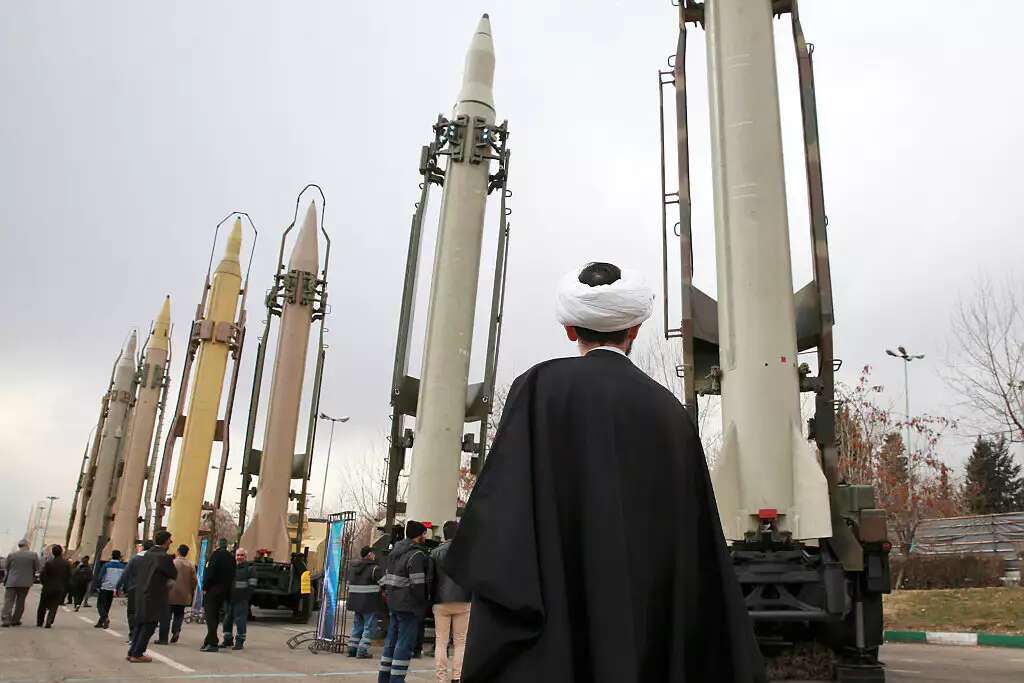
The failure of the Iranian attack allows Israel to calmly consider how and when to respond. A response is likely to come soon, as unlike Iran, Israel tends to act quickly to maintain a clear connection between cause and effect. The targets could vary: Israel may choose to maintain a tit-for-tat approach (as it did in April), striking only military targets—bases, factories, and weapons. Alternatively, it could target infrastructure that would harm the Iranian regime and its economy, such as oil, gas, and petrochemical facilities, hoping that the ensuing crisis would spark public anger against the regime.
It seems that in its response, Israel needs to consider how far it wants to escalate this now fully overt war with Iran. In theory, all options are on the table (including a strike on nuclear sites), but Israel must account for the possibility of a broader regional conflict. Iran could retaliate not just against Israel but also against its overt and covert allies - from the U.S. to Saudi Arabia and Jordan.
In this situation, before acting, Israel would do well to coordinate its response with Washington, especially given that the U.S. is weeks away from elections and could be drawn into deeper military involvement than it planned. Israel also needs to consider the impact of escalating the conflict on active fronts in Lebanon and Gaza, which could flare up even more. Yesterday's attack in Jaffa serves as a reminder that the West Bank is also volatile and threatening, and the attack from there claimed a far heavier toll on Israel than the missile assault from Iran.


