Friday Dec 5, 2025
NEWSLETTER
www.israelhayom.com
  • Home
  • News
    • Israel
    • Israel at War
    • Middle East
    • United States
  • Opinions
  • Jewish World
    • Archaeology
    • Antisemitism
  • Lifestyle
    • Food
    • Travel
    • Fashion
    • Culture
  • Magazine
    • Feature
    • Analysis
    • Explainer
  • In Memoriam
www.israelhayom.com
  • Home
  • News
    • Israel
    • Israel at War
    • Middle East
    • United States
  • Opinions
  • Jewish World
    • Archaeology
    • Antisemitism
  • Lifestyle
    • Food
    • Travel
    • Fashion
    • Culture
  • Magazine
    • Feature
    • Analysis
    • Explainer
  • In Memoriam
www.israelhayom.com
Home News Israel at War

Israeli assessment: Iran op devastated regime's missile production

According to estimates, Iran currently has 'only' a few hundred long-range ground-to-ground missiles remaining. Tehran still considers whether and how to respond to Israeli strikes.

by  Lilach Shoval
Published on  11-13-2024 15:28
Last modified: 11-14-2024 11:00
Share on FacebookShare on Twitter

The question of Iran's response to the Israeli counterattack on October 26 may have faded somewhat from headlines recently. However, Israel's defense establishment believes that despite the time elapsed, Iranian leadership is still deeply mired in the dilemma of whether and how to react. While the Israeli action did not create fiery images within Iran, it dealt a precise, significant blow to strategic Iranian infrastructure.

Reports so far indicate that Israel targeted Iran's air defense systems—primarily the Russian-made S-300—and its ground-to-ground missile production capabilities. According to assessments in Israel, the Israeli attack damaged solid explosives used in Iran's ground-to-ground missiles, reducing Iran's missile production capacity to around 10% of its pre-strike level.
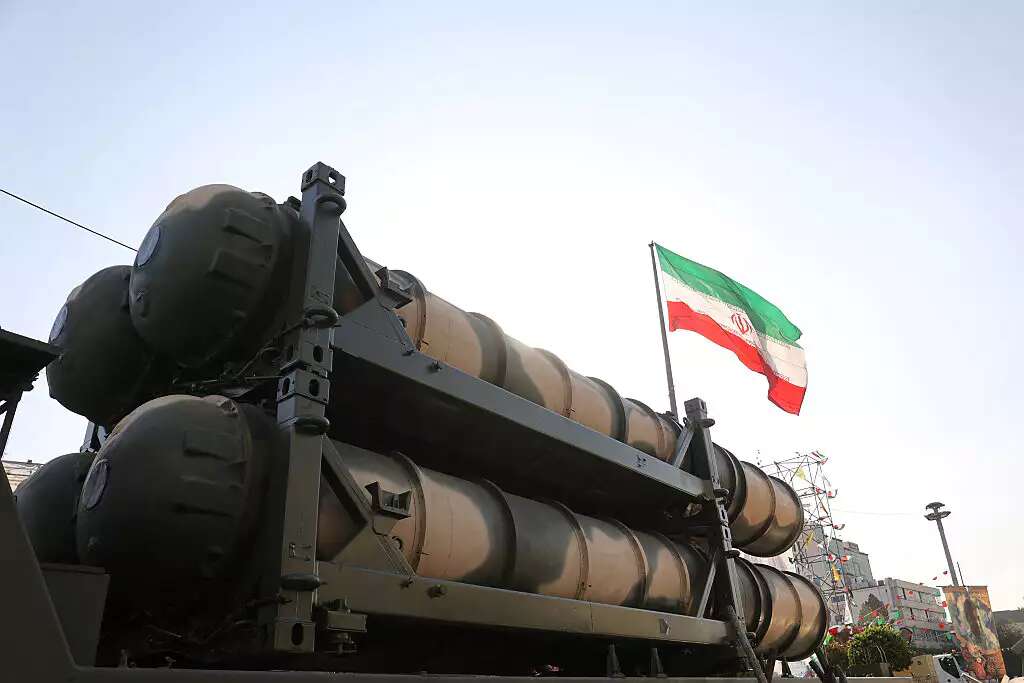
S-300 air defense system in Iran. Photo: AP

As a result, until Iran manages to restore its missile production capabilities, it is expected to adopt a more conservative policy regarding its long-range missile launches. While estimates indicate that Iran still holds several hundred long-range missiles that it could launch at Israel, it is unlikely to do so all at once, as the rate of fire also depends on the number of launchers at its disposal.

Moreover, Iran's decision-making factors must account for the fact that Israel's strike on Iran's advanced air defense systems has left the country nearly exposed to another potential Israeli attack. It is likely that the Iranian regime understands Israel still has an extensive target bank within Iran, including oil reserves and, naturally, its nuclear sites.
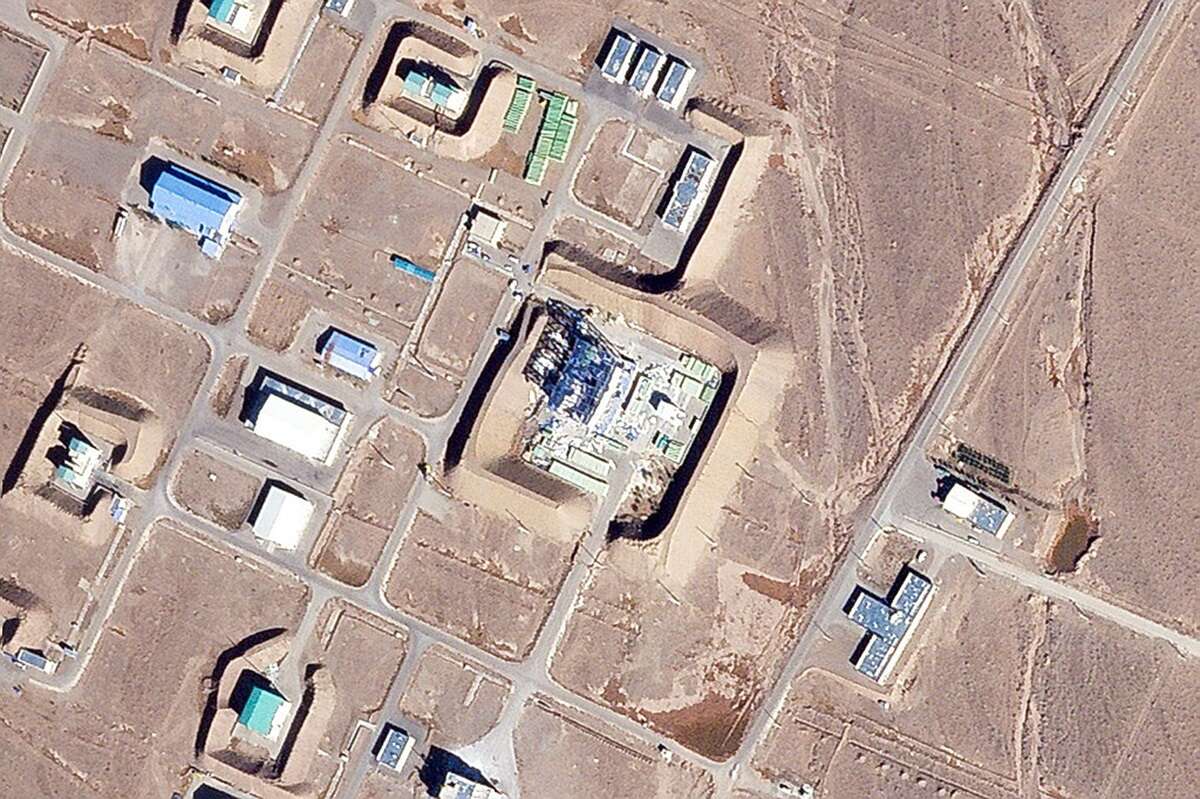
This satellite photo from Planet Labs PBC shows a damaged large building at the Revolutionary Guard's Shahroud Space Center in Semnan province, Iran, Tuesday Oct. 29, 2024 | Photo: AP/Planet Labs PBC AP

According to Israeli assessments, Iran could technically reach nuclear breakout capability within weeks, though it has yet to make a final decision to do so and is proceeding cautiously. As is known, Tehran measures its deterrence against Israel not only in Hebrew but primarily in English. Assuming Trump lives up to the expectations placed on him by Israel's government, his term could provide an opportunity to confront Iran's nuclear threat—whether through military action or a credible military threat by Israel and the US that would pressure Tehran's regime to change course.

Tags: IranIsrael

Related Posts

From Hamas prisoner to militia leader: The Palestinian collaborating with IsraelArab Networks

Gaza militia leader Yasser Abu Shabab killed

by Hodaya Busheri and Lidor Sultan

Abu Shabab, who established an independent Gazan militia and opposed Hamas rule, was critically wounded in an assassination attempt and...

Israel-Lebanon agreement may turn into strategic trap

In first ever civilian talks, Israel and Lebanon confront Hezbollah's grip

by Danny Zaken

Civilian representatives from Israel and Lebanon met for the first time in US-mediated discussions aimed at advancing economic cooperation. The...

The story of Staff Sgt. Ran Gvili, the last hostage in Gaza

The story of Staff Sgt. Ran Gvili, the last hostage in Gaza

by ILH Staff

790 days after the deadliest massacre in Israel’s history, which led to the abduction of hundreds of civilians, Staff Sgt....

Menu

Analysis 

Archaeology

Blogpost

Business & Finance

Culture

Exclusive

Explainer

Environment


Features

Health

In Brief

Jewish World

Judea and Samaria

Lifestyle

Cyber & Internet

Sports


Diplomacy 

Iran & The Gulf

Gaza Strip

Politics

Shopping

Terms of use

Privacy Policy

Submissions

Contact Us

About Us

The first issue of Israel Hayom appeared on July 30, 2007. Israel Hayom was founded on the belief that the Israeli public deserves better, more balanced and more accurate journalism. Journalism that speaks, not shouts. Journalism of a different kind. And free of charge.

All rights reserved to Israel Hayom

Hosted by sPD.co.il

  • Home
  • News
    • Israel at War
    • Israel
    • United States
    • Middle East
    • Sports
  • Opinions
  • Jewish World
    • Archaeology
    • Antisemitism
  • Lifestyle
    • Food
    • Travel
    • Fashion
    • Culture
  • Magazine
    • Feature
    • Analysis
    • Explainer
    • Environment & Wildlife
    • Health & Wellness
  • In Memoriam
  • Subscribe to Newsletter
  • Submit your opinion
  • Terms and conditions

All rights reserved to Israel Hayom

Hosted by sPD.co.il

Newsletter

[contact-form-7 id=”508379″ html_id=”isrh_form_Newsletter_en” title=”newsletter_subscribe”]

  • Home
  • News
    • Israel at War
    • Israel
    • United States
    • Middle East
    • Sports
  • Opinions
  • Jewish World
    • Archaeology
    • Antisemitism
  • Lifestyle
    • Food
    • Travel
    • Fashion
    • Culture
  • Magazine
    • Feature
    • Analysis
    • Explainer
    • Environment & Wildlife
    • Health & Wellness
  • In Memoriam
  • Subscribe to Newsletter
  • Submit your opinion
  • Terms and conditions

All rights reserved to Israel Hayom

Hosted by sPD.co.il