

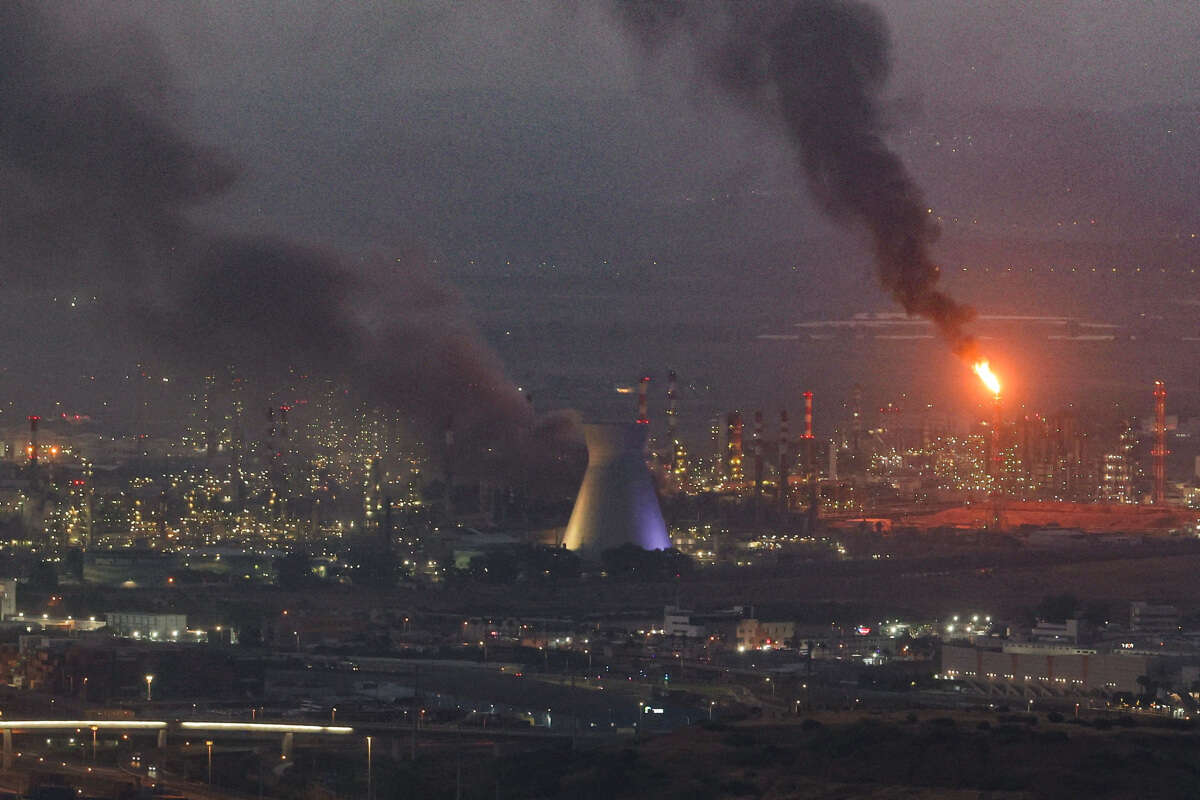
The Iranian missile that struck Israel during Operation Rising Lion delivered a harsh lesson about the vulnerability of national infrastructure facilities scattered across the country. The June 16 pre-dawn attack on the Bazan oil refinery killed three people and forced the complete shutdown of critical energy production capabilities.
The missile strike caused significant damage to power facilities, pipelines and energy infrastructure, prompting Bazan officials to announce complete facility closure with gradual reopening expected within several months. Three individuals, believed to have been in an interior room, died and were trapped in the rubble and flames that erupted at the site.
In the immediate hours following the Bazan strike, military censors attempted to prevent publication of the impact location to avoid helping Iranian forces calibrate their targeting and attempt strikes on additional important facilities in the region. However, after footage of the direct hit was broadcast on Al-Jazeera, censorship officials realized the information had already been exposed and could no longer prevent disclosure of the strike location.
Video: The Iranian strike on Haifa's Bazan oil refinery
The severe damage to the Bazan facility highlighted the human and national cost of maintaining the refinery's location in the heart of the population, transforming what was once a theoretical risk into a demonstrated reality. Israel maintains a comprehensive plan for constructing underground sites for all refineries, designed to improve protection and provide Israel with redundancy and backup options in case of strikes.
However, the plan involves exceptionally high costs and is not currently being advanced. Officials can only hope this program, or other initiatives reducing the threat, will be promoted before it is too late.
Preferred target for enemies
Throughout Israel, dozens of national infrastructure sites exist, including power generation and transmission stations, petrochemical plants, gas platforms and stations for receiving gas from the sea. The locations of many of these facilities are known, along with their bottlenecks and sensitive points.
The list of Israel's critical national infrastructure remains classified, determined by the Strategic Infrastructure Protection Committee under the National Emergency Managment Authority with participation from security system representatives and relevant government ministry officials.
During the war, Israeli officials repeatedly claimed that Iranians do not refrain from any means and target civilian objectives as well. However, there is no doubt they aimed at security installations and national infrastructure like Bazan, where strikes could have led to severe disaster and paralysis of national systems in Israel.
Security officials have long understood that these national infrastructure facilities would be a preferred target for Israel's enemies, including Iran and Hezbollah. Consequently, recent years have seen efforts to classify these facilities according to importance and priority order, building plans to find solutions for protecting them during emergencies or at minimum preparing them for operational continuity given strikes on their components.
Each site defined as national infrastructure receives a tailored emergency protection package according to its importance and location. The protection package includes enhanced air defense, ground protection and, when necessary, creating redundancy, reserves, alternative sites, spare parts distribution in various locations and more.
Moral and political obligation
As we witnessed during Operation Rising Lion, despite preparations and air defense reinforcement, sensitive sites like Bazan and bases throughout the country were still struck.
The Israeli air defense system, with American assistance, achieved 86% interception success. However, when dealing with long-range surface-to-surface missiles, even a single missile strike can be lethal and cause enormous damage.
Therefore, from the time of establishment, every national infrastructure facility must receive a license from Home Front Command, which examines it and approves protection plans.
For example, the possibility is examined to disconnect a damaged pipeline to prevent total system ignition. Staff at the plant or site must know emergency procedures, and all police stations, Magen David Adom and fire departments must be familiar with sensitive sites in their areas to know how to treat them during strikes.
One of the most important national infrastructure systems is Israel Electric Corporation, which according to security sources made a dramatic change in emergency preparedness during the past two years.
Under the guidance of CEO Meir Spiegler, Israel Electric Corporation built an emergency plan that increased diesel fuel reserves for emergencies, purchased spare parts distributed in various locations throughout the country and built redundancy and backup capabilities. According to assessments, the series of measures reduced system recovery time by approximately 50% in case of strike.
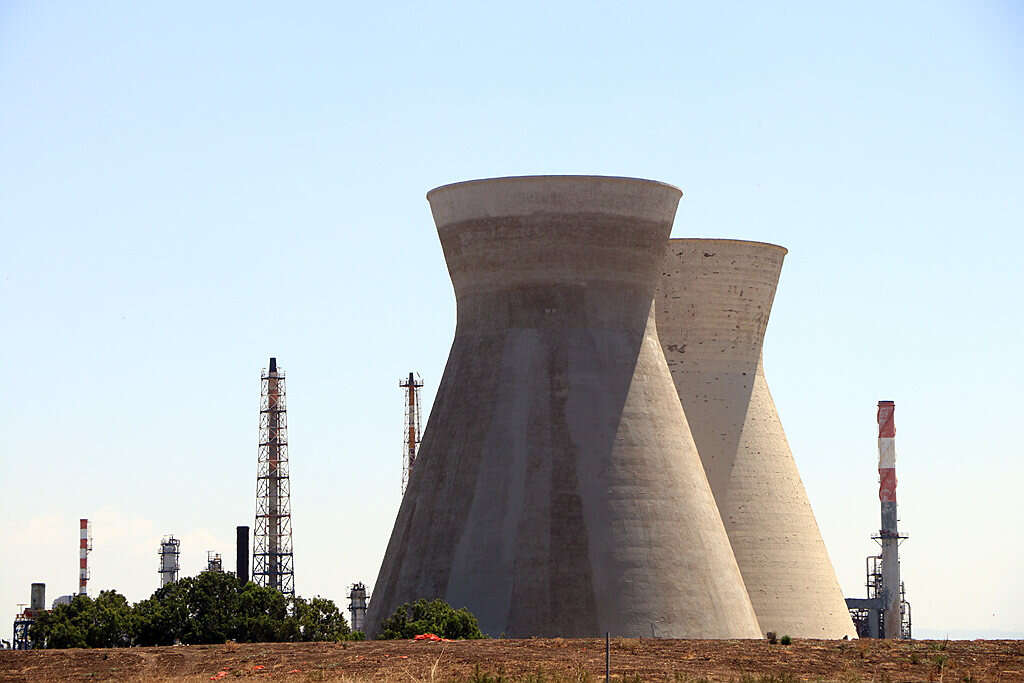
Regarding Haifa Bay, it is no secret that area residents have demanded for years to relocate plants with hazardous materials from their territory. According to their claims, security and public concerns outweigh economic considerations, representing a moral and political obligation to prevent the next disaster.


