


Major diplomatic progress between Israel and Damascus looks set to materialize within the coming month. US Strategic Affairs Minister Ron Dermer held talks with Syrian Foreign Minister Assad Shaibani in Paris on Tuesday. US Special Envoy Tom Barak mediated the meeting while also conferring with Sheikh Muwafaq Tarif.
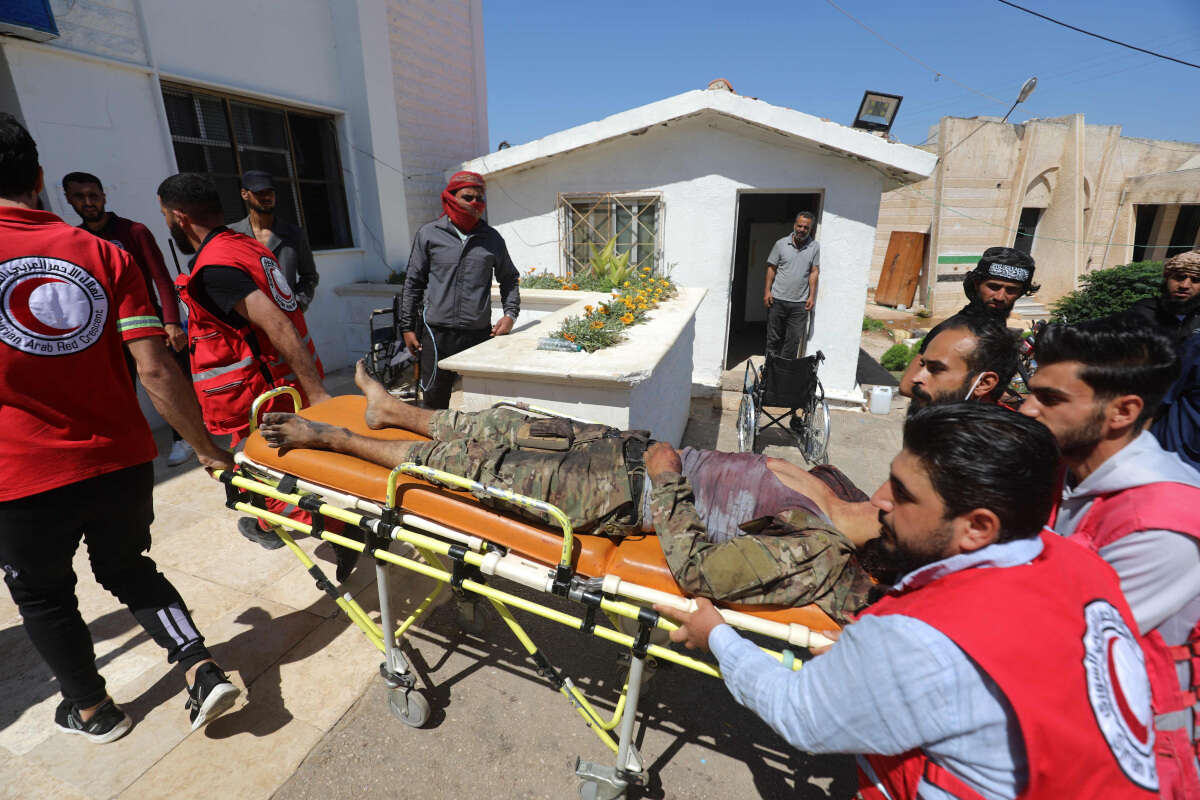
Tarif exposed the dire situation facing the Druze population in southern Syria and asked the Americans to create and monitor a humanitarian corridor to As-Suwayda – seeking not just to aid those affected but to safeguard the community's members. The discussion was viewed as an extraordinary diplomatic maneuver. Tarif has strong connections with Syria's separatist faction, led by Hikmat al-Hijri, which promotes the concept of Druze independence from Ahmed al-Sharaa's central authority, even as the Trump administration ostensibly fosters closer ties with Damascus.
Yet countering the Druze separatist aspirations, Syria is developing an alternative narrative centered on preserving the nation's territorial integrity. Remarkably, Syrian media outlets disclosed Foreign Minister Shaibani's encounter "with an Israeli delegation," whereas previously such meetings would have been denied or ignored entirely. The key to understanding the developing accord between Israel and Syria lies in grasping al-Sharaa's evolution.
The former jihadist aligned with al-Qaida has transformed into an internationally recognized leader. TIME magazine named al-Sharaa among its 100 most influential figures globally for 2025, while Presidents Macron and Trump have offered praise and diplomatic embraces. This matters significantly, as international legitimacy serves as a crucial instrument for securing domestic acceptance. Al-Sharaa understands his tenuous grip on a Syrian state fractured and depleted by 14 years of civil conflict. Consequently, global recognition paired with economic assistance could bolster his domestic political standing, deliver stability and security, and enable him to bridge Syria's internal societal divisions.
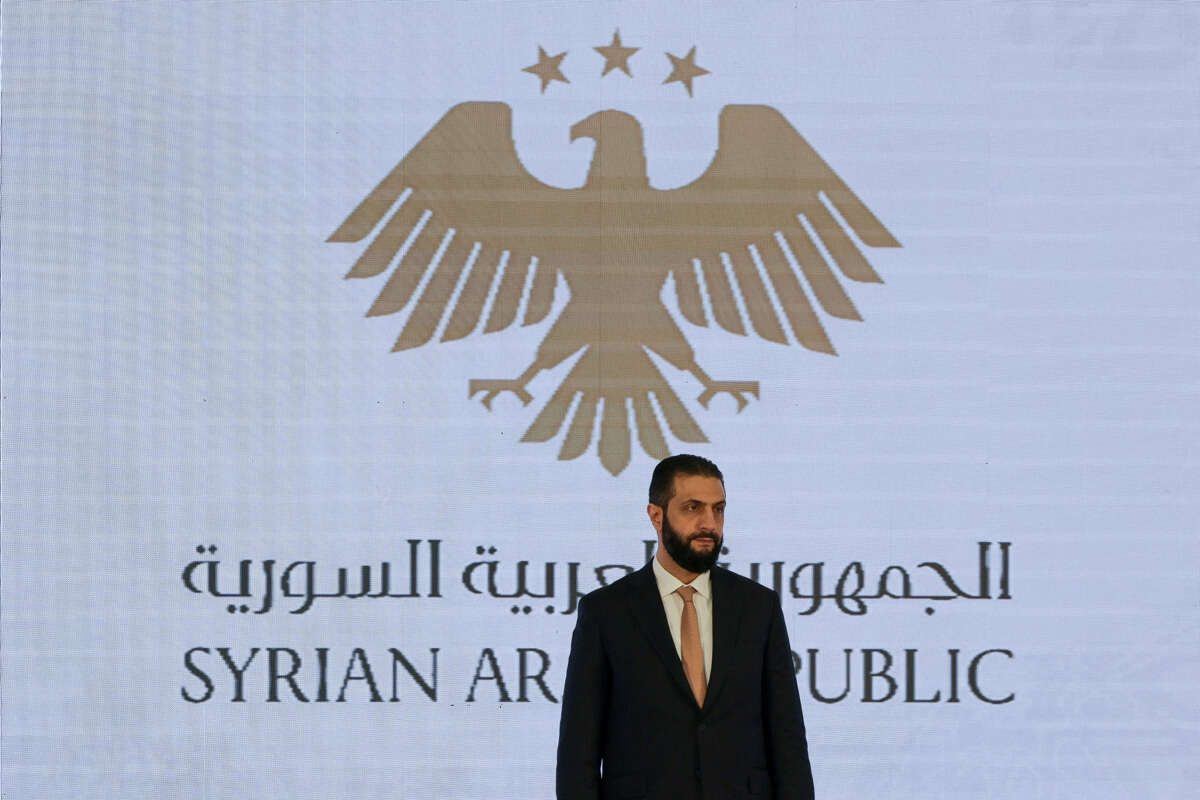
Tuesday's Paris discussions between Shaibani and Dermer perfectly demonstrate this dynamic – establishing his authority requires al-Sharaa to assert sovereignty throughout Syria, making an accord with Israel a vital move forward. Israel's withdrawal from territories occupied following Assad's collapse, coupled with a blueprint for protecting the Druze community's security, would represent a massive victory for al-Sharaa while establishing Syria as a reliable regional actor.
Furthermore, al-Sharaa will give his inaugural address as Syria's president at the UN podium on September 24, culminating his image transformation. Israel and Syria are expected to sign their ceasefire agreement the next day, with the entire initiative's pinnacle being a potential summit between Prime Minister Netanyahu and President al-Sharaa at the UN gathering.
This move would conclusively confirm the political metamorphosis that Syria, specifically, and the broader Middle East have experienced since December – al-Sharaa would gain legitimacy not just from Europeans and Americans, but also from Israel, opening the path to reconfigure Jerusalem-Damascus ties and potentially transform the whole region.


