

Hamas' top leadership gathered in Doha, the Qatari capital, on September 9, 2025, to discuss a hostage release deal initiated by US President Donald Trump. It was a rare and critical moment in which the organization's senior figures sat together in the same room. Among those present were Khalil al-Hayya, Hamas' top-ranking official; Zaher Jabarin, the group's "finance minister" responsible for managing its funding networks; Khaled Mashal, head of Hamas' political bureau abroad; and Mohammed Darwish, chairman of Hamas' Shura Council, its supreme body overseeing strategic decision-making.
Israel chose to seize the opportunity and carry out a targeted killing, one of its most important counterterrorism tools, designed to strike identified individuals without inflicting massivecollateral damage, unlike widespread bombing of terrorist infrastructure that can also harm civilians.

Targeted killings aim to disrupt the terrorism equation - in both capability and motivation. A successful strike changes the rules of the game, removes terrorists who plan and execute attacks, and forces others into hiding, prioritizing survival over action. This reduces both their ability and desire to carry out attacks.
This time, however, reports suggest that despite the precision and preparations, the Doha strike likely failed. The senior officials apparently escaped unharmed, leaving the threat to Israeli civilians intact. Israeli discussions point to two possible explanations: either unsuitable munitions were used, or the leaders moved to another part of the building before the strike. Even in the second case, heavier munitions would likely have produced a different result.
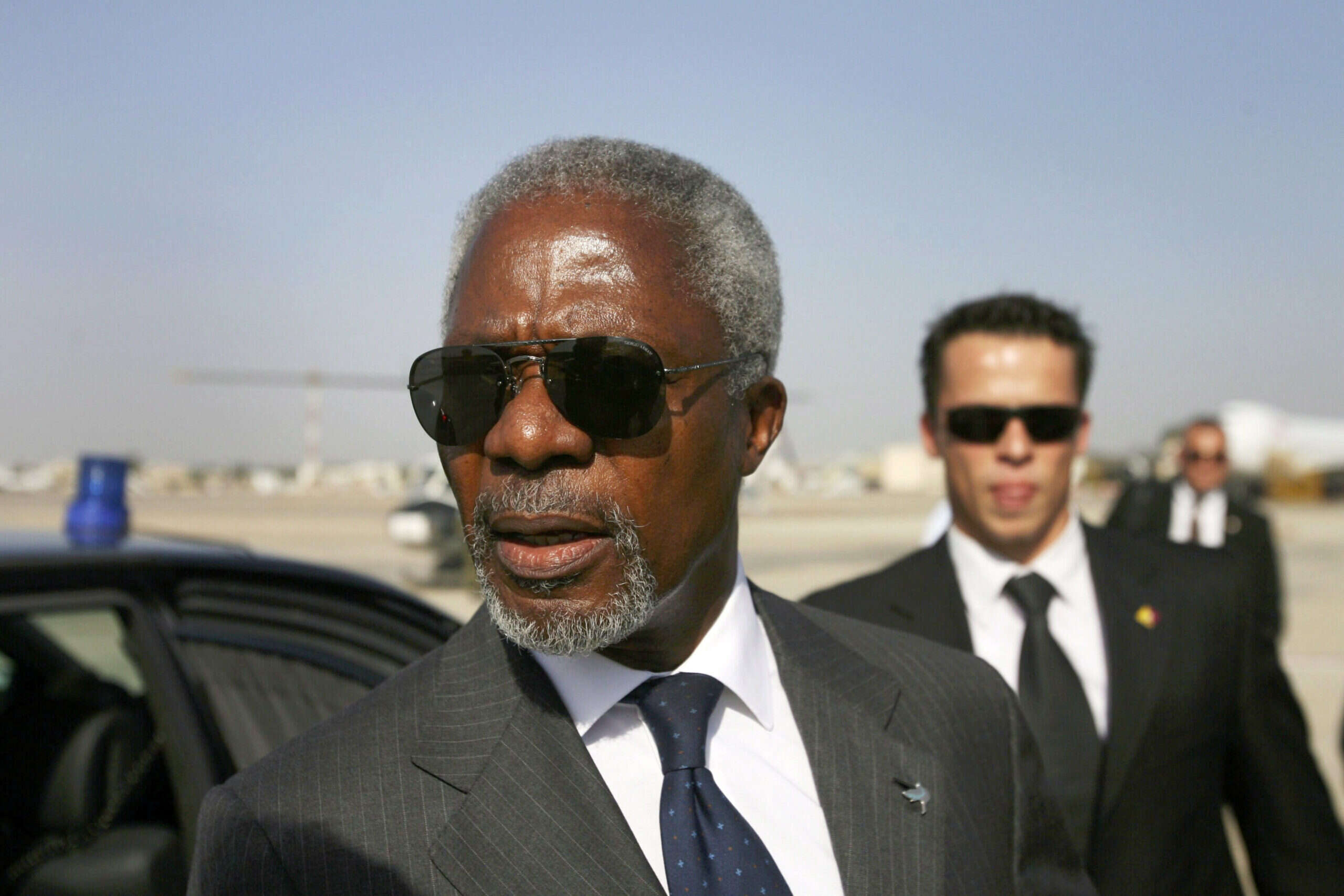
Since the 2002 assassination of Salah Shehadeh, then commander of Hamas' Izz ad-Din al-Qassam Brigades, Israel has exercised greater caution to avoid excessive force and civilian casualties. In that operation, a one-ton bomb was dropped on a Gaza building, killing Shehadeh and his aide, but also more than 10 civilians, including women and children, while injuring dozens more. The strike drew fierce international condemnation and moral criticism. Then-UN Secretary-General Kofi Annan declared, "Israel, with its moral standards, must do everything possible to avoid harming innocents, and it clearly failed when a plane bombed a residential building."
This encapsulates Israel's dilemma: how to balance morality with military effectiveness. That lesson underscored the importance of carefully selecting methods and munitions in counterterrorism operations. In 2003, for example, a smaller bomb was dropped during a rare meeting of Hamas leaders - including Sheikh Ahmed Yassin, Ismail Haniyeh, Mohammed Deif, and others - similar to the Doha gathering. Yet that caution came at the cost of operational failure. The leaders survived and later continued orchestrating terrorist attacks, including the October 7 massacre that killed thousands of Israelis. The dilemma remains: use larger munitions and succeed operationally but suffer morally, or use smaller munitions that minimize civilian casualties but risk failure.
Returning to Doha: beyond the likely operational failure, Israel also paid a steep diplomatic price. President Trump distanced himself from the strike, clarifying that Washington had not been informed beforehand. Other Western leaders, including French President Emmanuel Macron, British Prime Minister Keir Starmer, German Foreign Minister Johann Woodpfuhl, and even the pope, criticized Israel. What was meant to bolster Israeli security instead became a cause for diplomatic isolation.

The lesson is clear: such a failure is not just a fleeting operational event but a potential strategic threat. It leaves Hamas leadership intact, grants the organization temporary immunity, weakens Israel's deterrence, and erodes its international standing. Israel's challenge is not merely deciding which target to strike or which munitions to use but shaping a counterterrorism policy that maintains basic moral principles while producing clear, deterrent results. Only such a combination can prevent a tactical miss from evolving into a long-term strategic danger.
Dr. Liram Koblentz-Stenzler a scholar and practitioner with a wealth of experience in fields of counterterrorism, antisemitism studies and global far-right Extremism. She is senior researcher and head of the Antisemitism & Global Far Right Extremism Desk at the International Institute for Counter-Terrorism (ICT), Reichman University, Israel and lecturer at Yale University.


