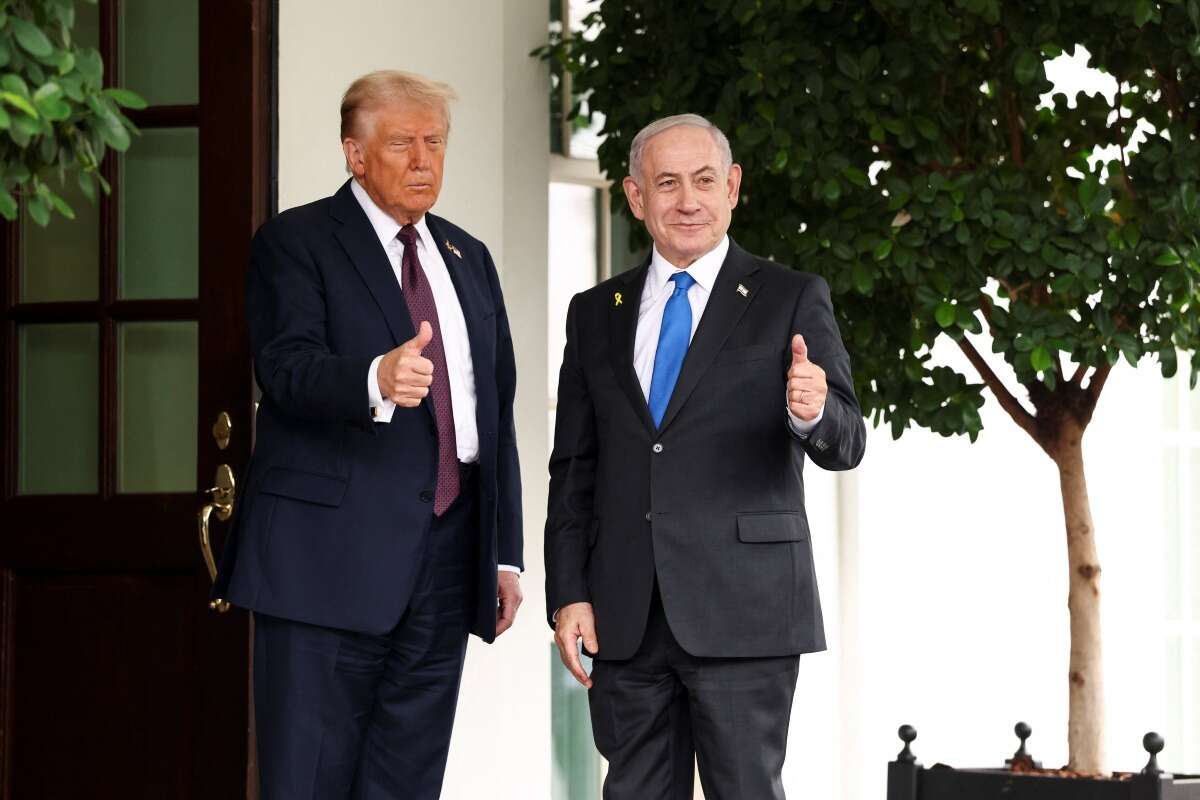
Netanyahu presented broader terms than Hamas is expected to put forward, according to senior officials in Jerusalem and abroad, after the US unveiled its proposal for ending the war in Gaza. Once again, while Israel moved quickly to align with the American formula and announced its consent on Sunday night, the terrorist organization has not yet given its answer. Qatar has been pressing Hamas to finally say "yes." Over the past 24 hours, Netanyahu and members of his inner circle have been in constant contact with coalition partners to calm concerns stirred by the leaks.
A Likud official explained even before the plan was published that Netanyahu's problem was not Ben-Gvir and Smotrich, who would never accept a Palestinian state. The challenge now, with the release of an ambiguous formula, is convincing ministers that this is nothing more than rhetoric. As he put it, for decades Palestinians have failed to abandon their dream of driving the Jews into the sea. What's different this time is that the goal is simply to buy time, a political maneuver.
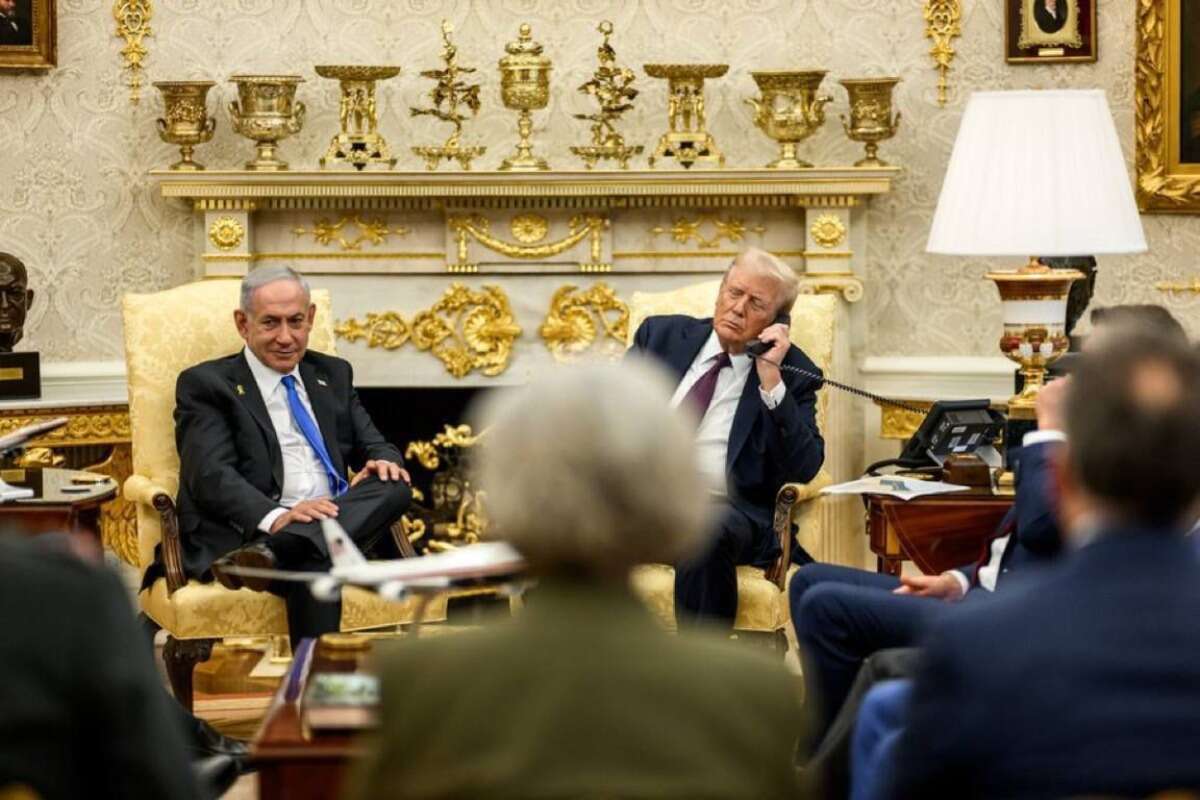
During his meetings in the US, Netanyahu was careful to present himself as a statesman balancing domestic political pressures with the growing international isolation caused by the length of the war. Israel, he stressed, cannot afford to alienate its strongest — and at this point only significant — ally. This need for maneuvering was something he explained to settler leaders as well, comparing it to a military tactic. Just as he withstood pressure from former US president Barack Obama while settlement activity flourished, Netanyahu told them, the current struggle should be viewed as another necessary stage in a long campaign.
The only firm promise the settler leaders left with was that no Palestinian state would be created. When asked what the alternative would be, they offered no answer.
"[The prime minister] is making enormous efforts and coming with a lot of goodwill to his meetings with the president," Netanyahu's entourage said Monday night, adding that the more decisive day had actually been Sunday, during his meetings with billionaire Andy Vitek and presidential adviser Jared Kushner. That day, the initial framework presented by US President Donald Trump was adjusted in line with Israeli requests, and as meetings continued the two sides drew closer. The tension that had marked Netanyahu's first days in the US gave way to another kind of pressure: the constant effort to bring the sides closer so that Trump would be satisfied while Israel did not lose out.
Qatari involvement in the run-up to the deal was evident all week, a senior Israeli official admitted Monday, despite Netanyahu's repeated denials. The White House, for its part, made no effort to hide the close coordination, highlighting frequent calls between Trump and Qatar's emir both before and after the Netanyahu meeting. "Netanyahu understands this and therefore has been very cautious in his statements regarding Qatar," the official added. When Netanyahu was later pressed to issue an apology to the emir, his aides described it as another necessary maneuver to advance the deal and keep Trump on his side.
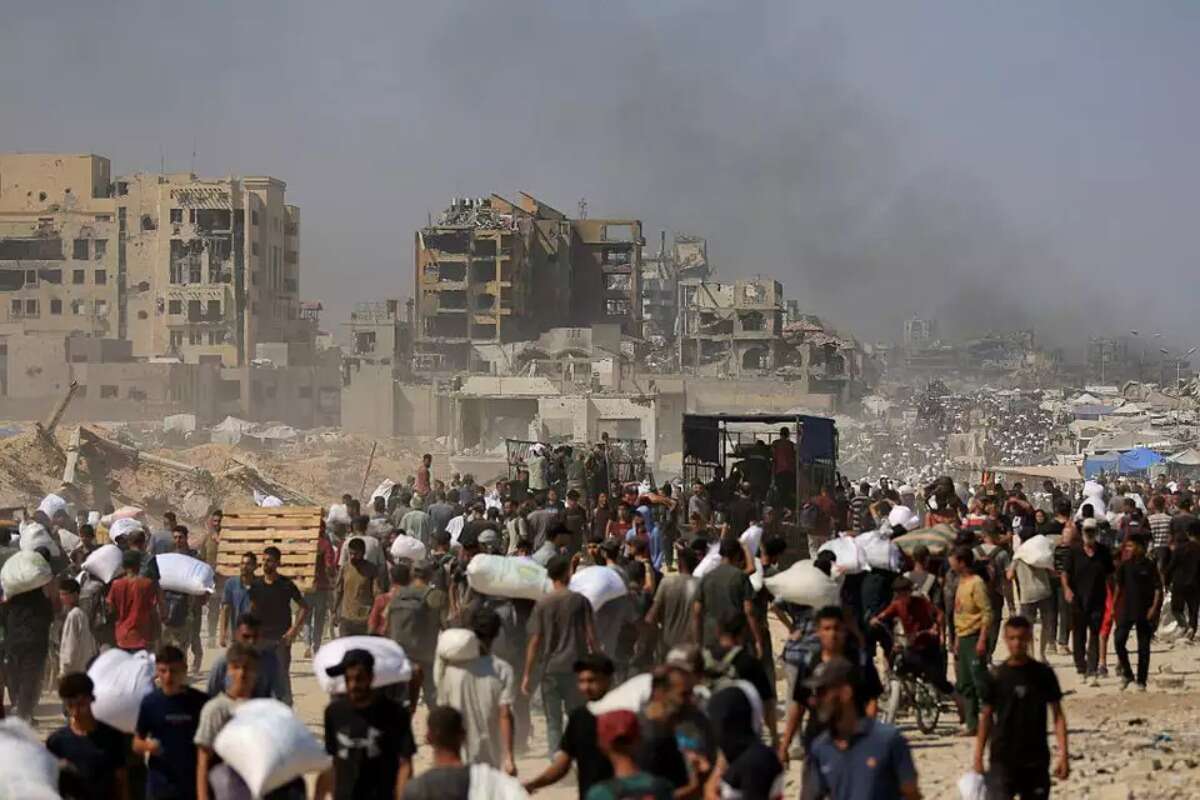
What left a bitter taste was the sight of the Israeli prime minister apologizing, however reluctantly, to Hamas' main sponsor: Qatar. Yet the real cost will be far higher than rhetoric from any politician. If Hamas accepts the deal, Israel will regain its hostages quickly, but at the heavy price of releasing hundreds of convicted murderers serving life sentences, along with hundreds of other terrorists who would return to the field. Hamas would gain a major boost, both from its fighters and from those indebted to it for their freedom. As Israeli security officials have warned, releasing them into the West Bank and Jerusalem could ignite violence that the defense establishment would need to prepare for.
The questions of Israel's military control over Gaza and the demilitarization of the Strip were left vague in the published framework. For residents of the Gaza border area, these two lines were deeply disappointing. They had hoped for a different outcome this time, not just another round of fighting followed by temporary calm.
Still, Trump's stated commitment to taking Gaza on as his own project and enabling the emigration of its residents abroad was described by some as the fulfillment of a long-held Israeli dream, if it could indeed be achieved. Could Gaza stop producing terrorism and start exporting high-tech?
The memory of the 2005 disengagement has not faded, and the new formula recalls the late Shimon Peres' visions of a "Singapore of the Middle East." Will Palestinians truly change course for a better future? Optimism cannot be a policy plan.