

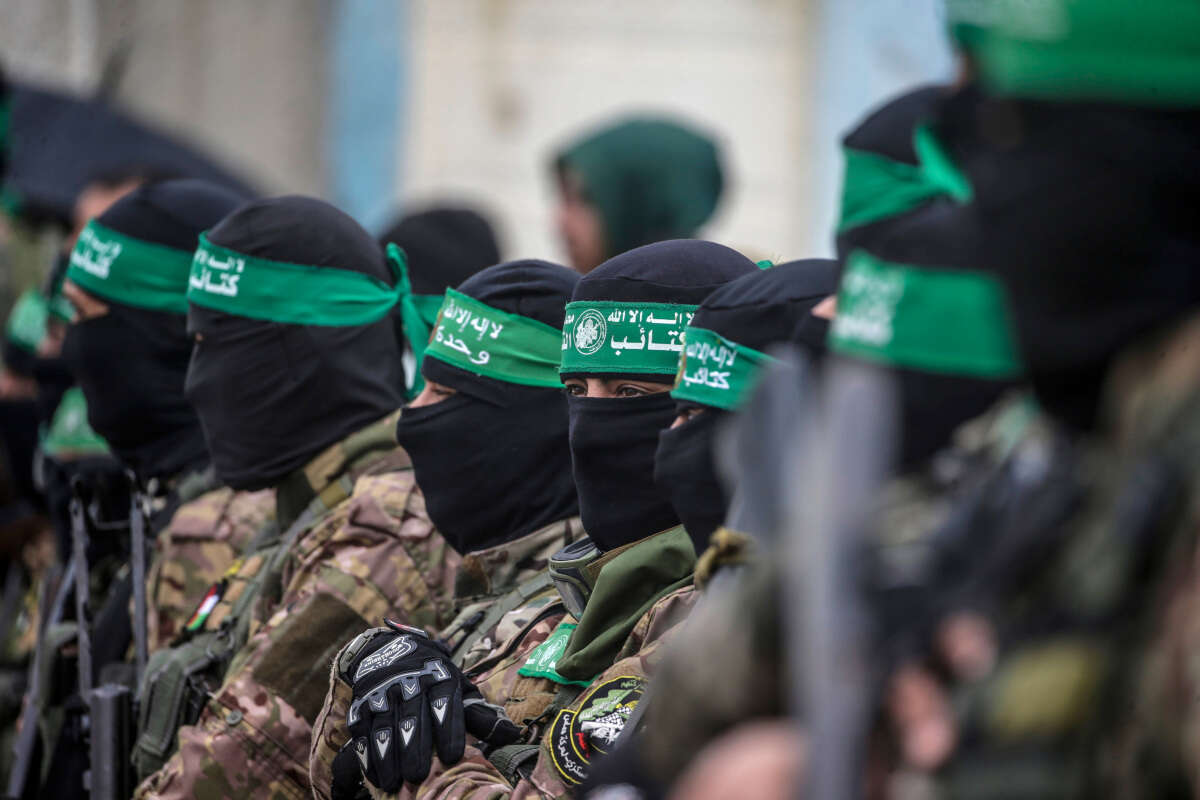
For the first time in two years, Israelis and Palestinians can finally breathe. A 20-point peace plan has shifted the balance: major Arab states, Israel's leaders, and Western capitals are united behind terms that would demilitarize Gaza and return the hostages, but only if the world doesn't lose its nerve and continues to keep Hamas trapped.
According to the map shared by the president, the IDF would withdraw to what he showed was an initial "yellow" perimeter line (which still covers most of Gaza). After the agreement, the ceasefire would begin immediately, all hostages would be returned within 72 hours, and any further IDF withdrawal from Gaza would be dependent on Hamas disarming. Yes, this does sound almost unbelievable, and Hamas would surely dislike these terms; yet, based on Prime Minister Benjamin Netanyahu's recent speech, he appears absolutely certain the deal will happen. If it comes through, all 48 hostages will be back in Israel by the end of the Jewish holiday of Sukkot.
So why would Hamas agree? Shortly after the deal was presented, Hamas announced it would release all the hostages and enter talks, of course with its own conditions and revisions attached. The key sticking points on the group's agenda will likely be the prisoner-hostage exchange terms, the transfer of Gaza's administration, and future governance arrangements. Despite what the deal stipulates, Hamas clearly wants to remain involved in Gaza's future.
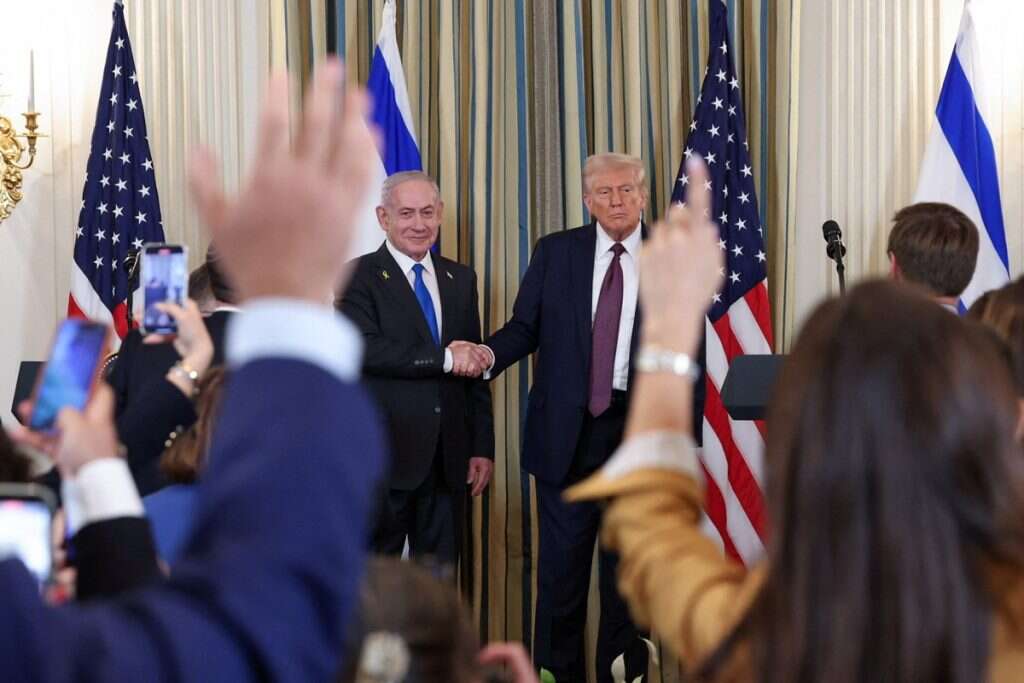
Many details remain uncertain, but one development that gives Israelis some hope is that, for the first time in two years, the United States (backed by the international community) has begun treating Hamas as terrorists rather than as a legitimate negotiating partner. The group has been backed into a corner to accept the deal "or else." In his speech, President Trump made clear that Israel has his full backing to continue the war should Hamas reject the terms. The group must accept the deal; otherwise, "all options are on the table." For once, international pressure is focused on forcing Hamas to agree, and two of its major backers, Turkey and Qatar, are now demanding and applying pressure on it to do so.
This is how you force Hamas's hand, and it is how the international community should have dealt with these terrorists from day one. Until now, Hamas operated under the belief that by repeatedly rejecting ceasefire offers, by holding out a little longer, by allowing more Palestinians to die and more propaganda videos of emaciated hostages to circulate, and by prompting violent domestic protests in the West, the international community would increase pressure on Israel to capitulate. Until now, that strategy worked.
But the leaders have made clear that the group has no more cards to play. Netanyahu has accepted Trump's plan; Israeli opposition leaders support the plan (even Yair Golan, one of Netanyahu's fiercest critics, said only someone who hates Israel would oppose it); the Arab world (including Saudi Arabia, the UAE, Qatar, and Turkey) supports the plan; and Western nations, including those that recognized a Palestinian state, have also backed it. Hamas's rejection of this plan would expose, once and for all, that it has no real interest in peace, freedom, or the well-being of Palestinians. It would show what we've known all along, that the group is only interested in prolonging suffering to preserve its own power. What is deeply frustrating is that, had this been done earlier, many lives could have been spared.
Finally, something very crucial about this plan is that it offers a serious vision for what the "day after" in Gaza can look like. Commentators across the political spectrum say this plan provides a complex, nuanced framework we have lacked for two years. Many of its details align with Israel's security objectives and address the grievances that contributed to the October 7 attacks; there is a real possibility this plan could end the war. It appears to be the best deal for Israel: demilitarizing Hamas in the Gaza Strip, securing the release of the hostages, and establishing an alternative form of governance in Gaza. What satisfies many observers is that the deal does not bow to the demands of Israel's far right on annexation and displacement, and it would restore the legitimacy of Israel's position if Hamas rejects the ceasefire.
The international community cannot lose its nerve now. For the first time since October 7, the balance of power has shifted in the right direction, not through appeasement or empty rhetoric, but through unified, unwavering pressure on Hamas to lay down its weapons or face the consequences alone. This is the moment to keep them cornered, to hold firm, and not let the group manipulate global sympathy or exploit Palestinian suffering yet again. If the world stands united and refuses to back down, Hamas will finally be forced to confront the consequences of its own brutality. The people of Gaza deserve a future free from their rule, and the people of Israel deserve lasting security. This time, the world must finish what it started.


